
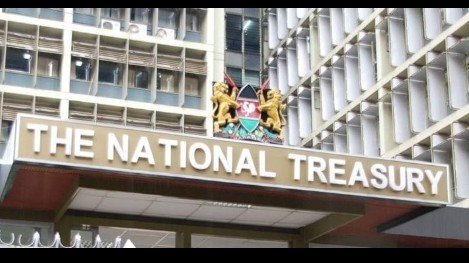

Members of Parliament have ordered the National Treasury to return to the negotiating table regarding the multi-billion shilling sale of government shares in Safaricom to South Africa-based Vodacom Group. The directive centers on the entitlement of dividends during the transition period of the divestiture.
Under the current framework of the KSh 204 billion transaction, the government is set to offload a 15 percent stake in the telecommunications giant. This move would reduce the state's shareholding from 35 percent to 20 percent. However, lawmakers are now insisting that the state must continue to receive dividends based on its original 35 percent ownership until the moment the deal is finalized, rather than transitioning prematurely to the 20 percent rate.
The demand follows intense scrutiny by a joint sitting of the Departmental Committee on Finance and National Planning and the Select Committee on Public Debt and Privatisation. Legislators argued that the current agreement, which includes an upfront payment of KSh 40.2 billion for future dividend rights, requires further review to ensure the public interest is fully protected.
Treasury Cabinet Secretary John Mbadi has previously defended the sale, noting that the proceeds are earmarked for the National Infrastructure Fund. The government intends to use the capital to finance major public investment projects, including roads and energy infrastructure, without further increasing the national debt.
Despite the Treasury's position that the negotiated price of KSh 34 per share represents a significant premium over the market rate, some MPs have raised concerns on valuation. Critics within the house suggested the deal might undervalue the company, given Safaricom’s dominant position in the regional mobile money and data sectors.
The proposed sale would give Vodacom effective control of Safaricom by increasing its stake to 55 percent. Currently, the South African firm holds a 39.9 percent interest through Vodafone Kenya. The National Treasury maintains that shifting capital into a dedicated infrastructure fund will yield higher long-term value for the country than holding the equity.
As the committees move to finalize their report for the full house, the outcome of these renegotiations will determine the timing of the funds' arrival for the National Infrastructure Fund. The Treasury now faces the task of addressing the legislative demands for a larger dividend share before the final transfer of ownership can proceed.
Comments (0)
Leave a Comment
No comments yet. Be the first to share your thoughts!