
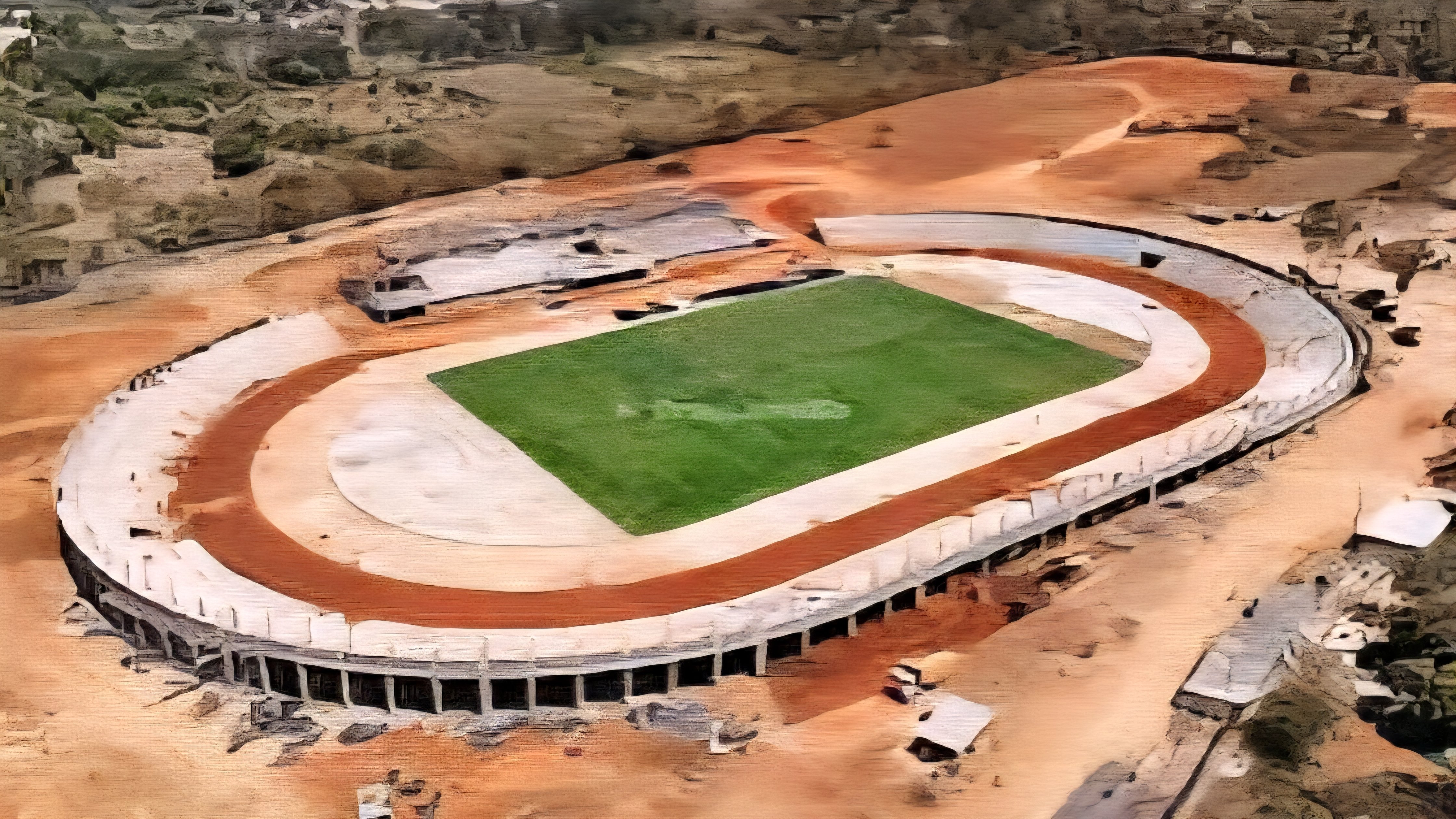

The Kenyan government has initiated the construction of the Wajir Stadium in the northeastern region, a project valued at Sh900 million. During a recent visit to the area, President William Ruto commissioned the works with a directive that the facility be ready to host the Madaraka Day celebrations in June. This timeline gives contractors less than four months to deliver a functional sporting venue, raising questions regarding the feasibility and long-term quality of such rapid infrastructure delivery.
The development in Wajir is part of a broader strategy to decentralize national holiday celebrations, but it comes at a time when the Auditor General has flagged serious procedural lapses in similar projects. The push for sporting facilities has often been characterized by ambitious timelines and high-budget allocations. In addition to the Wajir project, the President promised a similar Sh900 million facility for Mandera, which is expected to be completed by December for the Jamhuri Day festivities.
A recent report from the Auditor General concerning the Kericho Green Stadium, now known as Kiprugut Chumo Stadium, provides a sobering look at the risks associated with accelerated construction schedules. The refurbishment of the Kericho facility, which cost Sh483 million, was fast-tracked to host the 2023 Mashujaa Day celebrations. According to the audit, the contract for the works was officially awarded on September 4, 2023. However, the contractor had already issued a letter of acceptance nearly three weeks earlier, on August 14.
Further scrutiny by the auditor revealed that the contractor only registered with the National Construction Authority on July 29, 2023. This registration occurred ten days after the firm had already begun interacting with Sports Kenya and submitting design proposals for the site. By the time the contract was formally signed, the procuring entity reported that the project had already reached 50 percent completion, prompting an immediate demand for a part payment of Sh183 million. The Auditor General noted that such sequences suggest works began well before legal contracts were in place, rendering the expenditure irregular.
The trend of "miracle" construction timelines is not limited to Kericho. In Embu, the Moi Stadium was subjected to a four-month marathon build to host national celebrations last year. Reports now indicate that despite the rush, the facility remains incomplete months after the event has passed, and the site has largely been deserted. Similarly, in Kericho, the running track is reportedly already chipping, casting doubt on the durability of works completed under extreme time pressure.
There is a growing concern among industry observers regarding the role of the Kenya Defense Forces in these projects. By instructing the military and the parent ministry to execute these works, critics argue that the government may be bypassing the rigorous accountability and transparency demands usually placed on the sports departments. The use of KDF in civilian infrastructure is often justified by speed, but the lack of traditional oversight can lead to "boardroom deals" that inconvenience the established bureaucracy of public procurement.
As the Wajir Stadium project moves forward, the pressure to meet the June deadline will be immense. History suggests that while the structures might be ready for the television cameras on a national holiday, the technical standards often suffer. For a region facing harsh climatic conditions and significant livelihood challenges, the investment of nearly a billion shillings into a single stadium requires a level of transparency that the Auditor General suggests has been missing in previous endeavors.
The balance between political promises and engineering reality remains thin. While the Talanta Stadium in Nairobi appears to be progressing according to plan, the recurring issues of chipping tracks and abandoned sites in the counties suggest a need for a shift in strategy. Professional journalism and public oversight will continue to monitor whether Wajir becomes a functional sporting asset or another entry in the list of projects where procurement laws were secondary to political timelines.
Comments (0)
Leave a Comment
No comments yet. Be the first to share your thoughts!