
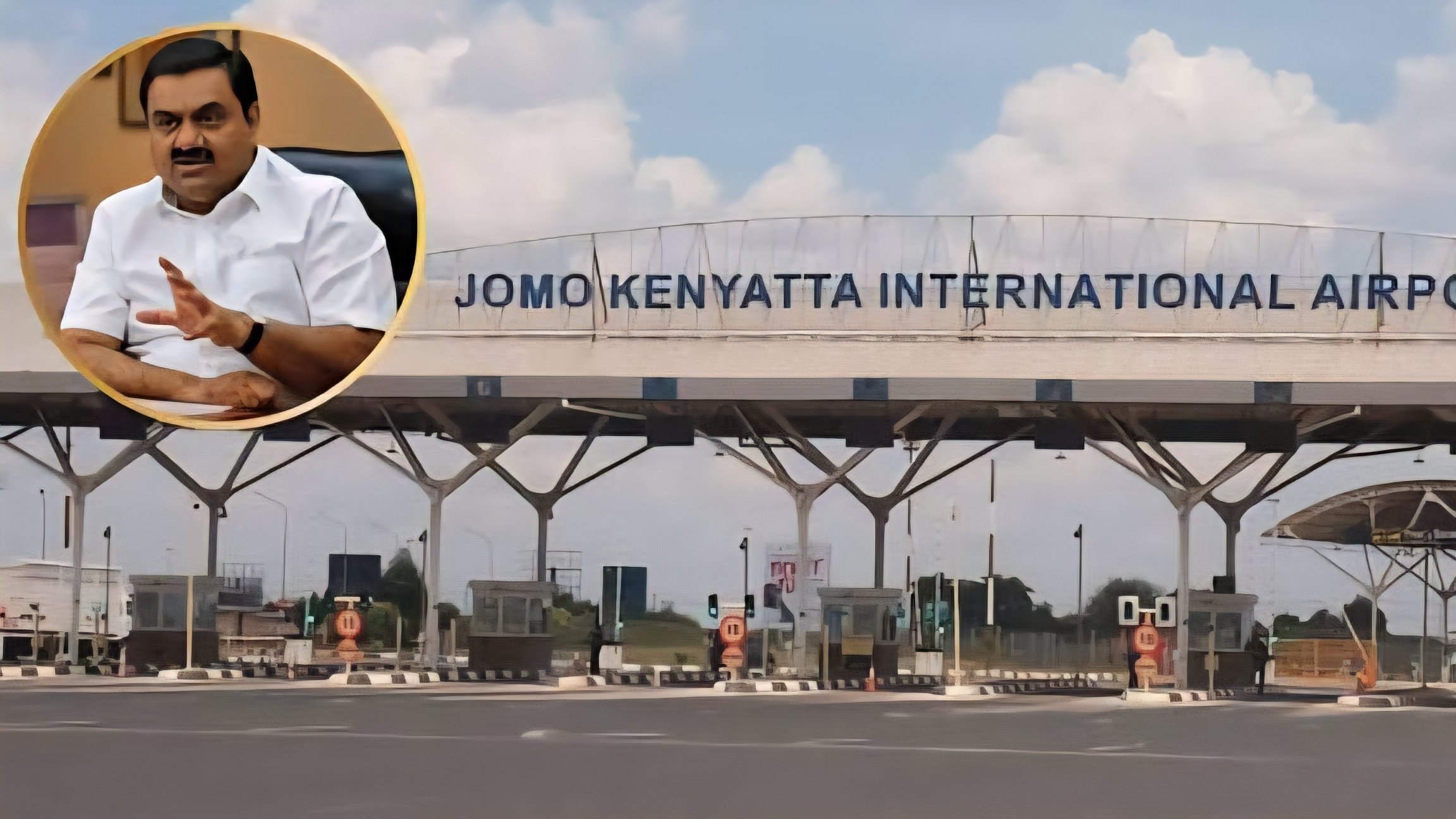

The Kenya Airports Authority (KAA) has confirmed the formal termination of the Sh258 billion Privately Initiated Proposal (PIP) by Adani Airport Holdings Limited for the expansion of Jomo Kenyatta International Airport (JKIA).
This move follows a presidential directive issued in late 2024, which ordered the Ministry of Transport and the KAA to scrap the deal. The decision was prompted by bribery and corruption charges filed against the Adani Group in the United States, although the firm has denied any wrongdoing.
The proposed deal would have seen the Indian conglomerate take over the management of Kenya's primary aviation hub for 30 years. In exchange, the firm committed to building a new passenger terminal, a second runway, and refurbishing existing facilities at the airport.
According to a status update from the KAA, the termination process was handled in strict adherence to the Public Private Partnerships (PPP) Act. The authority noted that the legal framework for such cancellations required formal notification to the proponent to close the chapter on the "opaque" deal.
While the project has hit a dead end, the legal fallout is just beginning. Several lobby groups and professional bodies had already moved to court to challenge the secrecy surrounding the procurement process, and these cases remain active within the judicial system.
Critics of the deal argued that the long-term lease of a strategic national asset was undervalued. They further raised concerns about the lack of public participation and the potential for job losses among local airport workers who feared the transition to private management.
The KAA has now been tasked with finding an alternative financing model to address the infrastructure gaps at JKIA. The airport has recently faced significant challenges, including leaking roofs and frequent power outages, which have highlighted the urgent need for modernization.
Government officials have suggested that future redevelopment efforts may involve a more transparent competitive bidding process. This approach aims to restore public confidence in large-scale infrastructure procurement after the backlash triggered by the Adani proposal.
The cancellation is viewed as a significant pivot in Kenya’s infrastructure strategy. It signals a move away from controversial direct-negotiation deals toward frameworks that prioritize accountability and align with international standards of corporate governance.
Industry experts believe that while JKIA desperately needs the Sh258 billion investment, the cost of proceeding with a tainted partner would have been higher in the long run. The focus now shifts to how quickly the KAA can mobilize new resources for the project.
Comments (0)
Leave a Comment
No comments yet. Be the first to share your thoughts!