
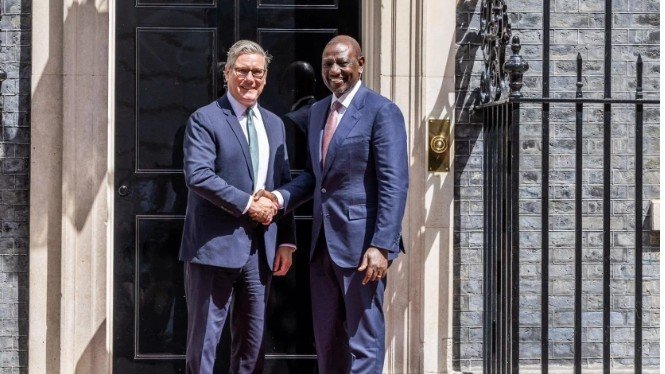

The latest data from the United Kingdom government on trade and investment shows that trade between the UK and Kenya has reached a historic high. According to the report, total UK-Kenya trade amounted to 360 billion shillings in the four quarters ending in the third quarter of 2025, covering the period from July to September. This marks the highest level of trade ever recorded between the two countries, highlighting the growing economic relationship and mutual investment opportunities.
Kenya has long been a key trading partner for the UK in Africa and the increase in trade reflects a combination of factors. Exports from Kenya to the UK include agricultural products, manufactured goods, and services, while imports from the UK cover machinery, vehicles, chemicals and technology solutions. The steady rise in trade volumes shows that businesses on both sides are increasingly finding ways to collaborate and benefit from each other’s markets.
One significant contributor to the growth is Kenya’s expanding agricultural sector. The country produces tea, coffee and horticultural products, which have seen strong demand in the UK. The quality and consistency of Kenyan products, combined with improved logistics and export processes, have made them more competitive in international markets. At the same time, UK companies are leveraging Kenya as a growing market for industrial goods, financial services and technology solutions. This two way trade strengthens economic ties and creates opportunities for employment and innovation in both countries.
Investment flows have also played a key role in boosting trade. The UK remains one of the largest foreign investors in Kenya, supporting projects in infrastructure, renewable energy, education and technology. These investments not only increase Kenya’s production capacity but also enhance trade efficiency by providing better supply chains and logistics. For example, improved transport and digital systems allow businesses to move goods faster and reduce costs, benefiting both exporters and importers.
Another factor behind the record trade figure is the ongoing collaboration between government agencies and trade organizations. Both countries have been actively promoting trade missions, expos, and networking events to connect businesses. Such initiatives have made it easier for small and medium sized enterprises to enter new markets and access UK technology and expertise. Similarly, UK firms have benefited from the growing consumer market and skilled workforce in Kenya. This partnership approach has strengthened trust and encouraged long term trade relationships.
Experts also note that global economic conditions have contributed to the rise in trade. Stable foreign exchange rates, improved trade policies, and a relatively steady global demand for key goods have created a favorable environment for UK Kenya trade. Kenya’s commitment to reforms, such as reducing trade barriers and improving regulatory frameworks, has also made it easier for UK businesses to operate efficiently.
The record trade figures come at a time when both countries are exploring ways to deepen economic cooperation. There are ongoing discussions about expanding trade in services, including financial, digital and creative sectors. Technology transfer and joint research initiatives are also being considered to enhance competitiveness and innovation. Such efforts are expected to further strengthen trade ties and open up new avenues for business growth.
Overall, the rise in UK-Kenya trade to 360 billion shillings demonstrates the importance of continued collaboration, investment and policy support. Both countries have shown that by working together, they can achieve significant economic gains while creating opportunities for businesses and communities. As trade continues to grow, it will not only benefit the two economies but also set an example of how international partnerships can drive sustainable development.
The record trade achievement is a positive sign for the future, reflecting the resilience and potential of the UK Kenya economic relationship. Businesses, investors and policymakers are now looking ahead to further expansion, hoping to build on this momentum and reach even greater heights in the coming years.
Comments (0)
Leave a Comment
No comments yet. Be the first to share your thoughts!