
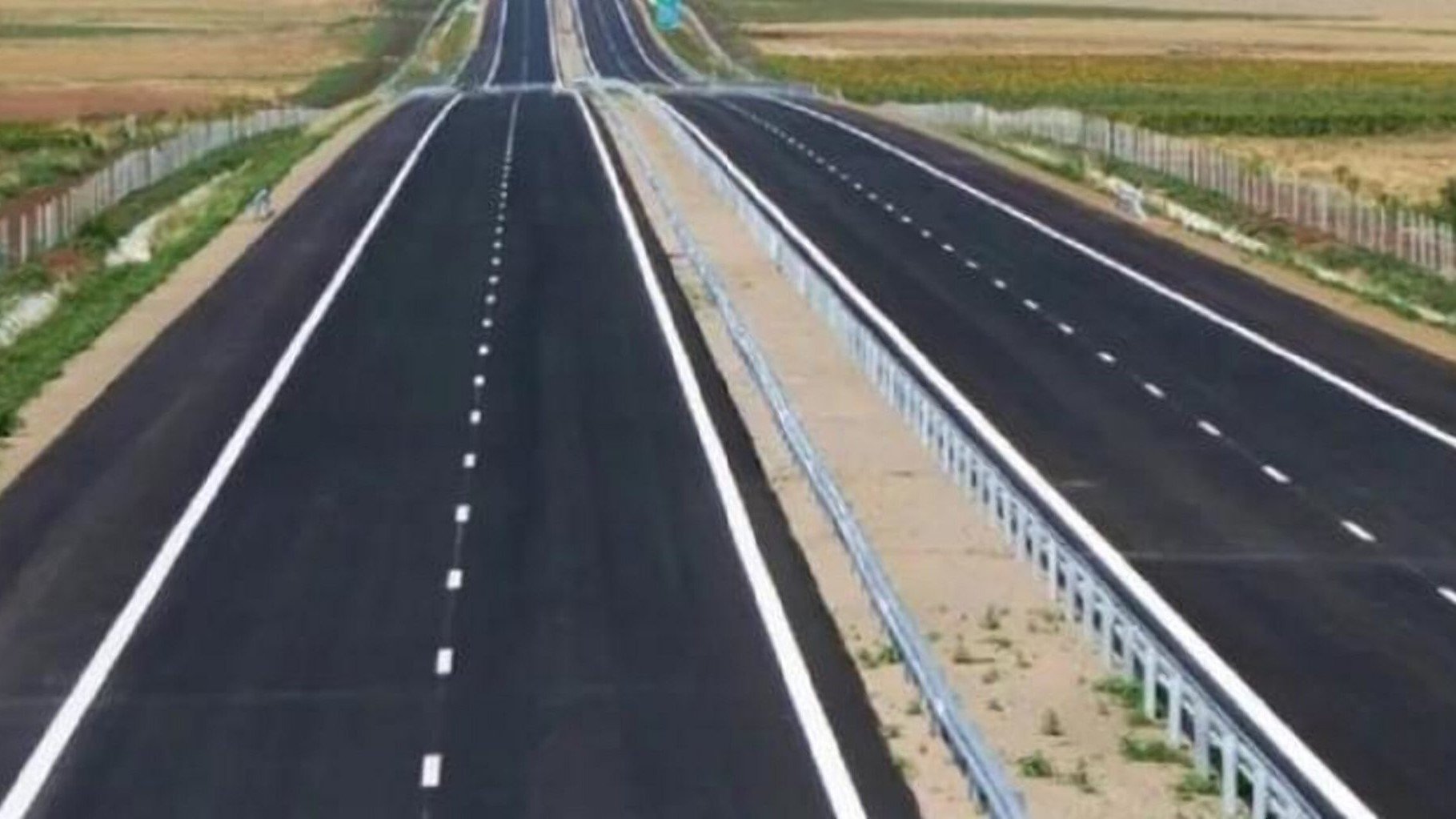

The Kenyan government, through the Directorate of Public Private Partnerships (PPP), has moved to clarify the financing and ownership structure of the vital Rironi–Nakuru–Mau Summit Highway project, seeking to allay widespread public concerns. The Directorate emphasized that despite being implemented under a PPP model, the 233-kilometre road remains a strategic national asset that is fully owned by the State, with tolling operations slated for strict government oversight to secure public interests and ensure the long-term financial sustainability of the infrastructure.
PPP Director-General Eng. Kefa Seda reiterated that the involvement of private players, including the China Road and Bridge Corporation (CRBC) and the National Social Security Fund (NSSF), constitutes a financing framework rather than a privatization. This structure is designed specifically to ease the financial pressure on the national budget and manage the country's debt exposure, an increasingly necessary measure as the government pursues aggressive fiscal consolidation targets.
The need for this model stems from the immense capital required for national infrastructure development. With the road sector alone needing an estimated KSh 4 trillion over the next decade, an amount unattainable through traditional tax revenues or borrowing, the government views the PPP framework as an essential tool. The choice, according to the Directorate, is to have the road now under a sustainable financing structure rather than face an indefinite delay due to prevailing fiscal constraints.
Under the negotiated agreement, the private partner will finance, construct, operate, and maintain the highway for a defined 30-year concession period, recovering their investment through State-approved tolls. The government confirmed that the tolling mechanism is structured as a user-pay service, not a tax, and revenues will be legally ring-fenced. This means every shilling collected must be applied directly back into the corridor to fund continuous maintenance, lighting, security patrols, and emergency response services, with excess proceeds beyond projected traffic volumes returning to the State via a robust revenue-sharing framework.
The government maintains ultimate policy direction and regulation. Oversight will be continuous, involving multiple agencies, including the National Treasury, the State Department for Roads, and the Kenya National Highways Authority (KeNHA). Furthermore, the State retains critical "step-in rights," allowing for direct intervention to ensure uninterrupted service delivery should the private operator fail to meet agreed quality and operational standards. The Directorate assured that once current negotiations with the preferred bidder are finalized, all details, including toll rates and concession terms, will be publicly released and subjected to parliamentary scrutiny in line with the PPP Act, 2021.
Comments (0)
Leave a Comment
No comments yet. Be the first to share your thoughts!