
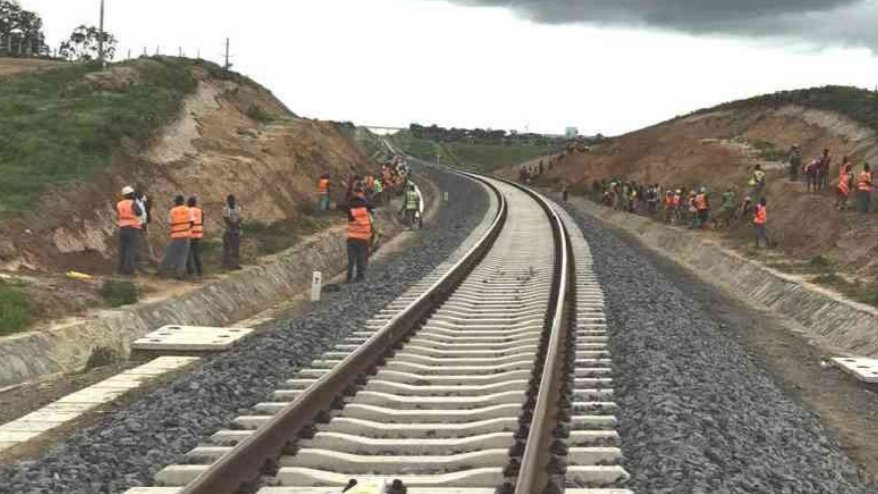

The National Treasury is charting a new course for the completion of the Standard Gauge Railway (SGR) to the Ugandan border, with a clear directive to move away from the traditional model of heavy external borrowing. Cabinet Secretary John Mbadi has indicated that the extension from Naivasha to Malaba must be realized through creative financing mechanisms that protect the country’s sovereign balance sheet from further strain. This shift follows years of fiscal pressure tied to the initial phases of the project, which were largely bankrolled by bilateral loans.
According to the Treasury, the focus has moved toward a blended finance approach. This model seeks to leverage private sector participation and internal revenue streams rather than seeking a new package of commercial loans from traditional lenders. Central to this strategy is the securitisation of the Railway Development Levy (RDL), a fund that collects a 2 per cent fee on all imported goods. By leveraging the consistent cash flow from this levy, the government hopes to provide the necessary guarantees to attract private investors without increasing the direct debt stock.
The project, which is estimated to cost approximately $5.3 billion for the remaining Kenyan sections, is divided into Phase 2B from Naivasha to Kisumu and Phase 2C from Kisumu to Malaba. The government is currently exploring a structure where the State provides roughly 30 per cent of the required capital, with the remaining 70 per cent sourced through a combination of concessional arrangements and private investment. One proposal under consideration involves a consortium of private firms that would build and operate the line for a set period, recouping their investment through operational revenues and tolls before eventually handing the asset back to the state.
Mbadi has stressed that the urgency of reaching Malaba is tied to the commercial viability of the entire 600-kilometre corridor. Currently, the SGR terminates at a railhead in Suswa, necessitating a transshipment process to the older metre-gauge line to reach the border. By completing the modern link, the Ministry of Transport expects to significantly reduce the transit times and logistics costs that currently hinder the competitiveness of the Northern Corridor. The government maintains that once the line reaches the border, the increased volume of freight from landlocked neighbors will generate sufficient revenue for the project to sustain its own operations and maintenance.
While the administration had initially looked toward a full funding package from Beijing, the current fiscal environment has necessitated a more diversified search for partners. Negotiations have expanded to include potential investors from the Middle East, specifically the United Arab Emirates, alongside ongoing consultations with Chinese technical partners. The Treasury is also considering the issuance of a 15-year infrastructure bond, potentially a yuan-denominated "Panda bond," to tap into different liquidity pools while managing currency exchange risks.
Despite the move toward private capital, the government faces the challenge of ensuring the project remains bankable for skeptical investors. Detailed design reviews and environmental assessments are currently being finalized to provide a transparent framework for potential partners. The Treasury’s goal is to reach a financial close that allows construction to begin by early 2026, aligning with regional commitments made to Uganda to provide a seamless standard-gauge connection from the Port of Mombasa to Kampala and beyond.
Comments (0)
Leave a Comment
No comments yet. Be the first to share your thoughts!