
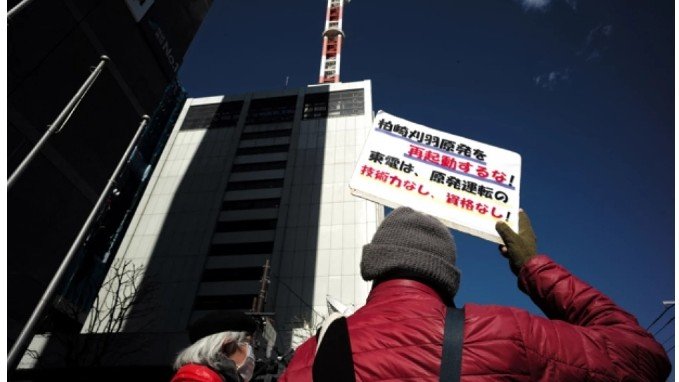

Japan has restarted operations at the Kashiwazaki-Kariwa nuclear power plant, the largest nuclear facility in the world by capacity, marking a major step in the country’s gradual return to nuclear energy more than a decade after the Fukushima disaster. The move reflects Japan’s changing energy priorities as it balances safety concerns, climate commitments and rising electricity demand in an economy that remains heavily dependent on imported fuel.
The Kashiwazaki-Kariwa plant is located in Niigata Prefecture along the Sea of Japan and is operated by Tokyo Electric Power Company Holdings (TEPCO). The facility has seven reactors with a combined capacity of over 8,000 megawatts, making it the largest nuclear plant globally. It had been shut down since 2011 following the earthquake and tsunami that triggered the Fukushima Daiichi nuclear accident, also operated by TEPCO. Although Kashiwazaki-Kariwa was not seriously damaged in that disaster, safety reviews and public opposition kept it offline for years.
Japan’s nuclear regulator, the Nuclear Regulation Authority (NRA), approved the restart after a long process of inspections and system upgrades. These included improvements to security systems, counterterrorism measures and emergency preparedness. The plant had faced additional delays due to security lapses reported in 2021, when regulators found that access control systems were not functioning properly and that unauthorized entry could have occurred. TEPCO was ordered to fix these issues before any restart could be considered.
The decision to allow the plant to resume operations comes at a time when Japan is under pressure to secure stable and affordable energy supplies. Since the Fukushima disaster, Japan has relied heavily on imported fossil fuels such as liquefied natural gas, coal and oil to meet its electricity needs. This dependence has made the country vulnerable to global price swings and supply disruptions, especially following geopolitical tensions and conflicts that have affected energy markets worldwide.
Restarting nuclear plants is seen by the government as one way to reduce energy costs and cut carbon emissions. Japan has committed to achieving carbon neutrality by 2050 and nuclear power is viewed as a low emission energy source that can support this goal. Officials argue that without nuclear energy, it would be difficult for the country to meet its climate targets while also ensuring a reliable power supply.
Despite regulatory approval, public concern remains strong, particularly among local residents. Many people in Niigata Prefecture have expressed worries about safety, evacuation plans and the long term management of nuclear waste. Local consent is a key factor in nuclear restarts in Japan and while technical approval comes from national regulators, political approval often depends on governors and local assemblies. Discussions between TEPCO, the central government and local leaders are ongoing to address these concerns.
TEPCO has stated that it has learned from past failures and has taken steps to improve safety culture within the company. The operator says it has strengthened internal oversight, increased training for staff and improved communication with regulators and local communities. Still, trust in TEPCO remains fragile due to its handling of the Fukushima accident and subsequent issues, including the management of treated radioactive water.
The restart of Kashiwazaki-Kariwa is also significant for Japan’s broader nuclear policy. Before 2011, nuclear power supplied around 30 percent of the country’s electricity. That share dropped sharply after most reactors were shut down. In recent years, the government has shifted its stance, promoting the restart of existing reactors and even discussing the development of next generation nuclear technology. The restart of the world’s largest plant sends a clear signal about this policy direction.
Internationally, Japan’s move is being closely watched by other countries reassessing nuclear energy. As concerns grow about climate change and energy security, several nations are reconsidering nuclear power or extending the life of existing plants. Japan’s experience highlights both the technical challenges and the social hurdles involved in bringing large nuclear facilities back online after long shutdowns.
While the restart of Kashiwazaki-Kariwa does not immediately solve Japan’s energy challenges, it represents a notable shift in the country’s approach to power generation. The plant’s future operation will depend not only on technical performance but also on public confidence and transparent oversight. How Japan manages this balance may shape its energy system for decades to come.
Comments (0)
Leave a Comment
No comments yet. Be the first to share your thoughts!