
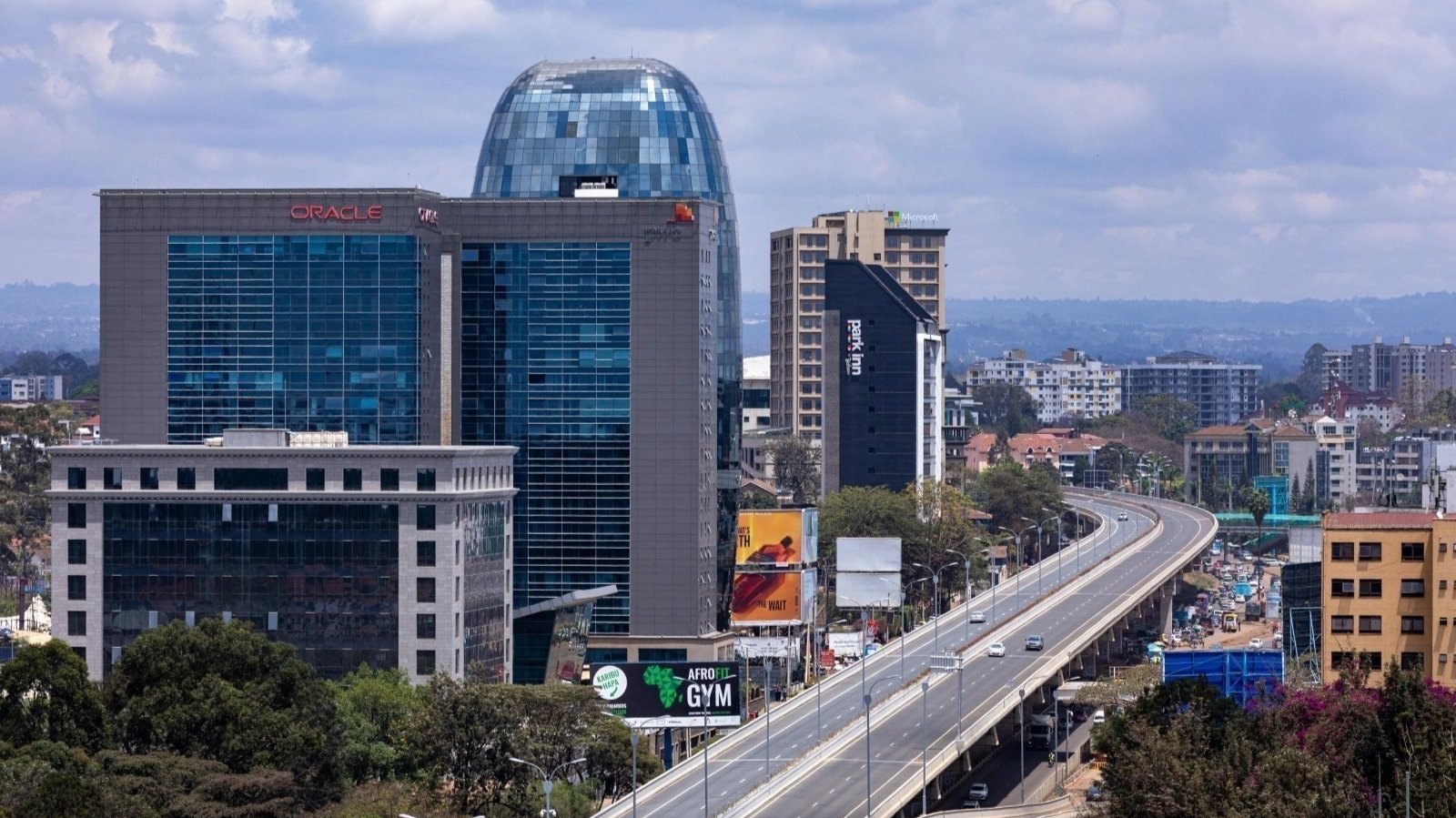

Nairobi stands on track to emerge as Africa’s most populous metropolitan area by 2050. Fresh estimates place it ahead of long time leaders like Cairo and Lagos.
Data from the Africapolis platform developed by the OECD points to 57.2 million people in the Kenyan capital. The figure marks a leap from the current 15.95 million.
Cairo would follow with 55.5 million while Lagos reaches 36.9 million. The shift underscores accelerating urban growth across the continent.
Migration from rural counties drives much of the increase. Young people seeking jobs and services continue to converge on the capital.
Devolution sought to balance development nationwide. Nairobi nevertheless retains a dominant share of economic activity at 25.3 percent of national GDP.
The expansion will test the city’s capacity to generate employment. Many businesses lag in absorbing new graduates, potentially fuelling social pressures.
Housing deficits and worn infrastructure loom large. Water systems, sewer networks and roads already buckle under existing loads.
Africa’s cities have grown without matching productivity gains seen elsewhere. Incomes stay lower at comparable stages of urbanisation.
Public spending on infrastructure remains modest. Retrofitting established settlements proves far costlier than planned expansion.
Road coverage in Nairobi falls well below levels in European or American cities. Land regulations further limit affordable housing options.
The United Nations highlights a continental shortfall of 120 million units. Rent burdens consume large portions of household income.
Effective urban management could turn the trend into an advantage. Yet planner numbers across Africa remain critically low.
Nairobi’s path to megacity scale will hinge on coordinated investment. Transport, shelter and basic services hold the key to sustainable growth.
Only 24 years to go. Possible?