
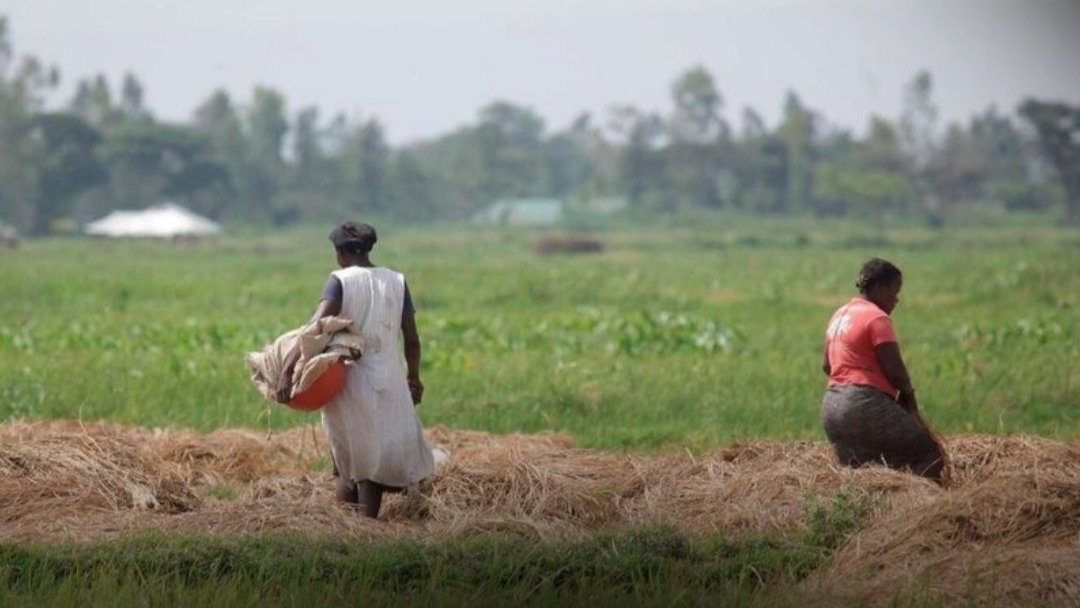

The Ahero Irrigation Scheme stands to receive a Sh5.1 billion upgrade that includes a shift toward solar energy. The National Irrigation Authority is advancing plans that combine rehabilitation works with lower operating costs.
Japan International Cooperation Agency has pledged a Sh4.2 billion grant for full scheme rehabilitation. Talks have also reached advanced stages for Sh700 million in financing to convert pumping operations from grid electricity to solar power.
NIA Chief Executive Officer Charles Muasya confirmed progress on both fronts. The solar component targets reduced energy bills that have strained scheme operations for years.
Established in 1966, Ahero ranks among Kenya’s earliest public irrigation projects. It sits in the Kano Plains of Kisumu County between the Nandi Escarpment and Nyabondo Plateau.
The scheme holds a gazetted area of 4,176 acres. Actual irrigated land has grown beyond double that original size through farmer expansion. Rice remains the dominant crop with annual output around 58,374 tonnes.
Farmers cultivate several rice varieties. Sindano covers 74 percent of planted acreage while Komboka, aromatic and hybrid types make up the rest. Additional crops include seed soybeans, commercial soybeans, watermelon, maize, tomatoes, sorghum and cowpeas.
The project supports livelihoods for roughly 110,000 people in the scheme and surrounding catchment. Reliable water supply underpins both food production and household incomes in the region.
High electricity costs for pumping water from the Nyando River have long posed challenges. The planned solar hybrid system promises savings on operations and maintenance. Such efficiencies could free resources for further maintenance and expansion.
The upgrade fits broader government efforts to scale irrigation capacity. Kenya has mapped an additional 200,000 acres with irrigation potential to boost staples like rice and maize.
Ahero remains smaller than the Mwea scheme which commands about 35,000 acres under rice. Other notable projects include Bura and the emerging Galana-Kulalu initiative.
For the construction sector the rehabilitation work signals fresh opportunities. Upgrades to canals, pumps and related infrastructure will require engineering input and materials supply. Similar projects often involve local contractors for civil works.
The solar installation adds a renewable energy dimension. Hybrid systems combining solar with existing setups reflect growing integration of green technologies in Kenyan agriculture infrastructure.
Officials view expanded irrigation as central to food security. Two in every five Kenyans face challenges accessing sufficient nutritious food according to recent assessments.
Implementation timelines remain under discussion as financing details firm up. Successful delivery could serve as a model for modernising other ageing schemes across the country.
Comments (0)
Leave a Comment
No comments yet. Be the first to share your thoughts!