
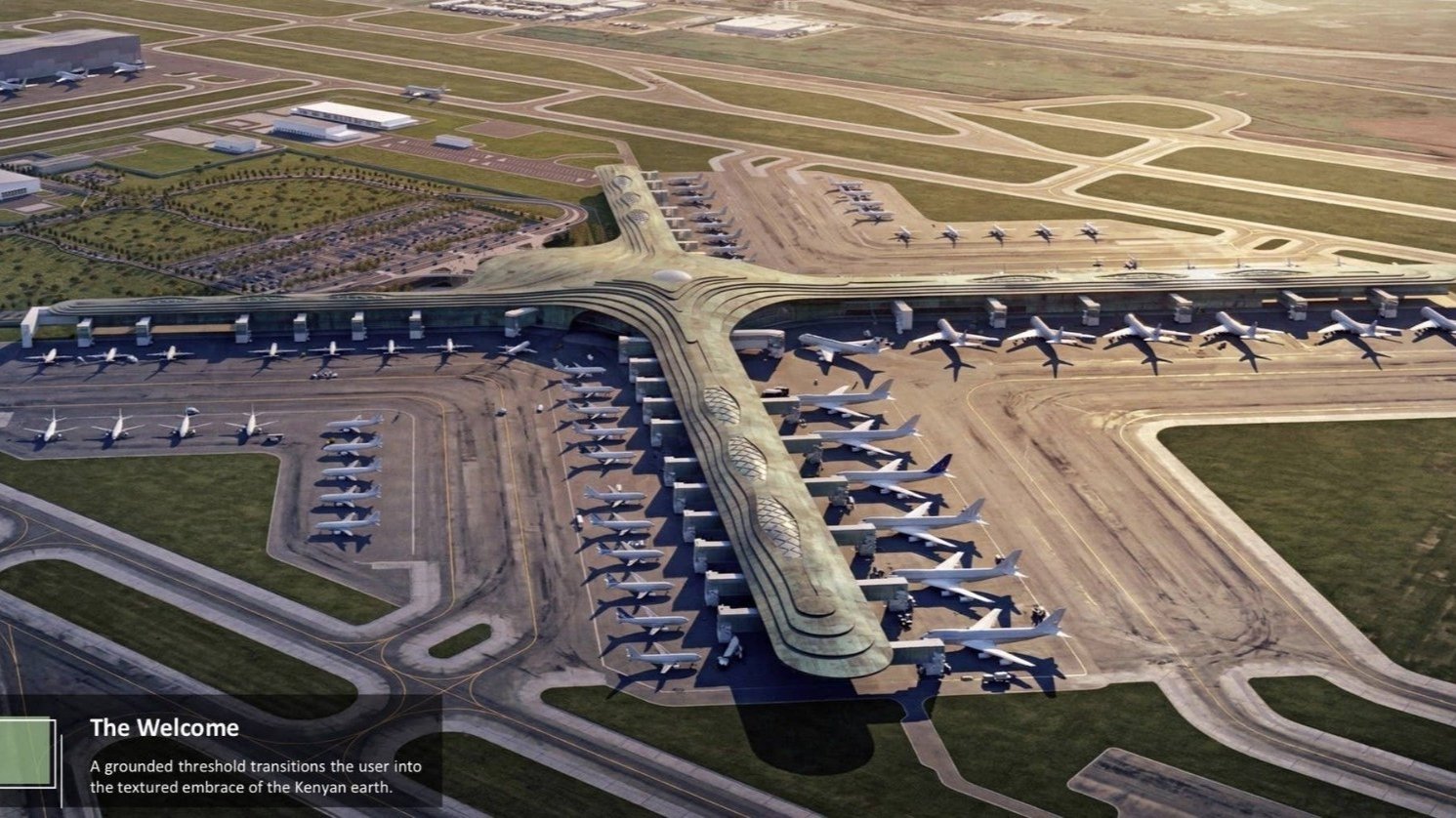

Planning documents from the Ministry of Roads and Transport have placed new architectural designs for Jomo Kenyatta International Airport in the public domain. The engineering blueprints form part of materials uploaded to the government portal.
This release aligns with recent procurement steps for the Sh375.4 billion project. The government picked China Communications Construction Company and its partners to carry out the facility upgrade.
The joint venture includes China Road and Bridge Corporation (CCCC) alongside IMC Construction Kenya. That local firm is reportedly linked to Zimbabwean businessman Wicknell Chivayo. Mjengo Hub has not independently verified the ownership details in the deal.
Computer Aided Design (CAD) modelling shapes the overall framework. Online reaction to the renders have been mixed but largely positive. The upgrade seeks to improve traffic flow and operational performance at the busy hub. JKIA already manages millions of passengers each year.
The master plan shows a full rebuild of the passenger terminal with extended concourses and optimised aircraft parking on the apron. Wide drop-off lanes feed a modern entrance facade.

Road layouts keep pedestrian routes separate from logistics traffic. This should ease congestion around the main building. Check-in halls rely on tall pillars and large glass panels to bring in natural light.
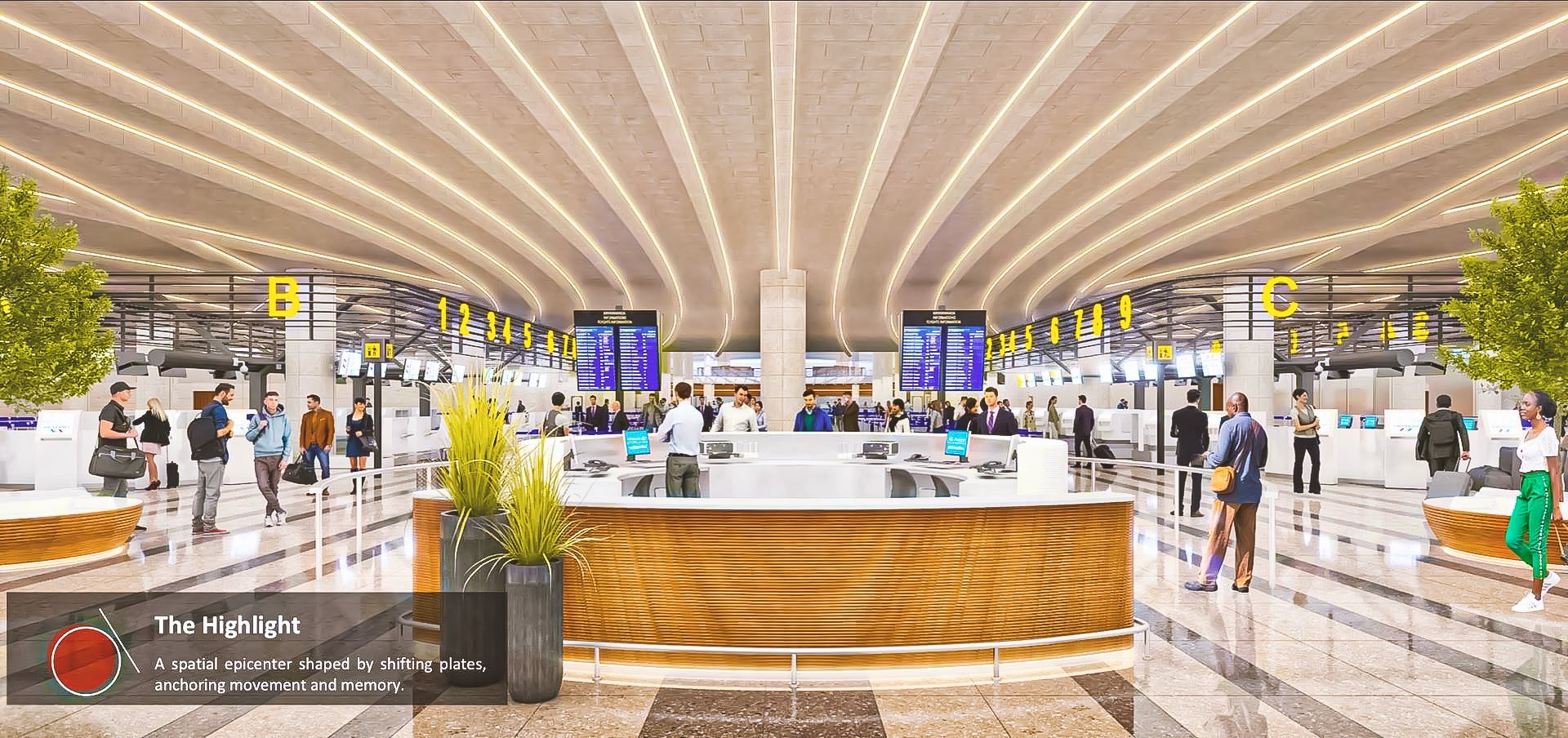
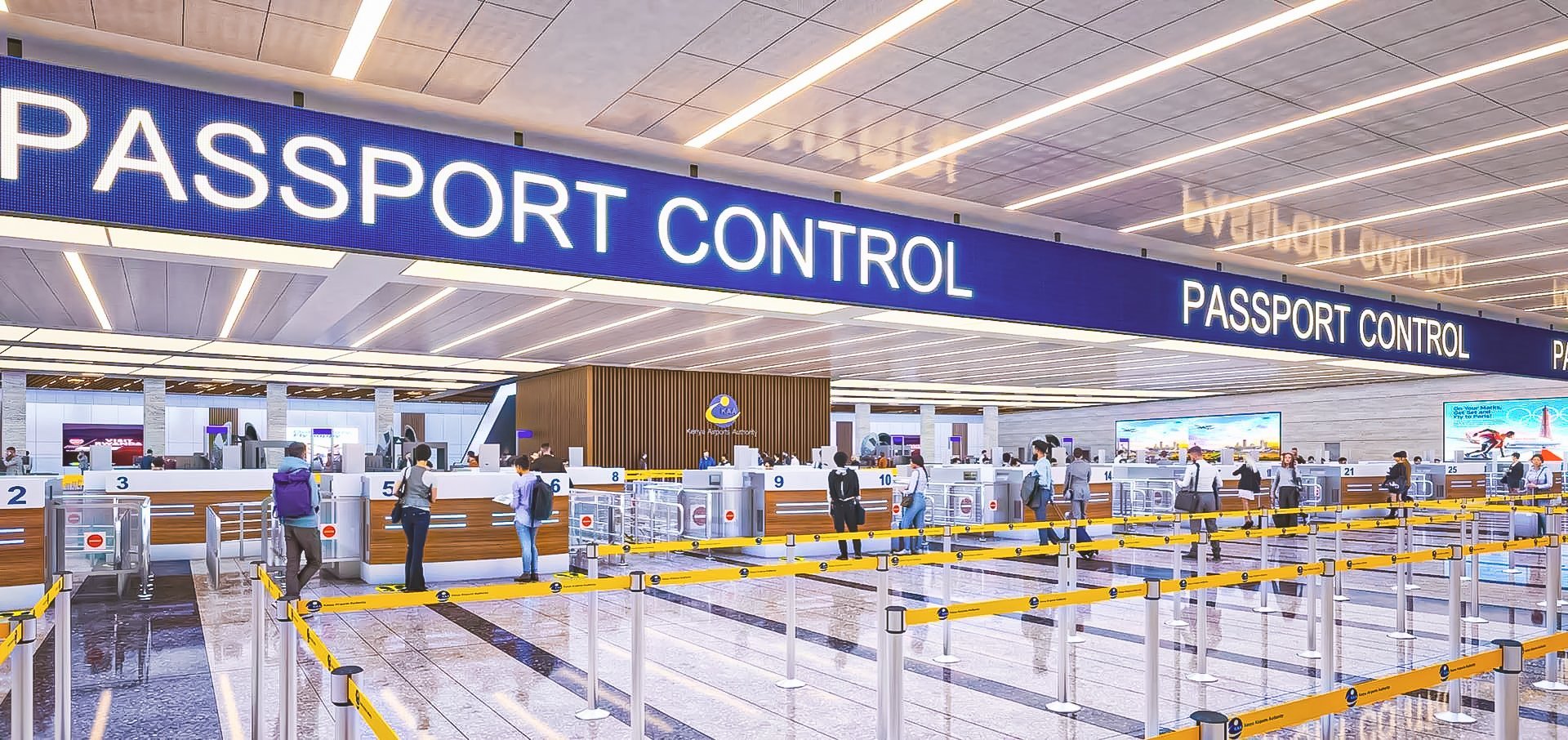
Open interiors spread passenger crowds with clear digital guidance. Immigration zones use structured queuing to speed processing. Automated walkways run parallel to main paths for easier movement to distant gates.

Duty-free retail clusters in multi-level zones around open pavilions. The arrangement keeps shops visible without blocking primary walkways.

Designs isolate arriving and departing flows to meet international security standards. Sustainability elements include energy-efficient panels and local materials for better insulation in crowded lounges.
Officials plan phased construction to maintain regular flight operations with limited disruption. The project will test how these features perform once built. Observers will watch how the new terminal compares in scale and efficiency to major global hubs handling similar passenger volumes.
Photos courtesy.
Comments (0)
Leave a Comment
No comments yet. Be the first to share your thoughts!