
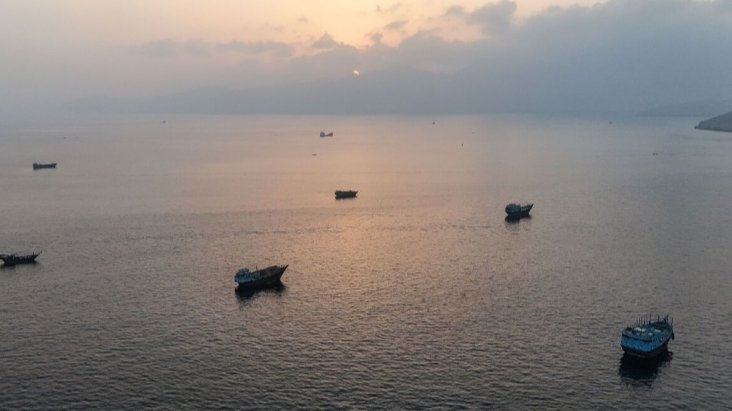

The United States carried out airstrikes on more than 80 targets in Iran earlier this week. These included air defence systems, command centres, coastal radar and anti-ship missile sites. The action followed Iranian attacks on three commercial vessels in the Strait of Hormuz.
The US also reimposed sanctions on Iranian oil sales. These steps have added uncertainty to global energy markets. Kenya imports most of its fuel, so changes in international prices show up quickly at the pump and affect daily costs across the economy.
The developments come after a truce reached last month between the US and Iran. That agreement had aimed to pause hostilities and allow some sanctions relief, including on oil exports. It now sits in limbo after the recent exchanges.
The truce broke down following Iranian attacks on commercial shipping in the Strait of Hormuz. The US responded with strikes and sanctions to protect navigation in the key waterway.
The World Bank warns that up to 2.4 million more Kenyans could fall into poverty by the end of 2026 if the Middle East conflict continues to drive up fuel, transport and food prices.
The Energy and Petroleum Regulatory Authority (EPRA) is due to review petroleum pricing in 5 days. EPRA examines costs for diesel, petrol and kerosene that influence transport, manufacturing and household expenses.
The World Bank has given advice before on managing fuel costs through clearer rules and steps to limit sudden swings from abroad. Volatile oil markets hit the wider economy hard.
Analysts say renewed pressure on Iranian supply could push crude prices higher. Kenya holds strategic reserves but still relies heavily on imports, so global movements affect everything from road haulage to power generation.
Kenyans are anxiously waiting for the fuel price as the world watches the developments in the Middle East keenly. EPRA usually weighs international benchmarks, taxes and distribution costs when setting rates.
The situation shows how distant conflicts shape costs at home. Some hope remains for talks to stabilise the situation. Officials in Nairobi continue engagement with international partners on energy security. Longer-term steps may include more renewables and regional sources to reduce reliance on Middle East oil.
Comments (0)
Leave a Comment
No comments yet. Be the first to share your thoughts!