
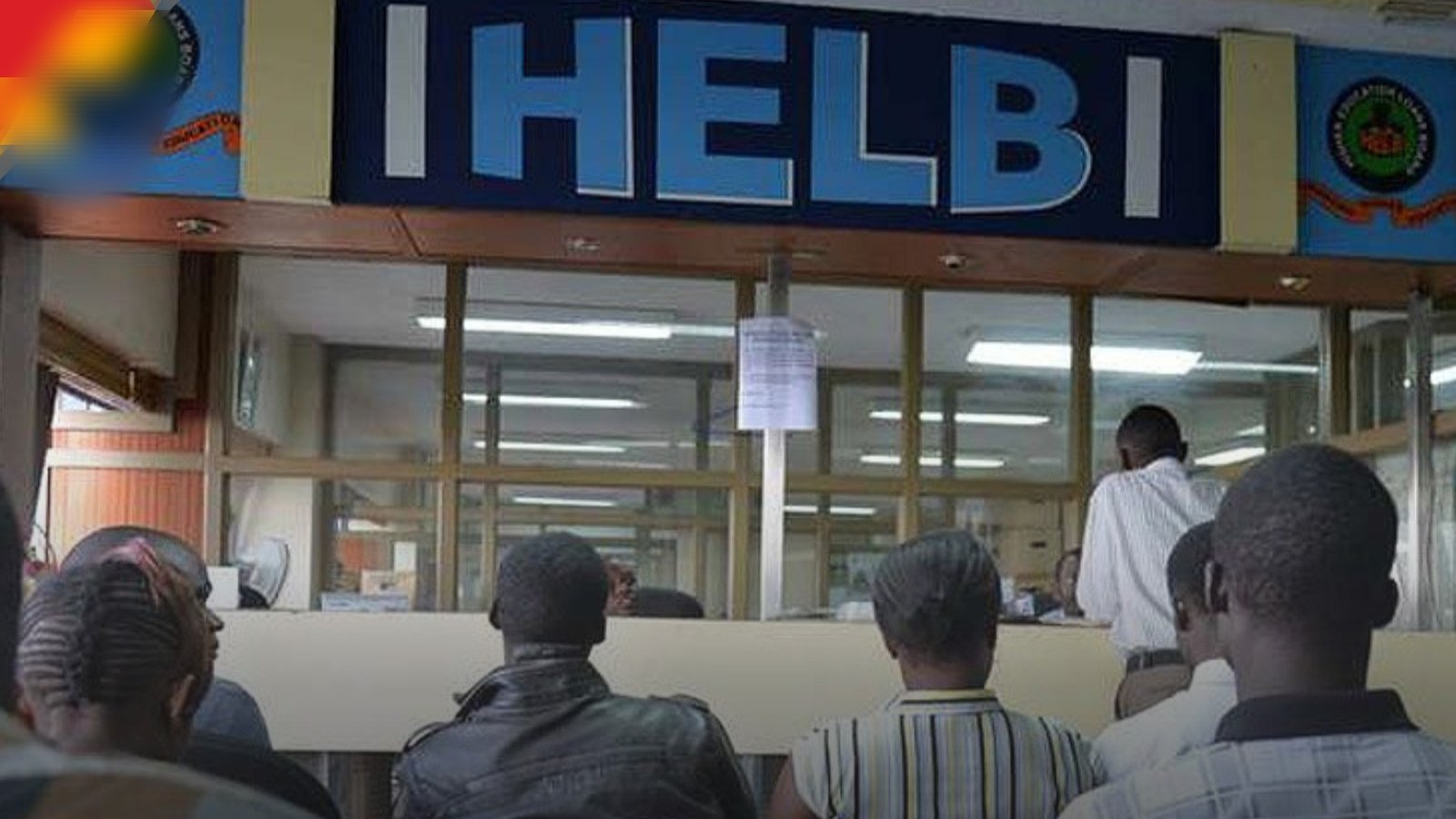

Kenya’s higher education funding architecture is set for sweeping changes. The Tertiary Placement and Funding Bill 2026 proposes merging the Higher Education Loans Board, the Universities Fund, and the TVET Fund into one entity called the Tertiary Education Funding Authority. Parliament is currently considering the legislation.
The new authority would centralise student financing, loan disbursement, and recovery across public universities, colleges, and technical institutions. Proponents argue the unified structure will create a more efficient and sustainable system. It would replace the current fragmented approach where different bodies handle separate aspects of tertiary funding.
President William Ruto announced the shift toward full government funding for eligible students admitted to public institutions. Starting September 2026, students who meet placement criteria would receive comprehensive support covering tuition, accommodation, and living expenses. Parents could choose to top up if they wish. Beneficiaries would repay their portion after gaining employment.
The previous differentiated funding model, introduced in 2023, has drawn criticism. Vice-chancellors and other stakeholders reported that promised percentages were not fully honoured, straining university finances. Ruto acknowledged that the earlier system failed to deliver adequately for both students and institutions.
The proposed universal approach aims to reduce financial barriers that force students to abandon preferred courses or drop out. It also seeks to ease the burden on families amid rising living costs. Stronger loan recovery mechanisms under the new authority are expected to ensure the fund remains viable for future generations.
The changes come as demand for tertiary education continues growing. Kenya has expanded university and TVET capacity significantly in recent years. However, funding gaps have persisted, leading to occasional strikes by staff and complaints over inadequate infrastructure. A consolidated funding body could streamline allocations and improve planning.
For the construction sector, the implications are notable. Many engineering, architecture, and technical programmes fall under TVET and university systems. More predictable and comprehensive student funding could boost enrolment in these fields, helping address skills shortages on major infrastructure projects.
The bill is expected to undergo parliamentary debate in coming weeks. If passed, the reforms would mark one of the most significant overhauls of higher education financing in recent memory. Implementation from September will test the new authority’s capacity to manage increased volumes without the teething problems that have plagued previous initiatives.
Stakeholders will watch closely how loan recovery is strengthened and whether the universal model proves financially sustainable. The merger itself requires careful integration of existing systems, staff, and data to avoid service disruptions during transition.
Comments (0)
Leave a Comment
No comments yet. Be the first to share your thoughts!