
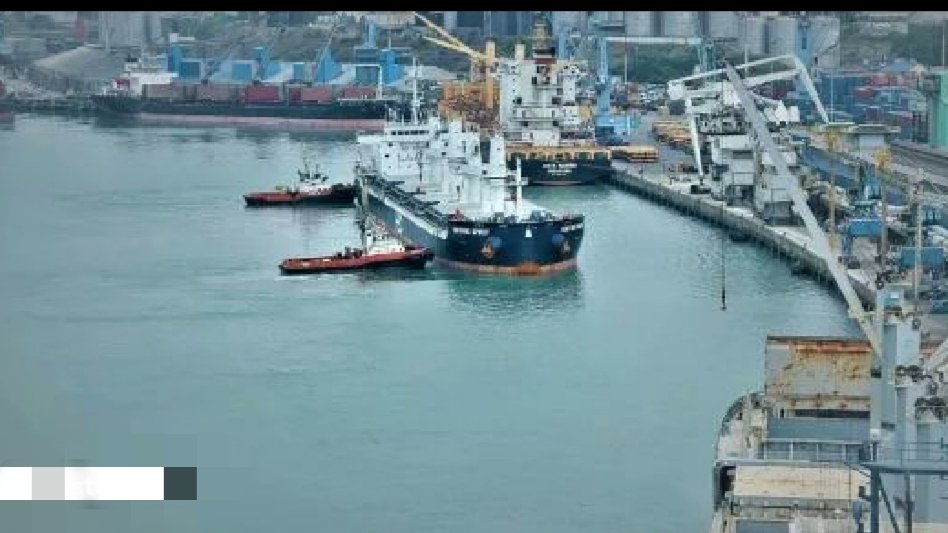

Kisumu Port has recorded a dramatic rise in cargo volumes over the past eight years. The facility handled just 4,300 metric tonnes in 2017. By 2025 that figure had climbed to 459,000 metric tonnes. The growth reflects major infrastructure upgrades and renewed interest in Lake Victoria transport.
Kenya Ports Authority showcased the progress at this year’s ASK Kisumu National Show through a towering ship-shaped exhibition stand. Visitors learned how the once under-utilised port is evolving into a key logistics hub for western Kenya and the wider East African Community.
Port manager Elijah Chirchir attributes the turnaround to targeted investments. Dredging has increased water depth so larger vessels can berth safely. Yard space has expanded and the quay length has grown from 292 metres to 392 metres. These changes have lifted handling capacity and improved operational efficiency.
Kisumu Port now serves as a major gateway for fuel shipments to Uganda. It also handles exports of ceramic materials and steel billets. Water transport reduces logistics costs, eases pressure on road networks and allows larger consignments to move more efficiently.
The anticipated arrival of the Standard Gauge Railway in the region is expected to integrate the port into a multimodal network linking road, rail and water. Such connectivity should strengthen trade with Uganda and Tanzania while attracting further investment to western Kenya.
Beyond Kisumu, KPA is developing a network of feeder ports. Thirteen projects are under way across the lake region. Homa Bay Port has completed its first phase and moved into the second. Mbita Bay in Homa Bay County and Sio Port in Busia County are both about 54 percent complete and due for commissioning by the end of September 2026. Construction of Usenge Port in Siaya County is scheduled to begin in the coming months.
These smaller ports will support fishing, passenger transport, tourism and cross-border trade. Passenger services have already expanded, with commercial ferries and catamarans operating regular routes. Thousands of local watercraft also move people and goods across the lake.
The integrated network creates employment for fishermen, traders, port workers, mechanics and boat operators. Farmers gain access to wider markets and related businesses such as hotels, warehouses and retail outlets have grown. Faster and more affordable water transport benefits lakeshore and island communities.
At the national level the ports contribute to East African Community trade, generate revenue and help reduce road congestion. Modernisation of Kisumu Port has encouraged additional investment and raised both cargo and passenger traffic.
The ASK Show stand drew students interested in maritime careers, investors seeking opportunities and farmers looking for better market access. The exhibition underscored a shift from decline to growth. Every new metre of quay and every completed feeder port represents renewed confidence in Lake Victoria as a catalyst for regional development.
Comments (0)
Leave a Comment
No comments yet. Be the first to share your thoughts!