
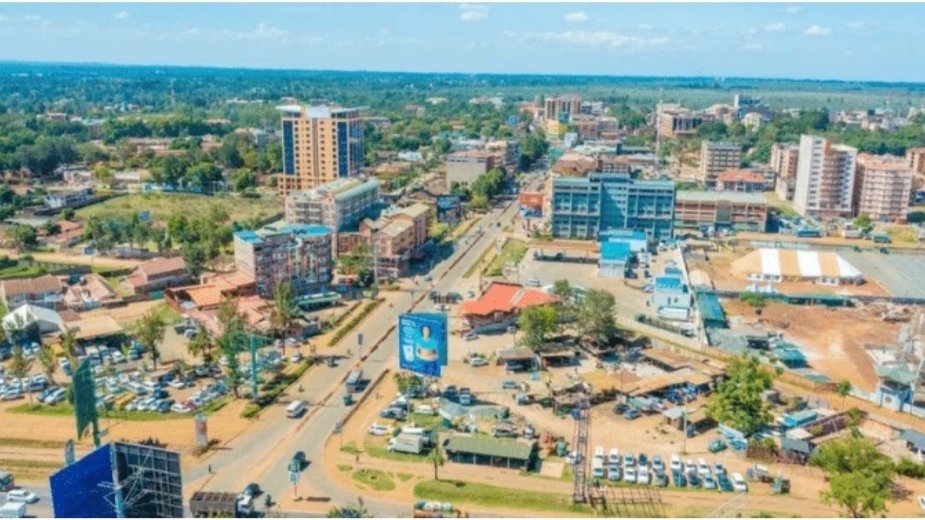

Thika Municipality has moved closer to becoming Kenya’s sixth city after the Senate approved its elevation. The approval, however, comes with conditions. Kiambu County government has 90 days to submit a detailed work plan addressing concerns raised during public participation. Only then can the President issue the formal charter under the Urban Areas and Cities Act.
The Senate Committee on Devolution and Intergovernmental Relations reviewed the proposal and acknowledged Thika’s progress in institutional capacity, financial management, and infrastructure. Senators nevertheless insisted on concrete commitments to ensure sustainable urban development before the transition is completed. The committee directed Governor Kimani Wamatangi to prepare implementation plans that respond to resident feedback.
Water supply emerged as a priority area. The county must demonstrate plans to expand access to clean, reliable water for households across the proposed city boundaries. Aging drainage systems also require modernisation to reduce flooding risks during rainy seasons. Solid waste management needs overhaul to improve sanitation and public health standards.
Road infrastructure received particular attention. Many internal roads in Thika have deteriorated and require urgent upgrading. Better transport links are seen as essential for supporting the town’s industrial and commercial activities. The county has already collaborated with national agencies including the Kenya National Highways Authority, Kenya Urban Roads Authority, and Kenya Rural Roads Authority on various projects. Those efforts will need to be accelerated and properly documented.
Cultural facilities form another condition. The local public theatre and museum interpretive centre must be fully operationalised as part of preserving Thika’s heritage. These institutions can contribute to tourism and community identity as the town grows.
Thika’s industrial base gives it strong credentials for city status. The town lies about 42 kilometres northeast of Nairobi along the A2 highway. It hosts numerous manufacturing and agro-processing plants producing items ranging from processed pineapples and edible oils to textiles, motor vehicle components, and chemicals. Roughly 100 small-scale industries and around 50 major factories operate there. The 2019 census recorded a population of 279,429, which has continued growing as part of the wider Nairobi metropolitan region.
Strategic location has helped Thika develop as a commercial and educational centre. It connects to central Kenya and northeastern regions through major highways and a railway line that handles both passengers and freight. Three universities and several colleges serve students from surrounding areas. Tourist sites including Chania Falls, Fourteen Falls, and Ol Donyo Sabuk National Park add another dimension to its economy.
Under Section 5 of the Urban Areas and Cities Act, aspiring cities must meet several thresholds. These include a population above 500,000, an Integrated Strategic Urban Development Plan, capacity to generate own revenue, sound financial management, and ability to deliver essential services efficiently. Thika has made notable strides in these areas, according to the Senate committee. The county government points to its Integrated Strategic Urban Development Plan as evidence of forward-looking planning.
Governor Wamatangi has described the city status bid as people-centred. He argues it will attract more investment, create jobs, and improve service delivery. If the 90-day conditions are satisfied, Thika would join Nairobi, Mombasa, Kisumu, Nakuru, and Eldoret as Kenya’s sixth city.
The process has highlighted tensions common in urban transitions. Residents raised legitimate concerns about infrastructure readiness during public hearings. Addressing them systematically should produce a more robust city framework. Delivering on the Senate’s requirements within the timeline will test the county’s coordination and execution capabilities.
For Kenya’s broader urbanisation agenda, successful elevation of Thika could set a precedent. Other growing municipalities may follow similar paths. The focus on practical conditions rather than symbolic status reflects a maturing approach to city governance. Infrastructure, services, and financial sustainability must underpin the title if new cities are to drive genuine economic transformation.
Comments (0)
Leave a Comment
No comments yet. Be the first to share your thoughts!