
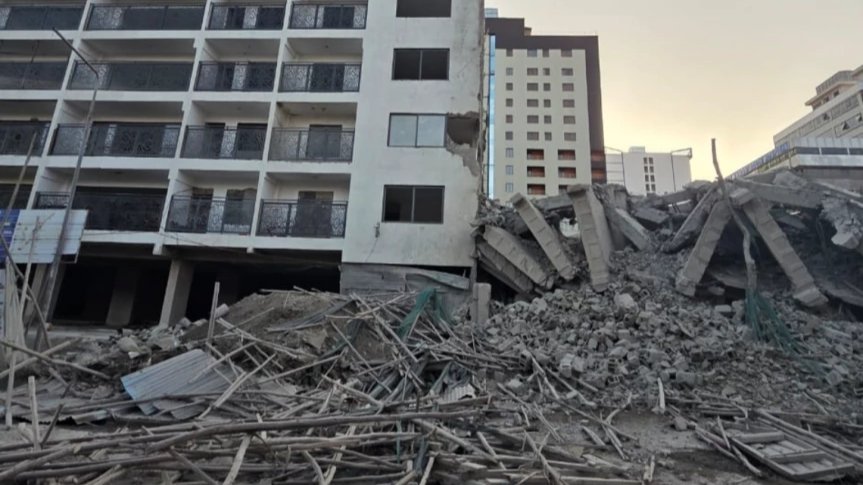

A Nairobi court has issued a warrant of arrest for John Gombe Osike. He is one of the accused persons charged in connection with the collapse of a building in South C. Osike failed to appear in court for the hearing.
The collapse of the multi-storey building in South C earlier this year drew widespread attention to construction safety standards in Nairobi. Several people lost their lives while others sustained injuries. The incident triggered investigations into possible regulatory failures and substandard practices.
Osike, reportedly a Nairobi County official, faces charges alongside other individuals and entities. The case has highlighted questions around approvals, inspections and enforcement of building regulations in densely populated areas.
The court’s decision to issue the warrant reflects the seriousness with which it is treating the matter. Failure to appear can lead to such orders when accused persons are on bond or have been duly notified.
Building collapse cases in Kenya have repeatedly exposed weaknesses in the construction value chain. From design approval to material quality and on-site supervision, gaps often contribute to tragic outcomes.
The South C incident added to a worrying list of similar events in recent years. Public pressure has grown for stricter accountability from both private developers and public officials involved in oversight.
The National Construction Authority and county governments have the primary mandate to enforce standards. Cases like this one test the effectiveness of that framework and the willingness of the justice system to hold all parties accountable.
Osike’s arrest warrant means law enforcement agencies will now actively seek his apprehension. The case will likely continue once he appears or is brought before the court.
Broader reforms in construction regulation have been discussed for some time. These include better coordination between national and county agencies, digital tracking of approvals and harsher penalties for violations.
The outcome of this particular case could set a precedent for how future incidents are handled. Families of victims and the public continue to watch closely for signs of genuine accountability.
Comments (0)
Leave a Comment
No comments yet. Be the first to share your thoughts!