

A version of this article appeared on The Kenyan Wallstreet.
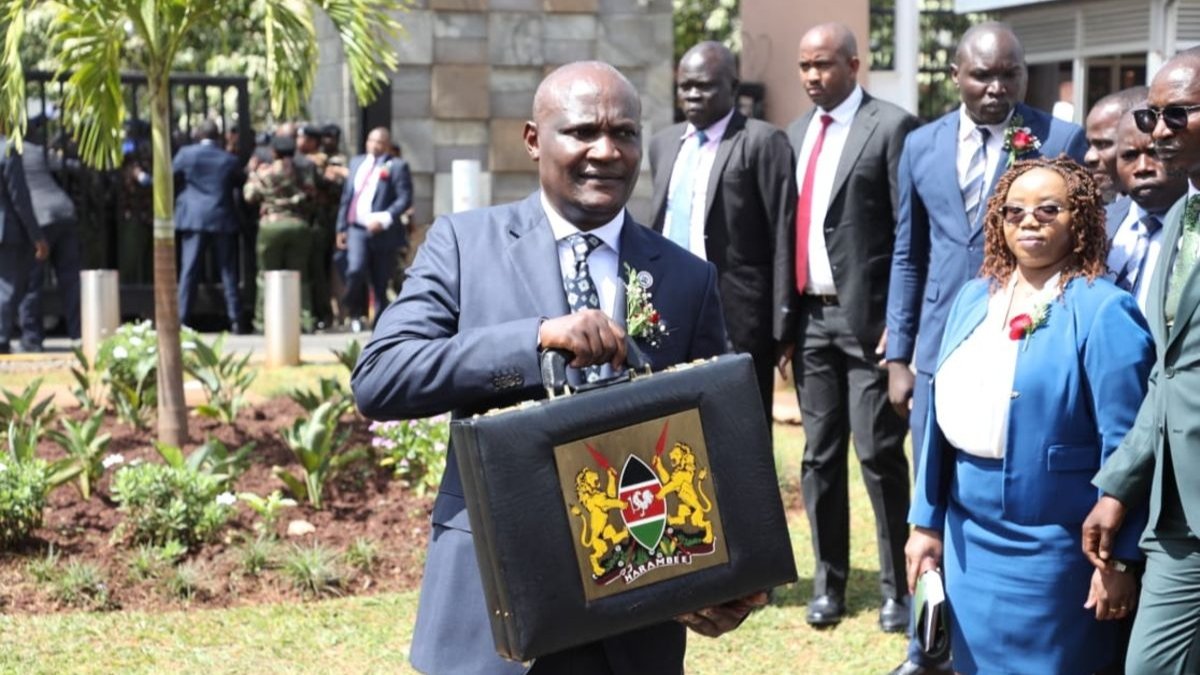
Treasury Cabinet Secretary John Mbadi has announced that the government is proposing to move affordable housing projects from zero-rated Value Added Tax (VAT) status to VAT-exempt status under the Finance Bill 2026.
The stated reason is administrative. Mbadi says the change is aimed at simplifying tax administration and closing loopholes that have made it difficult to verify that tax-incentivised construction materials such as cement and steel are actually being used in affordable housing projects rather than diverted elsewhere.
To most people, zero-rated and VAT-exempt sound identical. They are not.
Under zero-rated status, suppliers charge no VAT to the buyer but can still reclaim the VAT they paid on their own inputs, keeping costs lean across the supply chain. Under exempt status, no VAT is charged at the point of sale either, but suppliers lose the right to claim those input VAT refunds. That unrecovered cost typically gets absorbed into the final price.
For affordable housing developers, the downstream effect is real. Analysis by Financial Sector Deepening Kenya published earlier this year estimated that a shift from exemption to zero-rating would reduce overall project costs by 8 to 10 percent, precisely because zero-rating strips embedded tax out of the supply chain. The Finance Bill 2026 proposes moving in the opposite direction.
Private sector analysts have flagged this. A review by Vellum Kenya noted that the reclassification of affordable housing VAT treatment under the Bill could slow construction-linked manufacturing demand. Developers who cannot recover input VAT on cement, steel, and other materials face tighter margins.
Mbadi acknowledged that the zero-rated status was originally introduced to attract investment into the housing sector, but said the government regularly reviews tax incentives to assess their economic value. The proposed change forms part of broader tax compliance measures in the Finance Bill ahead of the budget reading in Parliament.
The Bill, published on 30 April 2026 and tabled on 5 May, targets raising approximately Ksh 3.63 trillion in revenue for the 2026/2027 financial year against a projected budget deficit of 5.3 percent of GDP.
The affordable housing programme remains a central government commitment. Whether developers can absorb the added input cost burden without passing it on to buyers is a question the Bill does not answer.
Comments (0)
Leave a Comment
No comments yet. Be the first to share your thoughts!