
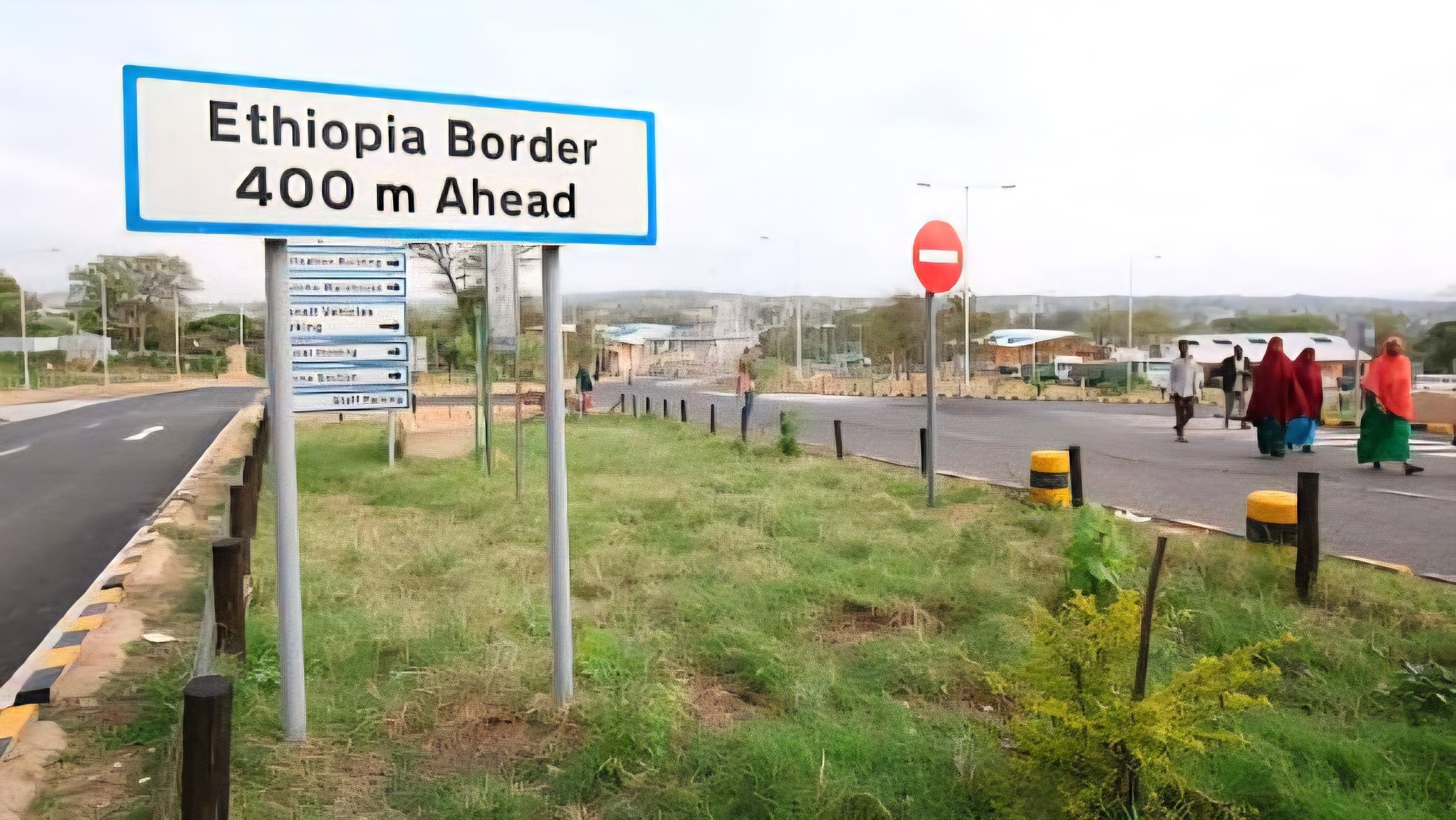

The quiet border town of Tarakea in Tanzania has emerged as a central clearing house for motorbikes stolen from the streets of Nairobi. Criminal syndicates are exploiting porous border points to move hundreds of units across the frontier, where they undergo a mechanical transformation to hide their Kenyan origins.
In these backstreet garages, number plates are swapped, often replaced with those belonging to unrelated or written-off motorbikes. This process makes the stolen property almost impossible to track once it enters the local Tanzanian market or is moved further inland.
Investigative reports indicate that the trade is highly organized. Thieves in Nairobi target specific models, particularly those popular with the city’s thousands of boda boda operators. Once a bike is snatched, it is quickly moved out of the capital to avoid GPS tracking and police checkpoints.
The journey to the border often involves multiple handovers to ensure the original thief is never caught with the bike near the crossing point. By the time the motorcycle reaches Tarakea, its identity is ready for a complete overhaul.
Engine numbers are frequently filed down or altered, and the bikes are fitted with Tanzanian registration documents. These documents are often obtained through fraudulent means or harvested from older motorcycles that are no longer in use.
The residents in Tarakea note that the influx of these bikes has created a thriving secondary market. Buyers are often attracted by the lower prices compared to official dealerships, although many remain unaware of the violent crimes associated with the original theft in Kenya.
The cross-border nature of the syndicate presents a significant challenge for Kenyan authorities. While President Ruto has previously emphasized the need for regional security cooperation, the specific issue of motorcycle smuggling continues to bypass standard customs inspections.
Beyond complete bikes, many stolen units are stripped for parts. High-demand components such as engines, fuel tanks, and tires are sold separately to repair shops across East Africa. This fragmentation ensures that even if a frame is recovered, the most valuable assets have already been liquidated.
For the boda boda operators in Nairobi, the loss of a bike is a devastating financial blow. Most of these motorcycles are acquired through high-interest credit facilities, leaving the riders with mounting debts and no means of earning a living.
Security experts suggest that the lack of a unified regional vehicle registration database allows these syndicates to thrive. Without real-time data sharing between Kenya and Tanzania, a bike reported stolen in Nairobi can be legally registered in a neighboring country within days.
The border at Tarakea remains a preferred route due to its proximity to both Kenyan transit corridors and Tanzanian trade hubs. As long as the demand for cheap transport persists, the black market for Nairobi’s motorbikes appears unlikely to slow down.
Comments (0)
Leave a Comment
No comments yet. Be the first to share your thoughts!