

Kenya, Uganda, and Tanzania will convene a high-level meeting next Thursday to chart the official roadmap for the 2027 Africa Cup of Nations. The joint hosting arrangement, known as the "Pamoja" bid, requires extensive infrastructure coordination across the three East African borders to meet Confederation of African Football (CAF) standards.
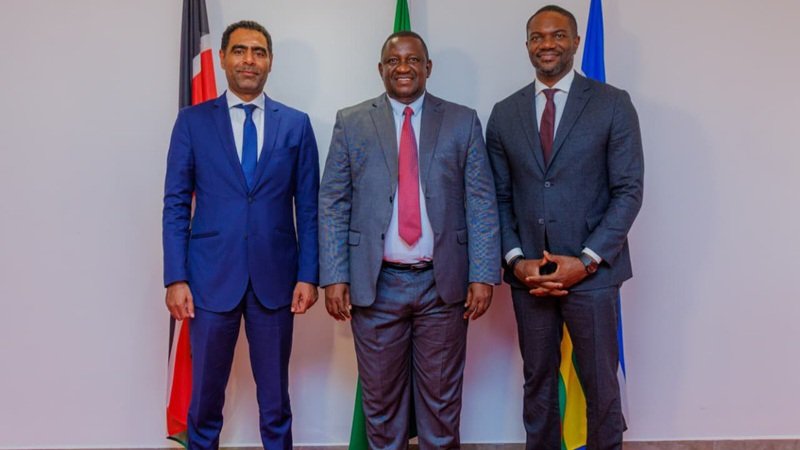
Ababu Namwamba, Kenya's Cabinet Secretary for Youth Affairs, the Creative Economy, and Sports, confirmed the upcoming session while hosting CAF Acting Secretary General Samson Adamu at Talanta Plaza in Nairobi. The discussions are expected to synchronize construction timelines, stadium inspections, and logistical frameworks between the host nations.
Adamu is currently on a specialized inspection tour of the facilities Kenya has proposed for the biennial tournament. These sites include the Kasarani Sports Complex, Nyayo National Stadium, and the site of the upcoming Talanta Sports Stadium. The CAF official’s assessment will inform the technical requirements the three nations must fulfill before the 2027 kickoff.
The Nairobi meeting will bring together sports ministers and technical teams from all three countries. This ministerial session is designed to ensure that the three nations move in lockstep regarding budget allocations and contractor management. Coordination is critical, as CAF mandates specific seating capacities, lighting standards, and pitch qualities for all host venues.
In Kenya, the government has already commenced significant renovation works at Kasarani and Nyayo. These projects aim to modernize the aging facilities, which have faced previous criticism over maintenance. The proposed Talanta Sports Stadium, a dedicated football facility, is a cornerstone of Kenya’s commitment to the joint tournament.
Uganda and Tanzania are also under pressure to upgrade their respective sporting infrastructures. While Tanzania’s Benjamin Mkapa Stadium is already CAF-certified, other venues in the region require extensive overhaul or entirely new construction. The roadmap will likely detail how these projects will be phased over the next three years.
The "Pamoja" bid was awarded by CAF in late 2023, marking the first time the tournament will be hosted across three countries in the region. This geographical spread presents unique challenges for construction and transport infrastructure. Success hinges on the ability of the three governments to deliver high-quality venues simultaneously.
Beyond the pitches, the roadmap must address training grounds and hospitality infrastructure. Each match venue requires several nearby world-class training facilities. The ministerial meeting will address how these smaller-scale construction projects will be distributed and funded across the participating cities.
Samson Adamu’s visit serves as an early audit of the progress made since the bid was won. His feedback to the ministers next Thursday will dictate the urgency of the upcoming construction phases. This oversight ensures that the regional partners do not fall behind the strict CAF delivery schedule.
Journalists and stakeholders expect the finalized roadmap to provide a clear calendar for project completions. With three years remaining, the window for major structural work is narrowing, making the Nairobi deliberations a pivotal moment for the regional sports industry.
Comments (0)
Leave a Comment
No comments yet. Be the first to share your thoughts!