
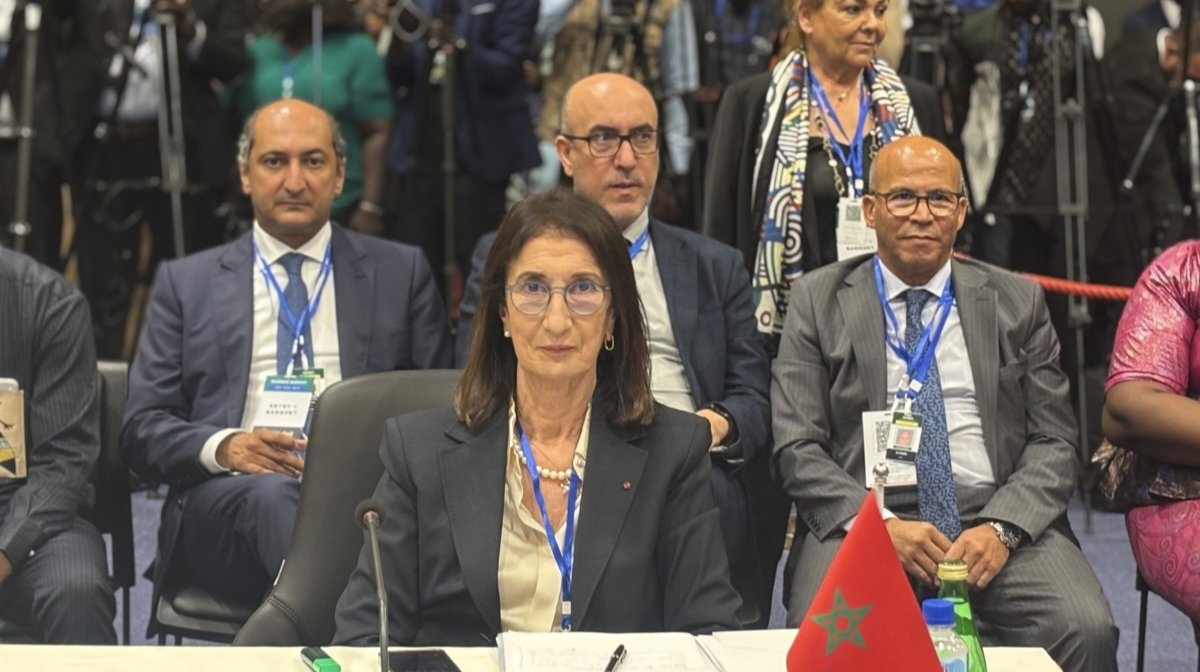

West African leaders have formally endorsed the Nigeria-Morocco African Atlantic Gas Pipeline, signing an intergovernmental agreement on Sunday, July 19, 2026, in Freetown, Sierra Leone. The agreement marks a major step for a project first proposed a decade ago.
The Economic Community of West African States (ECOWAS) confirmed the pipeline will run roughly 6,900 kilometres along a hybrid offshore and onshore route, passing through 13 West African countries before reaching Morocco and connecting to Europe's gas network.
King Mohammed VI of Morocco and former Nigerian President Muhammadu Buhari launched the initiative in 2016, with current Nigerian President Bola Ahmed Tinubu continuing to back the project. It is jointly developed by Morocco's National Office of Hydrocarbons and Mines (ONHYM) and Nigeria's National Petroleum Company (NNPC).
The pipeline is designed to carry up to 30 billion cubic metres of natural gas annually. Of that volume, roughly 15 billion cubic metres a year would be made available to Moroccan and European markets through the existing pipeline linking Morocco to Spain, with the remainder supplying regional demand.
Nigeria's Minister of State for Petroleum Resources, Ekperikpe Ekpo, said the project reflects the country's ambition to move from being a gas-rich nation to a gas-powered economy. Nigeria holds an estimated 215.19 trillion cubic feet of proven natural gas reserves, the largest in Africa.
The next stage of the project is corporate rather than physical. ONHYM and NNPC are expected to establish a jointly owned project company, headquartered in Casablanca, tasked with raising financing and overseeing the construction phase that follows.
Funding for the estimated $25 billion project was initially secured through four memoranda of understanding signed in June 2023. Once built, the African Atlantic Gas Pipeline would rank as the longest underwater gas pipeline in the world, according to project officials.
Topographic surveys in the pipeline's northern section, covering Morocco, Mauritania and Senegal, began earlier this year, according to ETAFAT, the firm overseeing that portion of the work. Officials describe the surveys as already at an advanced stage.
Beyond its energy role, ECOWAS officials have framed the pipeline as a tool for regional integration, intended to support electricity generation, industrialization and broader economic development across the West African countries it will pass through.
Comments (0)
Leave a Comment
No comments yet. Be the first to share your thoughts!