
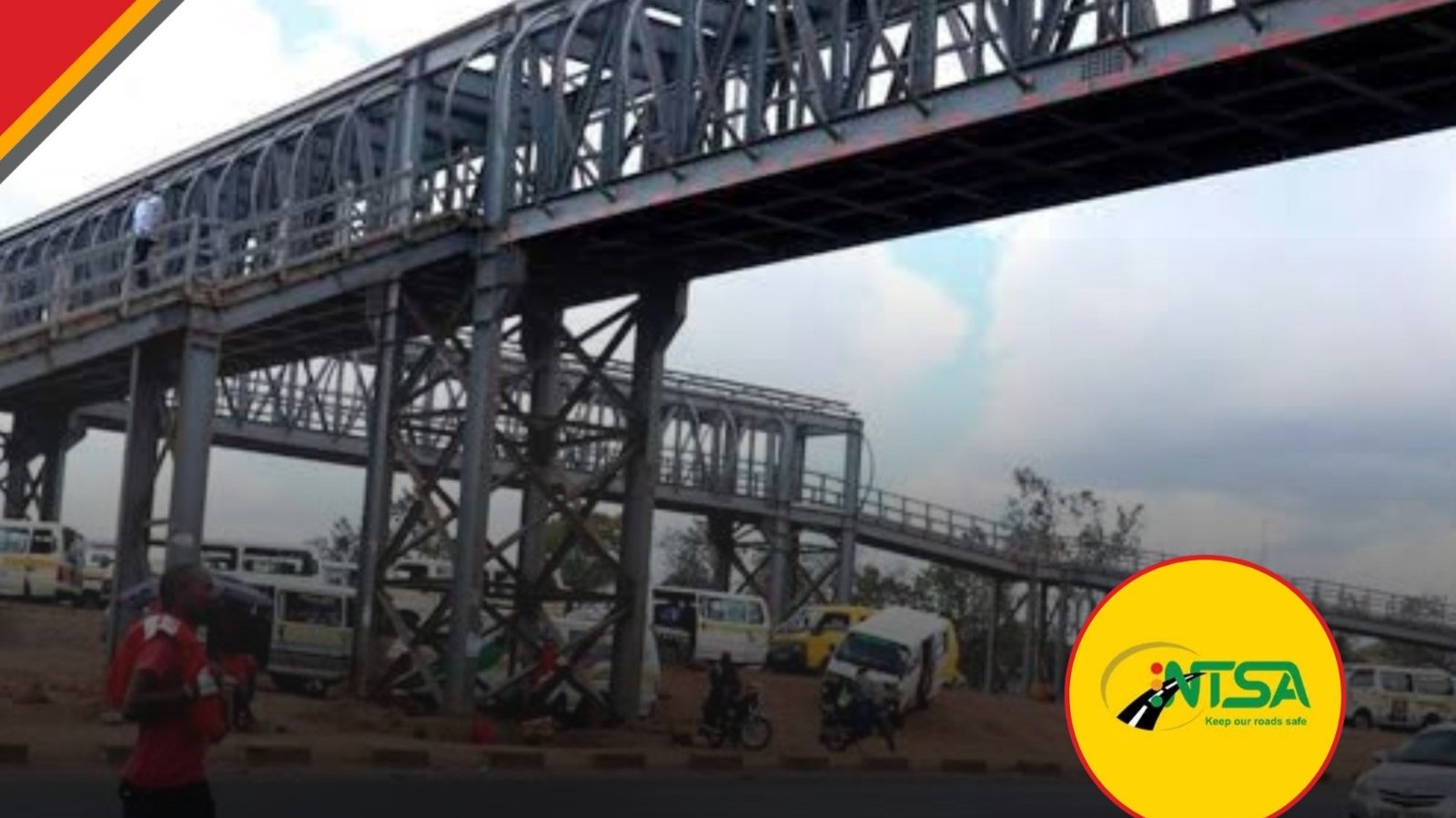

The Allsops footbridge in Nairobi is one of the longer pedestrian structures in the city. Spanning a wide and heavily trafficked section of road, it was designed to provide a safe alternative to at-grade crossing.
Despite its solid engineering and clear safety purpose, many pedestrians still prefer to dodge vehicles on the road below. This behaviour has led to recent enforcement action by the National Transport and Safety Authority, with 22 individuals arraigned for obstructing traffic.
Several factors appear to contribute to the low usage. The bridge’s length requires a significant detour and extra walking time, which many people find inconvenient when in a hurry. For those carrying goods, pushing carts or travelling with children, the climb and distance can be particularly burdensome.
Placement and access points may also play a role. If the bridge is not directly aligned with popular desire lines or major destinations, people are more likely to take shortcuts. Poor lighting or perceived insecurity at certain times could further discourage use.
The design itself has been described as good, with adequate width and railings. However, even well-designed infrastructure can fail if it does not match user behaviour and daily realities on the ground.
Enforcement has been inconsistent. While NTSA and police have recently stepped up action, long-term behavioural change requires sustained presence and public education. Many pedestrians appear willing to take risks rather than use the bridge.
NTSA has noted that pedestrians accounted for 38% of road traffic crashes as of June 2026. Reducing these incidents will need a combination of better infrastructure, stronger enforcement and continuous sensitisation.
Improving footbridge usage could involve adding escalators or lifts, better signage, improved lighting and ensuring direct connections to popular routes. Community engagement in the design and maintenance of such facilities often leads to higher acceptance.
The Allsops case highlights a broader challenge in Nairobi’s road safety efforts. Creating safe infrastructure is only part of the solution. Getting road users to actually use it remains equally important.
The 22 were simply unlucky they got caught.
#ShareBarabara
Comments (0)
Leave a Comment
No comments yet. Be the first to share your thoughts!