

China has supported a number of major infrastructure projects across Africa through grants, aid programmes, concessional financing and direct construction partnerships. Some of these projects have involved government buildings, hospitals, railways and regional institutions. The support has made China one of the most visible foreign partners in Africa’s infrastructure sector.
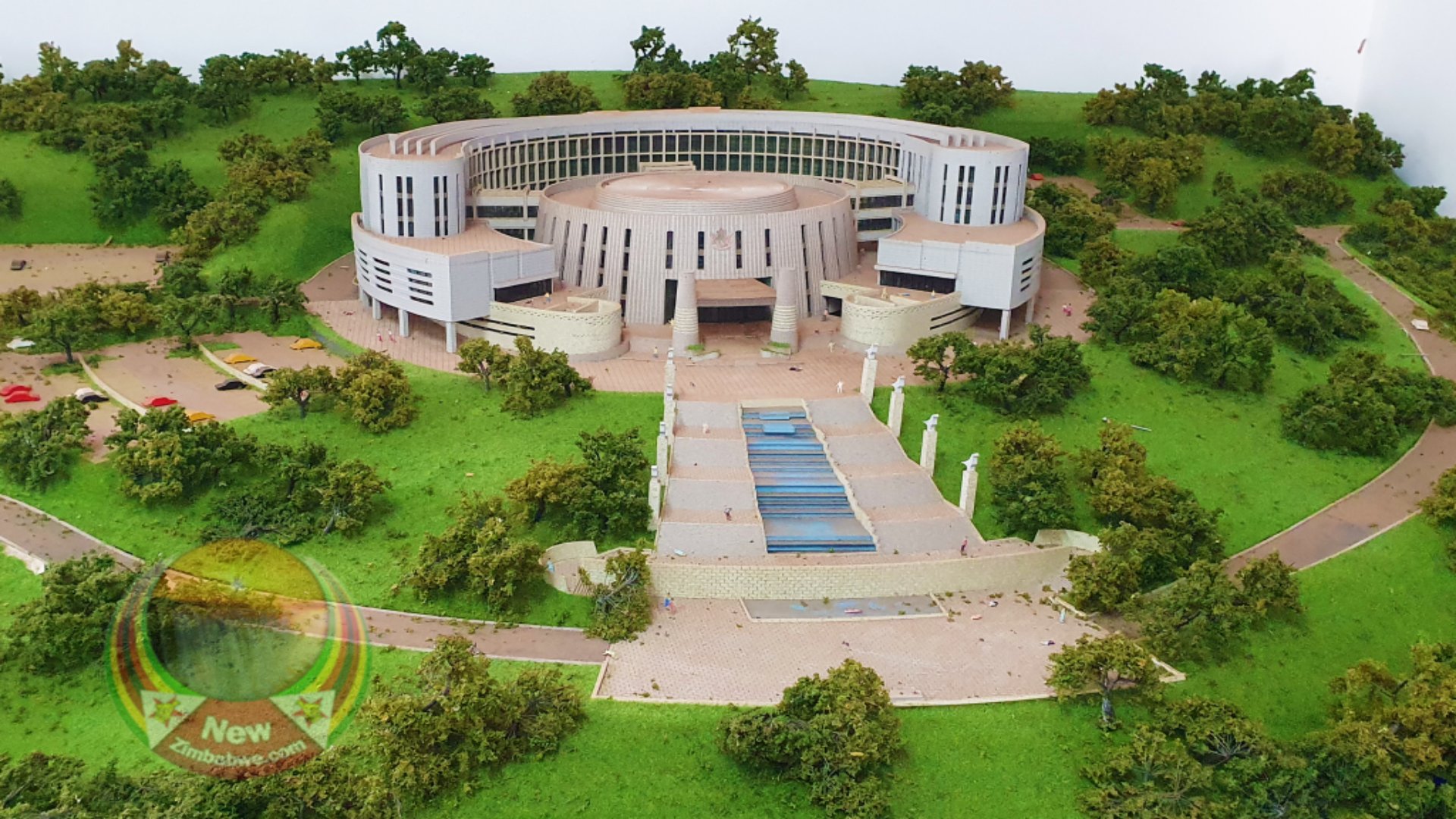
In Zimbabwe, China funded and constructed the country’s new Parliament building at a reported cost of about $200 million. The project was provided as a gift by China and was designed to provide Zimbabwe with a modern facility for its legislative activities. The building has since become one of the country’s notable public infrastructure projects.
China has also supported the construction of the African Union headquarters in Addis Ababa, Ethiopia. The complex, reported to have cost about $200 million, was financed and constructed with Chinese assistance. The headquarters provides space for the African Union and its various departments and has become an important institution for continental cooperation.
In West Africa, China has supported the construction of the new Economic Community of West African States headquarters in Abuja, Nigeria. The project was funded through China’s aid programme to Africa and reportedly cost about $56 million. The facility provides ECOWAS with offices and meeting spaces for its regional operations.
South Sudan is another country where China is involved in a major public infrastructure project. China is funding the construction of the Juba Teaching Hospital, with the project estimated at about $200 million. The hospital is nearing completion and is expected to provide additional facilities for medical treatment, training and other health services in the capital.
China has also played a major role in railway development in East Africa. One of the most prominent examples is the 752-kilometre Addis Ababa-Djibouti Railway, which connects Ethiopia with Djibouti and provides a railway link to the Red Sea. China financed about 70 percent of the project, while Chinese companies were involved in its construction.
The railway has been operating as an important transport route for Ethiopia, particularly for moving goods between the landlocked country and Djibouti. According to figures associated with the railway's operations, it has handled thousands of passenger and freight train journeys since entering service, supporting trade and movement between the two countries.
These projects are part of a wider pattern of Chinese involvement in African infrastructure. Support has covered roads, railways, ports, government buildings, hospitals, power projects and other public facilities. The form of Chinese assistance varies from one project to another, with some projects provided as grants while others involve loans, commercial financing or cooperation between governments and companies.
China's role in Africa's infrastructure development has also attracted debate over financing, debt, project costs and the long-term benefits to host countries. At the same time, many African governments continue to seek Chinese support because of the scale of infrastructure projects that Chinese institutions and companies can finance and construct.
The list of Chinese-supported projects across Africa continues to grow, covering different sectors and countries. From the Zimbabwean Parliament and African Union headquarters to the Juba Teaching Hospital and Addis Ababa-Djibouti Railway, these projects show the range of infrastructure cooperation between China and African countries.
Comments (0)
Leave a Comment
No comments yet. Be the first to share your thoughts!