
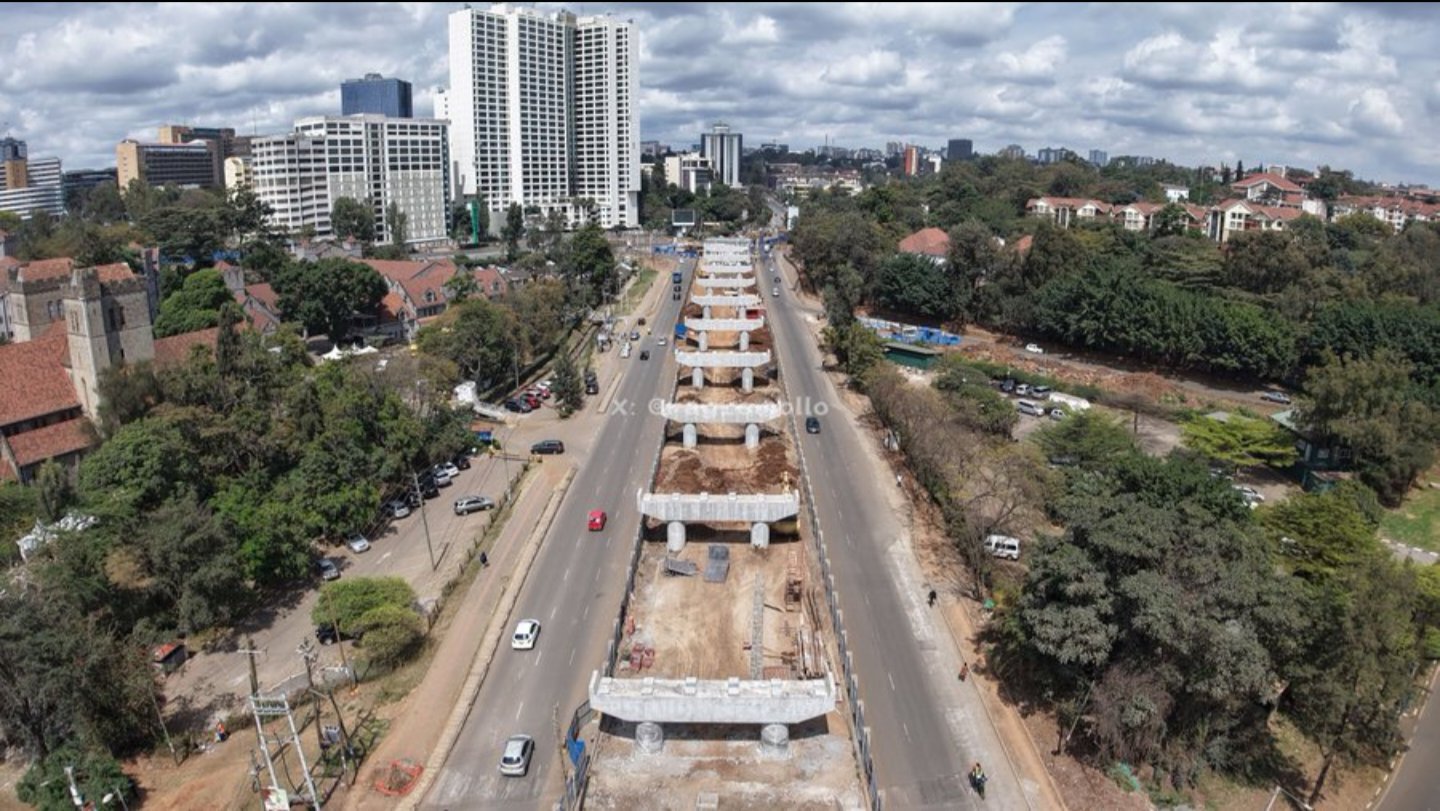

Efficient and reliable transport infrastructure forms the structural foundation of a modern city, enabling seamless movement for commuters and commercial enterprises alike. The state believes this physical connectivity actively dictates urban growth patterns while bolstering underlying economic performance across the metropolitan region.
Principal Secretary for Internal Security and National Administration, Dr. Raymond Omollo (PS), publicly outlined this strategic approach regarding ongoing infrastructure developments within the capital. Modern urban transit networks serve to support expanding business activities and direct long-term commercial expansion across the capital city.
The ongoing transformation of Nairobi relies heavily on upgrading civil engineering corridors to handle rising transit demand. State agencies continue to oversee major civil works, including elevated expressways and arterial road expansions designed to ease severe traffic congestion across the metropolitan area.
Urban mobility remains a critical priority for the national government as commercial hubs expand beyond the traditional central business district. Seamless transit links are viewed as essential mechanisms to unlock real estate value, attract private investment, and ensure predictable logistics for local commerce.
Engineers and urban planners are increasingly focusing on integrating primary transport corridors with secondary access routes. This structural focus ensures that peripheral residential areas gain direct access to main commercial zones, improving overall transit efficiency.
Large-scale road construction projects across the city involve significant structural works, including reinforced concrete piers, elevated viaduct structures, and expanded multi-lane dual carriageways. Construction management teams are actively balancing heavy ongoing traffic flows with rigorous site safety and structural assembly schedules.
The Ministry of Interior and National Administration plays a key coordination role in supporting public infrastructure initiatives, ensuring site security and public safety during major capital projects. Infrastructure safety protocols remain central to protecting both construction personnel and everyday road users.
City planners argue that continuous investment in physical infrastructure remains necessary to sustain Nairobi's status as a regional commercial hub. Well-designed transit networks reduce vehicle operating costs, cut travel times, and support overall labor mobility across the expanding metropolitan area.
Government civil engineering strategy continues to prioritize long-term durability and capacity expansion in urban transport planning. Future project phases will focus on optimizing existing road corridors while implementing modern traffic management technology to sustain urban flow across the region.
Comments (0)
Leave a Comment
No comments yet. Be the first to share your thoughts!