
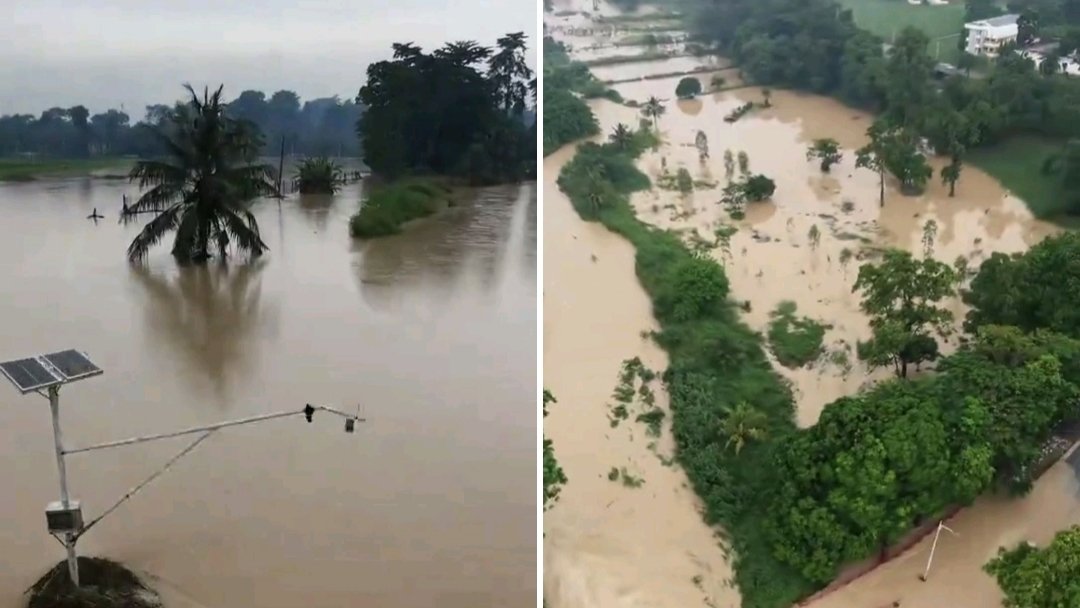

A version of this article appeared on LinkedIn by Agyei Darko.
Kwame Nkrumah University of Science and Technology in Kumasi Ghana experienced flooding on its campus after heavy rains in June. Sections near the Wewe River went underwater yet the event highlighted a deliberate design choice made over 70 years ago rather than a failure.
The university left the river's floodplain and wetlands untouched instead of building concrete channels or developing the area. This allowed floodwaters to spread out slow down and get absorbed naturally. The approach protected buildings infrastructure and lives while supporting the local ecosystem.
Nature-based Solutions harness natural processes such as wetlands floodplains forests riparian buffers green corridors and permeable landscapes. These features help manage flooding in cities across Africa and the Global South. Grey infrastructure like dams drains and levees often proves expensive difficult to maintain and can push problems downstream.
Flood attenuation stands out as one clear benefit. Floodplains and wetlands act as natural sponges. They store excess water and release it slowly reducing peak flows. The KNUST case fits this pattern exactly during the recent rains.
Such systems also adapt well to changing climate conditions. They perform reliably under uncertainty and can scale over time. The university design has worked for 70 years and with proper maintenance should continue for decades more.
Lower long-term costs come with ecosystem restoration and improved livability. Planners avoided heavy engineering expenses while creating spaces that benefit both people and nature.
African cities grow at unprecedented rates. Many still rely on reactive engineering that fights nature. The KNUST example points toward nature-positive planning that works with natural systems.
Planners policymakers developers and educators all share responsibility. They can enforce floodplain zoning invest in urban wetlands restoration and integrate green infrastructure from the start.
The approach shows that protecting natural features does not mean leaving land idle. It represents visionary urban planning whose benefits appear decades later.
Flooding remains a major challenge in rapidly urbanising areas. Heavy rains overwhelm systems built without enough respect for natural water flows. Cases like KNUST offer practical lessons for balancing development and resilience.
Engineers and city authorities in Kenya and across the region often face similar pressures. Incorporating nature-based measures alongside traditional infrastructure could reduce future risks and costs.
The recent flooding at the university served as a live demonstration. Water spread safely across preserved zones without major damage to core facilities. This outcome challenges critics who view any flooding as failure.
Discussions continue on how to scale such solutions faster. Effective projects already exist in various cities. Wider adoption requires coordinated efforts from multiple stakeholders.
Comments (0)
Leave a Comment
No comments yet. Be the first to share your thoughts!