
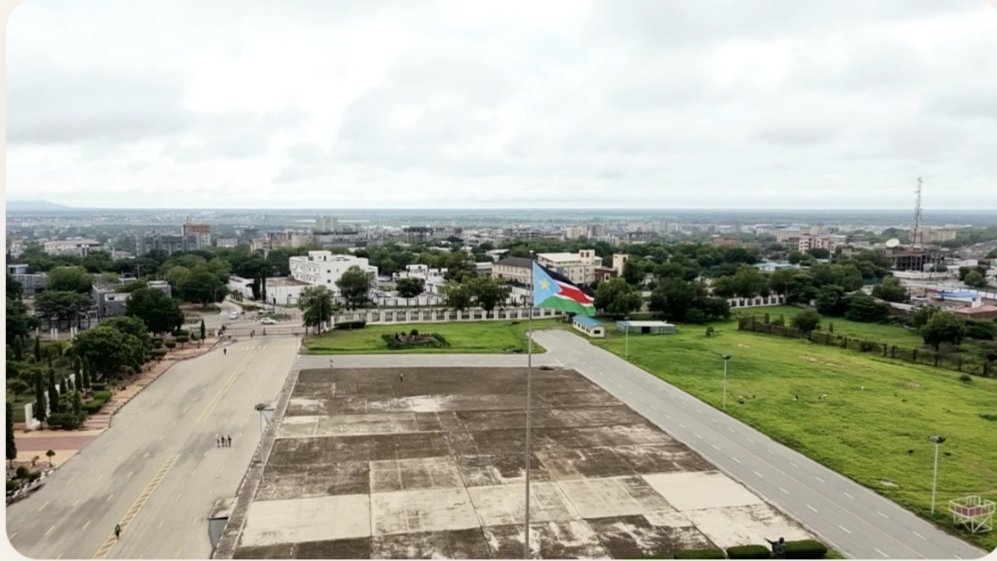

South Sudan is preparing for its first national elections in December 2026, a vote previously postponed in 2022 and 2024. President Salva Kiir has said the country is ready to move beyond the transitional arrangement established under the 2018 revitalised peace agreement.
In an interview, Kiir noted that citizens want to elect their leaders and leave the transition behind. The current power-sharing structure includes five vice-presidents and a large legislature. While the arrangement helped secure peace after years of conflict, officials now describe it as resource-heavy and difficult to sustain.
Minister of Presidential Affairs Africano Mande Gedima said the transitional government has outlived its original purpose. The December election is expected to produce a leaner legislature, freeing funds for public services and development. Mande acknowledged that the transition brought both stability and competing interests that slowed decision-making.
Economically, South Sudan remains heavily dependent on oil, which accounts for the bulk of export earnings and government revenue. Officials are seeking to attract foreign investment and diversify into other sectors, including tourism. In July 2026 the Boma-Badingilo Migratory Landscape was inscribed as a UNESCO World Heritage Site in recognition of its intact ecosystem and large mammal migration.
Nile Petroleum Corporation managing director Emmanuel Athiei Ayual said production potential exists but requires greater stability and investor confidence. Minister Mande urged potential investors to look beyond negative narratives and assess the country on current realities.
The elections are viewed as a test of whether South Sudan can consolidate the relative calm of recent years and shift from a compromise transitional model to an elected government with clearer lines of accountability. Successful polls and subsequent institutional reforms would be important signals for both domestic constituencies and external partners.
For neighbouring states and regional trade, a more stable South Sudan could improve cross-border commerce and reduce security spill-overs. The outcome of the December vote will therefore be watched closely across East Africa.
Comments (0)
Leave a Comment
No comments yet. Be the first to share your thoughts!