
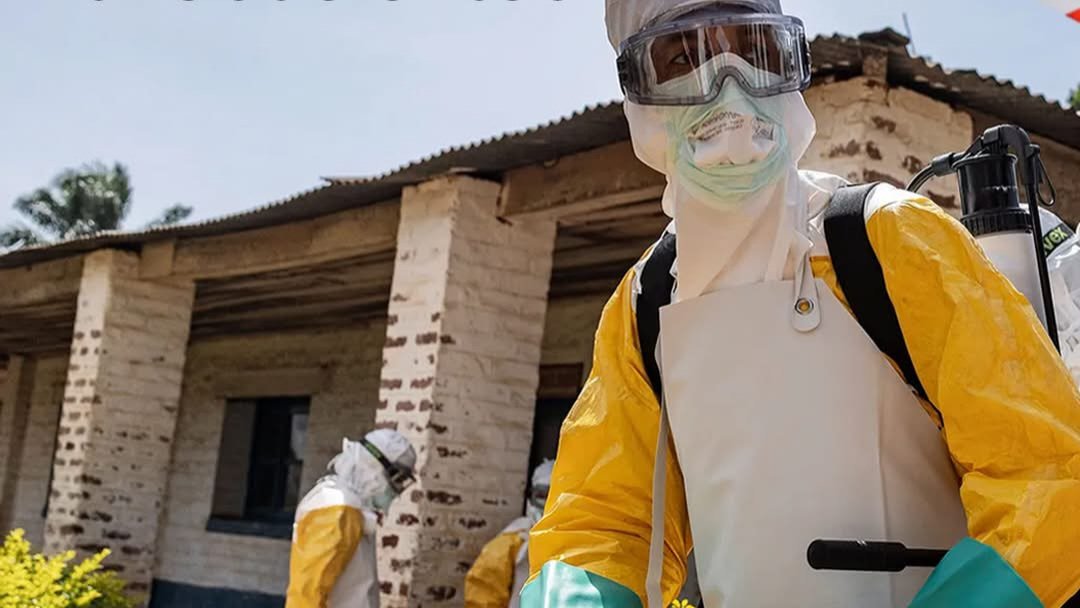

An aggressive strain of the Ebola virus is moving rapidly through eastern Africa, exposing deep fractures in the international health systems built to manage such crises. Frontline medical responders are operating under extreme constraints, if they can even secure basic medical supplies.
The immediate challenge centers on a specific viral strain for which there is no current vaccine or treatment protocol. Surveillance networks failed to flag the initial transmission, meaning the virus circulated quietly for months before medical authorities confirmed its presence in rural communities.
International response frameworks are struggling to fill the void left by massive financial reallocations. In early 2025, the United States (US) government halted its financial contributions to the World Health Organization (WHO), a decision that forced immediate staff reductions across regional monitoring offices.
Further complications emerged when the US permanently canceled a vast majority of foreign aid contracts, a move tied directly to the formal dissolution of the United States Agency for International Development (USAID). That structural shutdown resulted in the layoffs of thousands of specialized emergency personnel.
With disease surveillance networks weakened by these abrupt closures, field teams lack the diagnostic tools and protective equipment required for safe containment. Local containment infrastructure has degraded to the point where frontline workers cannot monitor contact chains effectively.
A health ministry official noted that local intervention teams are attempting to rebuild containment protocols from scratch, but the loss of institutional memory is stymied by a lack of operational funds. Essential monitoring equipment remains stuck in procurement bottlenecks.
Regional cross-border coordination has also slowed down significantly, although health desks are attempting to share basic tracking data. The lack of integrated data systems across regional borders means infected individuals can move undetected between high-risk zones.
Alternative financing mechanisms have not materialized to fill the massive budget deficit left by the exit of major bilateral donors. Other traditional donor nations have similarly reduced their global health development allocations, leaving local authorities to manage the expanding epidemic largely on their own.
Emergency funding tranches released recently by international agencies represent only a small fraction of what field operations require, if regional authorities hope to stop the virus from entering major urban transport hubs. The current containment deficit leaves adjacent territories exposed to sudden cross-border transmission.
Medical personnel are now relying heavily on rudimentary isolation structures to manage the patient influx, but these rural facilities lack the robust physical security parameters needed for biohazard containment. The systemic breakdown underscores the high stakes of dismantling global health protection infrastructure before domestic networks can self-finance.
Comments (0)
Leave a Comment
No comments yet. Be the first to share your thoughts!