

Somewhere in Gigiri, a six-floor commercial office building called Eaton Place has been quietly operating since 2015 with systems designed to use 75% less artificial light and cut wastewater generation by half. Most people driving past it have no idea. That is partly the story of green architecture in Kenya: it exists, it is growing, and almost nobody outside the industry is talking about it.
Kenya currently has 89 green certified buildings, placing it among the more active markets for sustainable construction on the continent. By March 2025, the country had surpassed one million square metres of certified space under the EDGE certification system alone, spanning residential and commercial buildings, hotels, and hospitals. Those are not insignificant numbers for a market that was essentially starting from zero two decades ago.
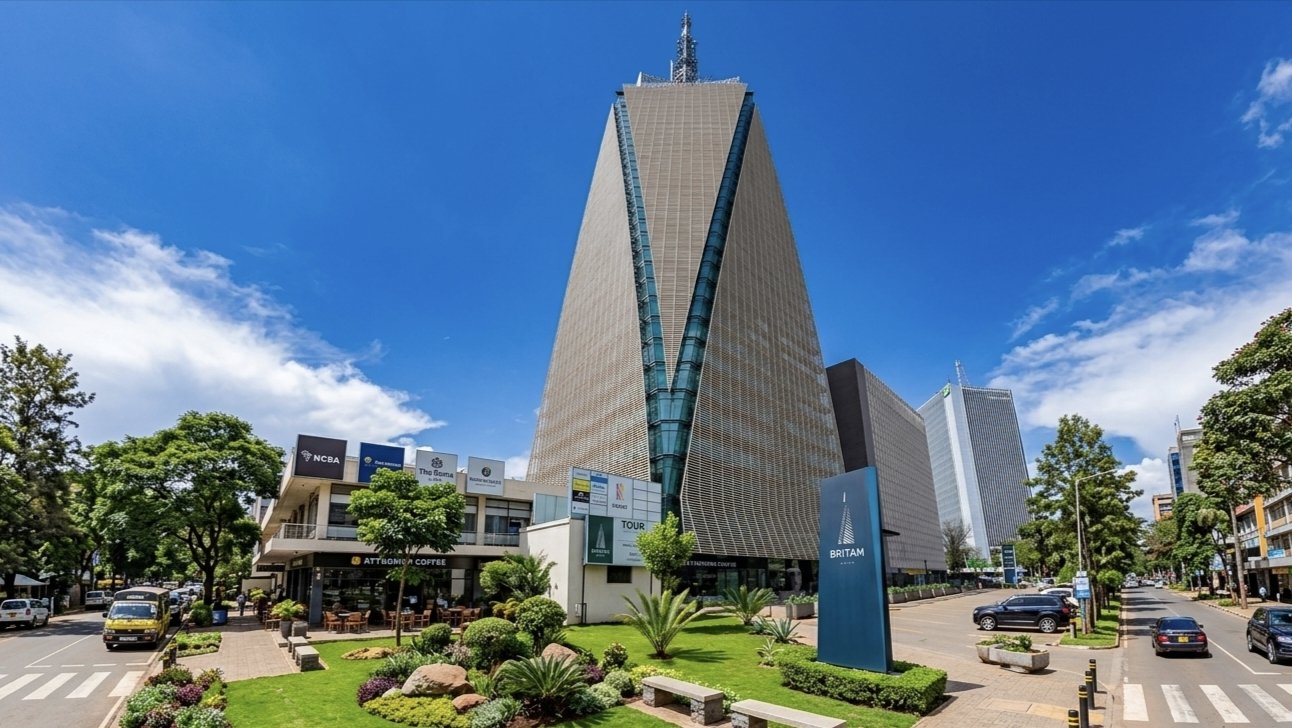
The buildings driving those figures are concentrated among a specific type of developer. Britam Tower in Upper Hill was the first EDGE certified building in Kenya, receiving certification in June 2018 for achieving 39% energy savings, 50% water savings, and 38% less embodied material energy. Vienna Court in Kilimani holds the distinction of being the first LEED Gold certified development in Kenya, having achieved a 62% reduction in energy consumption and 40% reduction in water consumption. The Promenade in Westlands achieved EDGE certification in November 2020, recording 27% energy savings and 52% water savings.
These are Grade A commercial office buildings targeting multinational tenants, development finance institutions, and corporate occupiers with sustainability mandates from their global headquarters. The green certification is, in many cases, a leasing requirement rather than a voluntary design philosophy. That distinction matters when reading the 89-building figure.
The Kenya Green Building Society has developed the Safari Green Building Index, a rating tool adapted specifically to Kenya and the East African region's unique climatic conditions, construction practices, and cultural context. The intent behind a locally calibrated tool is sound. International systems like LEED were built around North American construction realities and carry compliance costs that are difficult to absorb on smaller or community-driven projects. A local index that makes certification accessible to a broader range of developers would change the shape of the market considerably.
Urban Green Consultants, a Nairobi-based firm, delivered East Africa's first LEED certified project and has since led more than 100 sustainable developments across 14 countries, holding the region's only LEED Platinum certification. The technical expertise exists locally. What remains uneven is whether that expertise is reaching beyond the upper tier of the commercial market.
The UNEP Nairobi building features six thousand square metres of solar panels, making it the first solar-powered UN office in the world. It sits within a diplomatic and institutional enclave that operates under different procurement and funding rules from the broader Kenyan construction market. Its existence says something about what is possible. It says less about what is typical.
Strathmore Business School has been recognised as the Best Green Building Development in Africa, an acknowledgement that locally conceived, institution-led projects can reach the highest certification levels without being driven by international corporate tenants. That example points toward where the next phase of Kenya's green building story could come from: universities, hospitals, county government buildings, and mid-market residential developers who are beginning to understand that energy efficiency reduces operating costs regardless of what a certification plaque says.
Commercial banks, including KCB Group, Stanbic, Standard Chartered, and Absa have launched sustainability-linked lending products and green loan programmes, creating a financing pathway that did not exist even five years ago. If those products reach developers below the Grade A tier, the certified space figure will look very different by the end of the decade.
For now, green architecture in Kenya is real, technically competent, and increasingly well-financed at the top. The quieter question is whether the momentum stays concentrated where it started, or whether the next 89 buildings look nothing like the first.
Comments (2)
Leave a Comment
Kiilu Kiluku ✓
Apr 28Fancy
Apr 21