

Every year on July 11, World Population Day highlights global demographic trends. In 2026, the United Nations (UN) marks this under the theme, "Realizing the Hopes and Aspirations of Young People – Today and for the Future," focusing on how cities influence youth decisions about housing and education.
The global campaign relies on "Lives, Choices and Futures," a survey of over 108,000 young adults across 73 countries. It highlights the direct connection between demographic shifts and the spatial conditions of modern cities.
This year, data from the World Population Review (WPR) reveals the twenty largest cities globally. These rankings represent highly populated urban agglomerations, showing annual growth rates compared to the previous year.
Because global boundary definitions vary widely, population numbers are not always directly comparable across regions, although suburban sprawl can heavily alter these rankings under different metropolitan metrics.
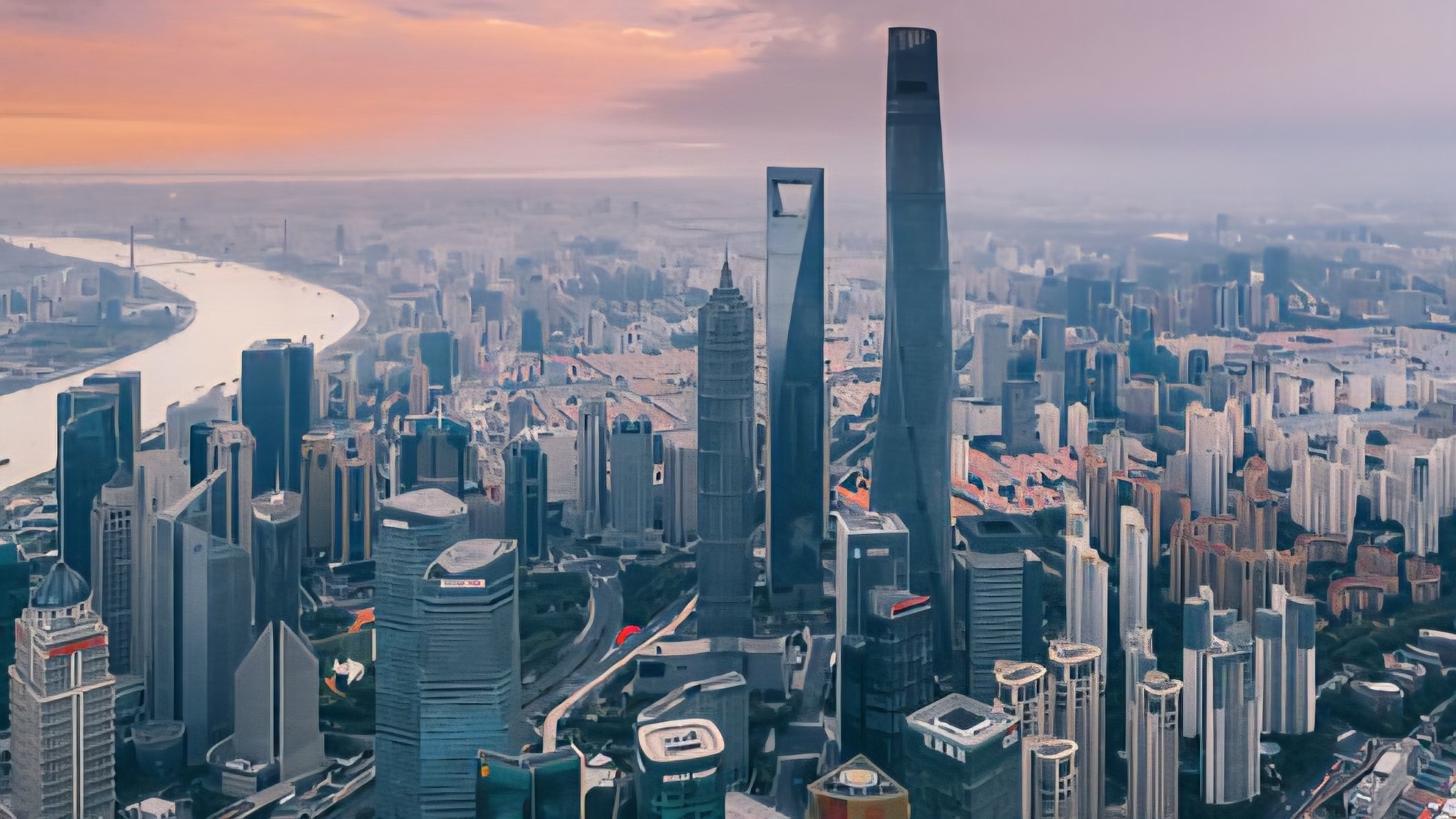
Looking at the data, Shanghai leads global urban centers with over 24.7 million residents. East Asian and South Asian cities dominate the top ranks, with China and India hosting multiple cities of over 15 million people.
1. Shanghai, China. Population: 24,722,254 (1.93% growth)
2. Delhi, India. Population: 23,390,383 (2.42% growth)
3. Kinshasa, Democratic Republic of the Congo (DRC). Population: 21,852,144 (5.13% growth)
4. Mumbai, India. Population: 21,782,818 (1.13% growth)
5. Beijing, China. Population: 21,571,693 (2.06% growth)
6. Karachi, Pakistan. Population: 21,243,390 (4.03% growth)
7. Shenzhen, China. Population: 20,622,629 (2.64% growth)
8. Guangzhou, China. Population: 18,515,410 (2.23% growth)
9. Kano, Nigeria. Population: 17,510,247 (3.16% growth)
10. Chengdu, China. Population: 15,831,571 (2.44% growth)
11. Istanbul, Turkiye. Population: 15,791,519 (0.29% growth)
12. Bengaluru, India. Population: 15,565,994 (4.1% growth)
13. Kolkata, India. Population: 15,440,671 (0.63% growth)
14. Lagos, Nigeria. Population: 14,881,845 (2.38% growth)
15. Lahore, Pakistan. Population: 14,062,745 (2.64% growth)
16. Moscow, Russia. Population: 13,399,945 (0.95% growth)
17. Chennai, India. Population: 13,109,989 (2.81% growth)
18. Jakarta, Indonesia. Population: 12,545,537 (1.68% growth)
19. Tianjin, China. Population: 12,361,093 (1.8% growth)
20. Johannesburg, South Africa. Population: 12,043,175 (2.88% growth)
African cities also show rapid growth. Kinshasa, which is the capital of the DRC, ranks third globally with a growth rate of 5.13 percent. Nigerian cities Kano and Lagos also show high growth, standing at 3.16 percent and 2.38 percent respectively.
Johannesburg represents South Africa in twentieth place with over 12 million residents and a growth rate of 2.88 percent. These rapid expansion rates highlight the urgent infrastructure demand across the African continent.
As populations concentrate in these giant metropolitan zones, planners and engineers face intense pressure to build sustainable housing, roads, and utilities. Managing such scale requires highly coordinated regional planning.
With urbanization continuing to reshape these hubs, the focus remains on accommodating millions of new residents annually. Providing stable services and strong infrastructure is the central challenge for these expanding cities.
In contrast, some cities like Istanbul show much slower growth. The Turkish metropolis grew at just 0.29 percent, reflecting different demographic trends compared to rapidly expanding hubs in South Asia and Africa.
Indian cities like Delhi and Bengaluru continue to see strong annual growth above two and four percent. This expansion highlights the shifting global economic and demographic gravity towards developing Asian economies, which face increasing infrastructure demands.
Comments (0)
Leave a Comment
No comments yet. Be the first to share your thoughts!