
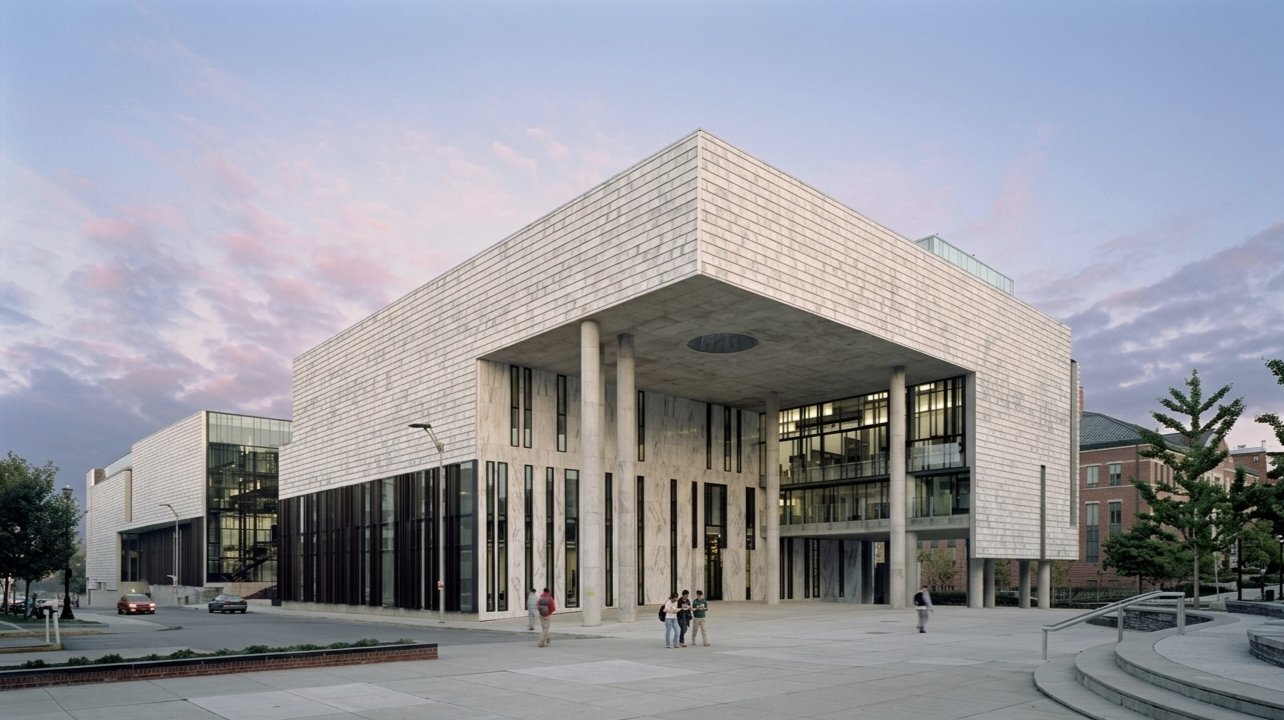

The administrative landscape of Berlin has shifted in favor of one of its most polarizing landmarks. The Mäusebunker, a concrete structure originally built for animal research, has officially received heritage protection status.
This decision comes after years of debate regarding the future of the site. For a long period, it appeared that the building would be leveled to make room for modern developments.
Local authorities and the public were deeply divided over the building's aesthetic value. Critics often described the facility as a visual burden on the city's skyline.
However, a grassroots movement emerged to defend the laboratory. A formal petition gathered ten thousand signatures, urging the government to recognize the architectural significance of the site
The building is characterized by its heavy concrete exterior and distinctive angular projections. These features are hallmarks of the brutalist movement, which flourished in the 1970s
Journalistic reports in the city often mocked the structure's appearance. One local tabloid recently published a headline stating that the city's ugliest building is now protected.
Preservationists argue that beauty is not the primary criterion for historical status. They maintain that the Mäusebunker represents a specific era of government-funded scientific infrastructure.
The structure was formerly operated by the Charité hospital system. Its original purpose was specialized, requiring a design that focused heavily on internal environmental control.
The cost of demolition was also a factor in the ongoing discussion. Tearing down massive reinforced concrete structures presents significant logistical and financial challenges.
With the heritage status now in place, the owners must find a new use for the facility. Any future renovations must comply with strict regulations to maintain the original facade.
Global interest in brutalist architecture has seen a resurgence in recent years. Many younger architects see these concrete giants as vital links to a bold, experimental past.
The Mäusebunker stands as a reminder of a period when aesthetics were often secondary to function. Its survival marks a shift in how Berlin values its diverse architectural history.
Future plans for the site remain under review by city planners. Finding a balance between preservation and modern utility will be the next major task for the city.
The success of the petition shows that public opinion can influence urban planning. Even structures viewed as eyesores by some can hold deep meaning for the community at large.
Comments (0)
Leave a Comment
No comments yet. Be the first to share your thoughts!