
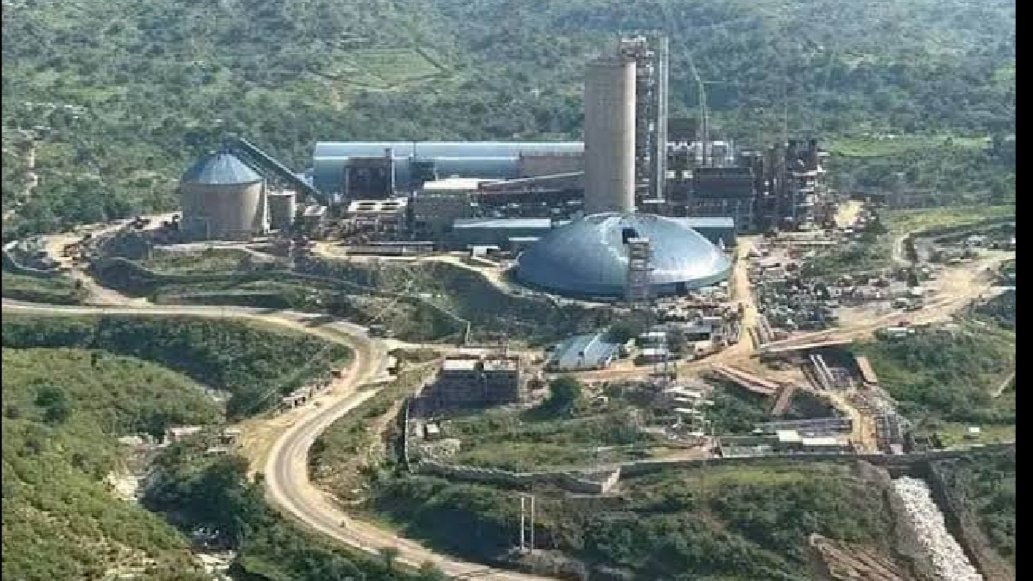

Devki Group’s new clinker plant in West Pokot has significantly altered Kenya’s cement industry dynamics. With a capacity of 6 million tonnes per year, the facility roughly matches the country’s entire national clinker requirement of around 5 million tonnes annually. The development reduces the need for imports from the Middle East and positions Kenya as a potential net exporter to Uganda, Rwanda, and Burundi.
Clinker is the key intermediate product in cement manufacturing. Local production at this scale promises substantial foreign exchange savings. Previously, Kenya imported large volumes to meet demand, putting pressure on the dollar. The West Pokot plant supports import substitution while generating new revenue streams through regional exports.
The cement industry plays a critical role in Kenya’s construction boom. Infrastructure projects, housing programmes, and private developments drive consistent demand. Reliable local supply can moderate price volatility and support faster project delivery. Devki’s investment demonstrates continued private sector confidence in the sector.
West Pokot’s strategic location offers logistical advantages for serving both domestic and regional markets. Improved connectivity through road upgrades in northern Kenya could further enhance distribution efficiency. The plant’s operations will also create direct and indirect employment in a region seeking economic opportunities.
Kenya’s construction sector has grown steadily, supported by government flagship projects and private investment. Local clinker capacity reduces vulnerability to global supply disruptions and currency fluctuations. Industry players expect the additional production to ease supply constraints and potentially stabilise prices over time.
The development aligns with broader industrialisation goals. Increasing local value addition in key materials supports economic resilience. As East Africa’s construction activity expands, Kenyan producers are well-placed to capture a larger share of the regional market.
Challenges remain in fully integrating the new capacity. Logistics, power supply, and market absorption will determine optimal utilisation. However, the scale of the investment signals long-term commitment to the sector.
Comments (0)
Leave a Comment
No comments yet. Be the first to share your thoughts!