
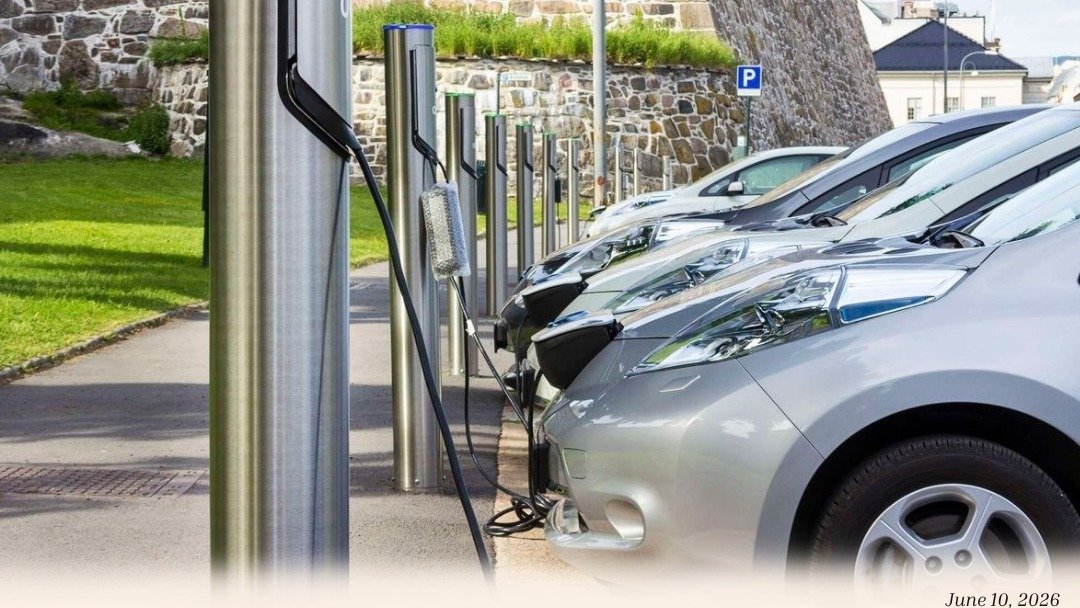

Simba Corp has invested Sh1 billion to expand its fast-growing electric vehicle assembly line at its facility in Kenya. The move marks a significant commitment to the country's emerging electric mobility sector as the company positions itself to meet rising demand for clean transport solutions.
The investment will upgrade production capacity and modernise the assembly infrastructure at Simba Corp's plant. The company confirmed it will begin assembling its own electric vehicle models at the facility, marking a shift from importing finished vehicles to local manufacturing.
Simba Corp plans to start with passenger cars before expanding production into trucks and buses. This phased approach allows the company to test market response and build technical expertise before tackling larger commercial vehicles.
The electric vehicle assembly line represents a strategic pivot for Simba Corp, which has traditionally focused on shipping and logistics operations. The company sees electric mobility as a growing market opportunity aligned with Kenya's clean energy transition goals.
Kenya has been pushing for electric vehicle adoption through policy incentives and infrastructure development. The government aims to reduce carbon emissions from transport while lowering fuel import costs that strain the national economy.
Electric vehicle assembly in Kenya remains a nascent industry with limited local manufacturers. Simba Corp's investment could set a benchmark for other companies considering similar moves into the electric mobility space.
The Sh1 billion investment comes at a time when global automotive manufacturers are increasingly focusing on electric vehicles. Several multinational companies have announced plans to enter the African electric vehicle market in coming years.
Simba Corp did not disclose the expected production volumes or timeline for when assembled vehicles will reach customers. The company will provide further details on the expansion plans in the coming months.
The facility's location and technical specifications were not revealed in the announcement. Industry observers say the plant's capacity and supply chain capabilities will determine Simba Corp's competitiveness in the regional electric vehicle market.
Electric vehicles in Kenya face challenges including limited charging infrastructure, higher upfront costs compared to conventional vehicles, and concerns about battery replacement expenses. The government has introduced tax incentives to make electric vehicles more affordable for consumers.
Simba Corp's entry into electric vehicle assembly could help address supply constraints and potentially lower prices for consumers. Local assembly typically reduces costs compared to importing fully assembled vehicles.
The investment aligns with Kenya's broader economic development goals under the affordable housing and industrialisation programmes. Manufacturing growth in the transport sector supports job creation and technological capacity building.
Comments (0)
Leave a Comment
No comments yet. Be the first to share your thoughts!