

Jared Mwanduka recently drew attention to an emerging approach in Kenya that repurposes plastic waste.
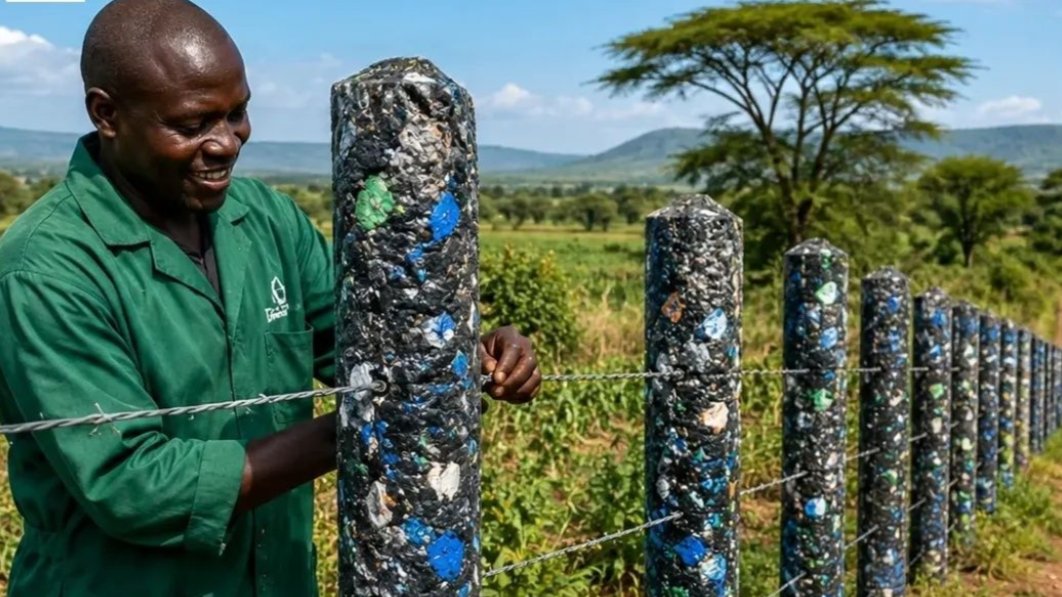
Recycled plastic fence posts are stepping in where wooden ones once dominated. The shift targets rural farming regions where traditional fencing has long relied on timber.
This method addresses two persistent issues at once. It diverts plastic from the environment and slows the rate at which trees are cut for posts.
Farmers gain access to fencing described as stronger and longer-lasting than conventional wood. The material stands up better to weather and wear, potentially reducing replacement frequency.
Mwanduka frames the development as straightforward yet effective. Plastic waste receives new utility rather than ending up as pollution. Communities see gains in both environmental protection and practical infrastructure.
Deforestation pressures in parts of rural Kenya have been notable, particularly where agricultural expansion and fuel needs intersect. Replacing wooden posts with recycled alternatives offers one route to ease that strain on forests and associated wildlife habitats.
The initiative aligns with broader efforts across Kenya to manage plastic waste. Local innovators and enterprises have explored various recycling streams, from paving materials to construction products, though scale remains a challenge.
Mwanduka notes that sustainability advances when innovation connects directly with everyday local requirements. In this case, the solution supports agriculture while tackling waste.
Observers in related discussions point to potential for job creation in collection, processing and manufacturing. Such circular approaches can generate economic activity around what was previously discarded material.
Challenges persist in Kenya’s waste management landscape. Collection systems, sorting infrastructure and consistent supply for recycling still vary by region. Yet targeted applications like fencing demonstrate feasible pathways.
The posts are presented as weather-resistant and robust, qualities valued in farming contexts exposed to sun, rain and physical stress. This durability could translate into cost savings over time for users.
Mwanduka’s post received positive reactions from commenters who praised the dual environmental benefits and called for wider adoption. Some referenced similar efforts elsewhere in Africa and urged stronger collaboration between waste handlers and manufacturers.
Kenya generates significant volumes of plastic waste annually, much of it from packaging and consumer goods. Finding productive outlets remains a priority for reducing landfill use and open dumping.
Initiatives that convert waste into construction or agricultural products fit into national conversations around green growth and circular economy principles. While not a complete solution, they contribute incremental progress.
The example underscores how small-scale recycling ideas can deliver measurable effects. By rethinking waste as a resource, such projects support both ecological balance and rural livelihoods.
Comments (0)
Leave a Comment
No comments yet. Be the first to share your thoughts!