
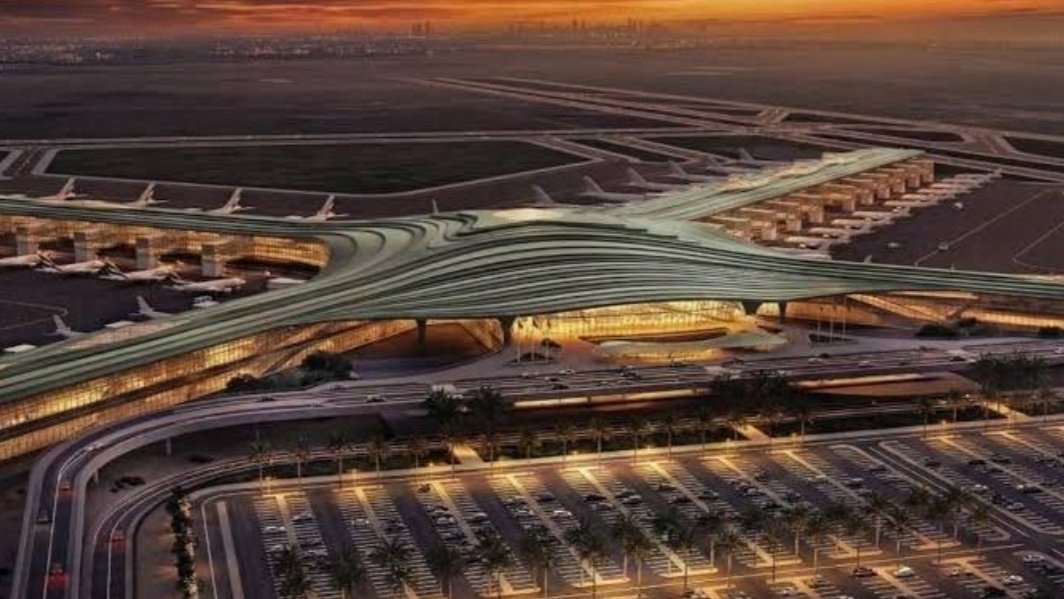

The government has abandoned plans to build a second runway at Jomo Kenyatta International Airport. Transport Cabinet Secretary Davies Chirchir cited cost considerations and adequate current capacity as the main reasons.
The move marks a departure from the original JKIA Development Masterplan prepared by consultant Dar Sidara. That plan included a new terminal and a second runway to handle growing aircraft movements.
Chirchir said the existing runway serves the airport well for now. It features two rapid exits and a terminal exit. The strip can manage up to 25 take-offs and 40 landings per hour. Current demand remains well below those limits.
“We’re not about to reach that until 2029,” Chirchir said. Building another runway now would mean borrowing money for an asset not immediately required.
The consultant had warned that the current runway could reach limits by 2027 or 2029 under mixed operations. Dar Sidara recommended a parallel runway measuring 4,117 metres long and 75 metres wide to accommodate larger aircraft.
JKIA recorded average figures of two landings and 24 take-offs per hour in 2024. Projections show growth to over 32 arrivals and 34 departures by 2029. A single runway could then cause delays and congestion.
Past incidents demonstrated vulnerabilities. In 2023 a Singapore Airlines cargo plane stalled on the runway after a bird strike. The airport shut for hours with flights diverted to other cities. A similar four-hour closure occurred in 2022 when a Fly540 aircraft had mechanical issues.
Regional peers maintain second runways. Entebbe in Uganda has a shorter secondary strip for smaller aircraft. Dar es Salaam also operates with two runways of differing lengths.
Dropping the second runway reduces project costs significantly. The upgrade now stands at Sh154 billion. Earlier proposals under the Adani concession reached Sh260 billion and included more extensive works.
The revised plan focuses on a new terminal to boost passenger capacity beyond 22 million annually. Existing facilities will also see renovations. Financing will come through a loan, making cost control a priority.
Chirchir emphasised prudent use of borrowed funds. Paying interest on underutilised infrastructure does not align with sound project finance principles.
The decision reflects a balance between immediate needs and long-term planning. Officials say the single runway can operate safely until beyond 2029 with upgrades. A second strip may still become necessary later.
JKIA remains Kenya’s primary international gateway. Passenger traffic has grown steadily despite global challenges. The airport plays a critical role in the country’s aviation and economic ambitions.
The masterplan review shows flexibility in response to financial realities. Further details on the terminal design and timeline will emerge as the project advances.
Comments (0)
Leave a Comment
No comments yet. Be the first to share your thoughts!