
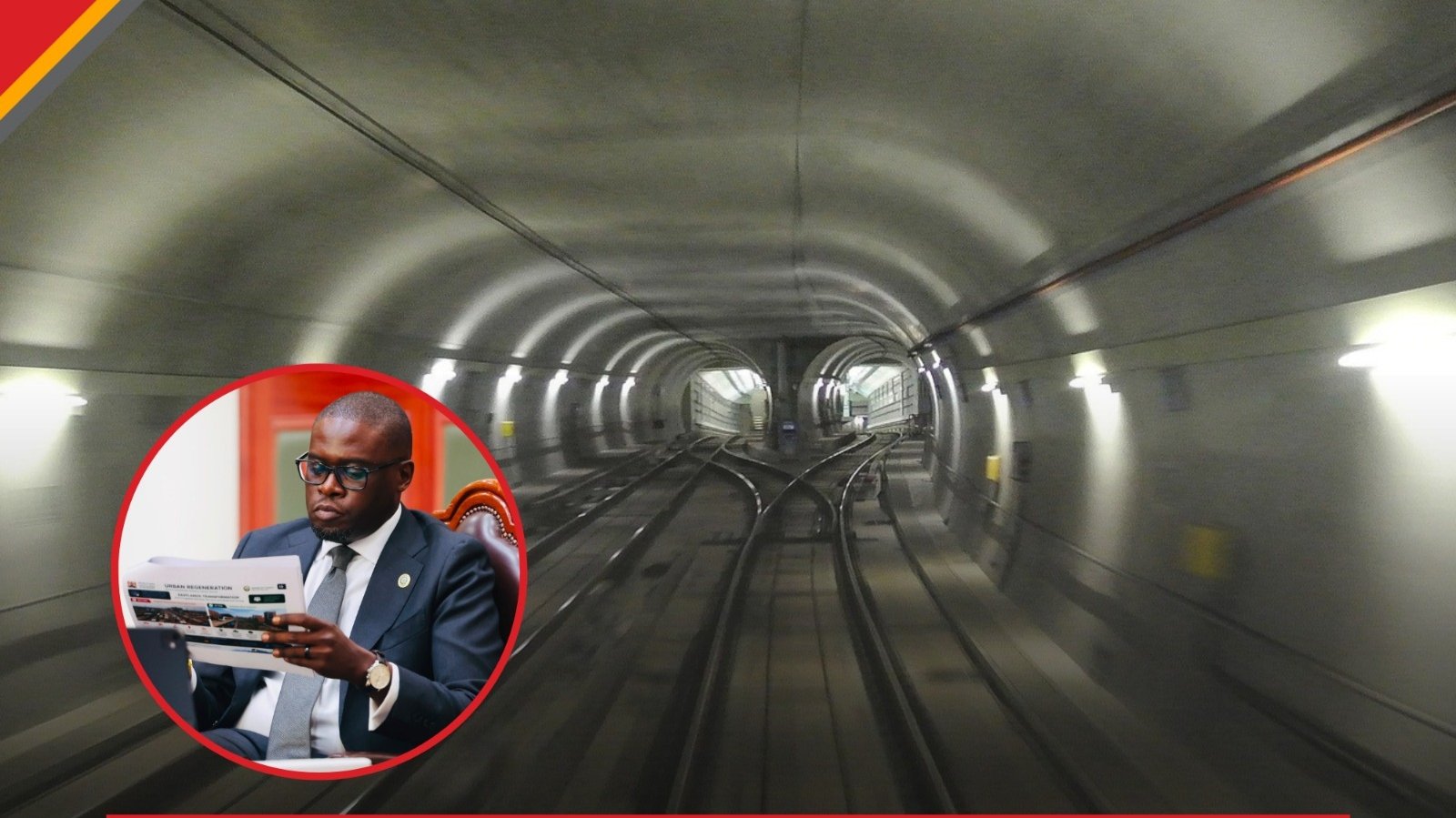

Nairobi County has approved plans for its first underground railway line running beneath the Central Business District to Eastlands. The decision came during the 90th County Executive Committee meeting on Wednesday.
Governor Johnson Sakaja chaired the session. Officials endorsed the implementation framework for the initial phase of the Nairobi Metropolitan Mass Rapid Transit System, known as NMRTS. This phase centres on an underground rail corridor through the CBD combined with a dedicated Eastlands Line.
The project seeks to connect key commuter routes across the city. Eastlands serves thousands of daily travellers heading into the central area for work. Current road networks struggle with heavy traffic volumes during peak hours.
Sakaja described the integration of the underground core with high-capacity links. The system aims to cut transport costs and improve overall mobility within the capital. He spoke following the meeting on July 22.
The framework includes integrated transit terminals. These will connect rail services with pedestrian pathways and non-motorised transport options. Such design elements intend to create smoother transfers for passengers.
County officials highlighted expected benefits. Reduced travel times stand out among them. Lower congestion on surface roads should follow once the underground alternative operates at scale. The initiative also targets support for economic activity in the growing metropolis.
Construction and operational phases are projected to generate jobs. Environmental gains include potential cuts in carbon emissions from reduced vehicle use on crowded roads. Nairobi continues to face pressure from rapid urban expansion.
Planning for the NMRTS first phase involved technical collaboration between the county government and the Executive Office of the President. Sakaja noted the approval moves the project from conceptual stages into implementation.
Work on the second phase has already started in preliminary form. Proposed extensions would reach Westlands, Ngong Road and Lang’ata. These additions target commuters from areas including Ongata Rongai and Ngong.
Public participation forums will begin soon. County authorities plan to engage transport stakeholders before any official groundbreaking. Input from residents and operators will shape final details.
Nairobi has long discussed mass transit improvements. Existing rail and road systems handle only part of the demand. The underground approach addresses space constraints in the densely built CBD.
Photos from the meeting show Sakaja reviewing documents. Another image captured him chairing proceedings. A separate archival shot depicted a train at Nairobi Central Railway Station.
The county government released statements outlining the project scope. Focus remains on delivering a cleaner and more efficient public transport network. Details on funding and exact timelines have yet to emerge publicly.
This development forms part of wider efforts to modernise Nairobi’s infrastructure. Similar systems operate in other major cities worldwide. Local planners have studied their layouts for lessons applicable to Kenyan conditions.
Commuters from Eastlands could see meaningful relief if the line materialises as planned. Daily journeys that now take hours in traffic might shorten considerably. The broader NMRTS vision extends across multiple corridors.
County leaders emphasised the need for stakeholder buy-in. Successful delivery will depend on coordination across government levels and private partners. For now, the approval represents a concrete step forward in long-standing transport planning.
Comments (0)
Leave a Comment
No comments yet. Be the first to share your thoughts!