
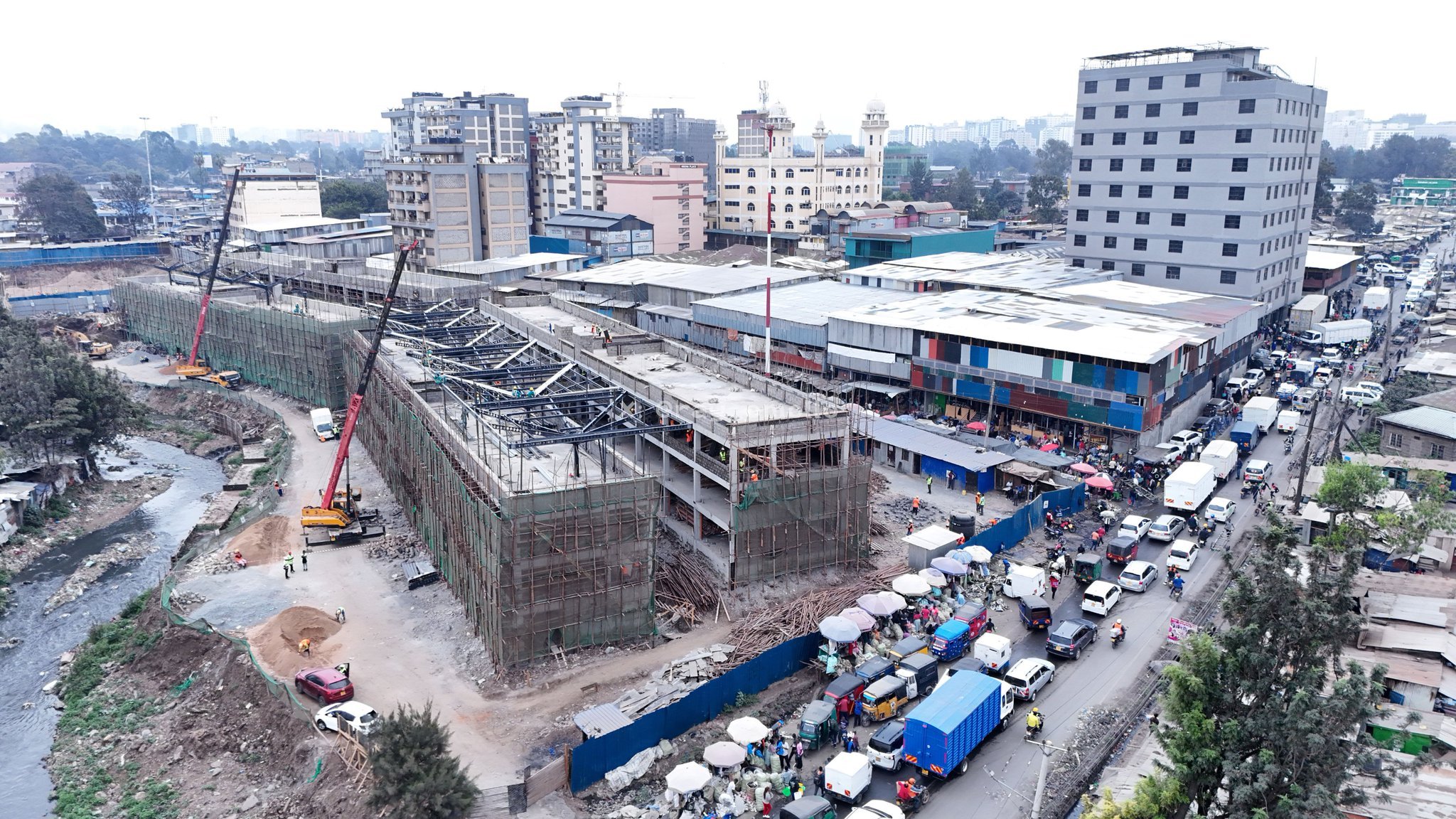

Gikomba, the largest open-air market in Nairobi and the country, is undergoing a major transformation from a congested, makeshift trading hub into a modern commercial complex. Its crowded structures have for years made the market vulnerable to perennial fires and flooding.
The Government is now addressing those challenges through a comprehensive upgrade. Following the initial clearance of informal timber structures along the Nairobi River corridor earlier this year, Phase One of the project is advancing well.
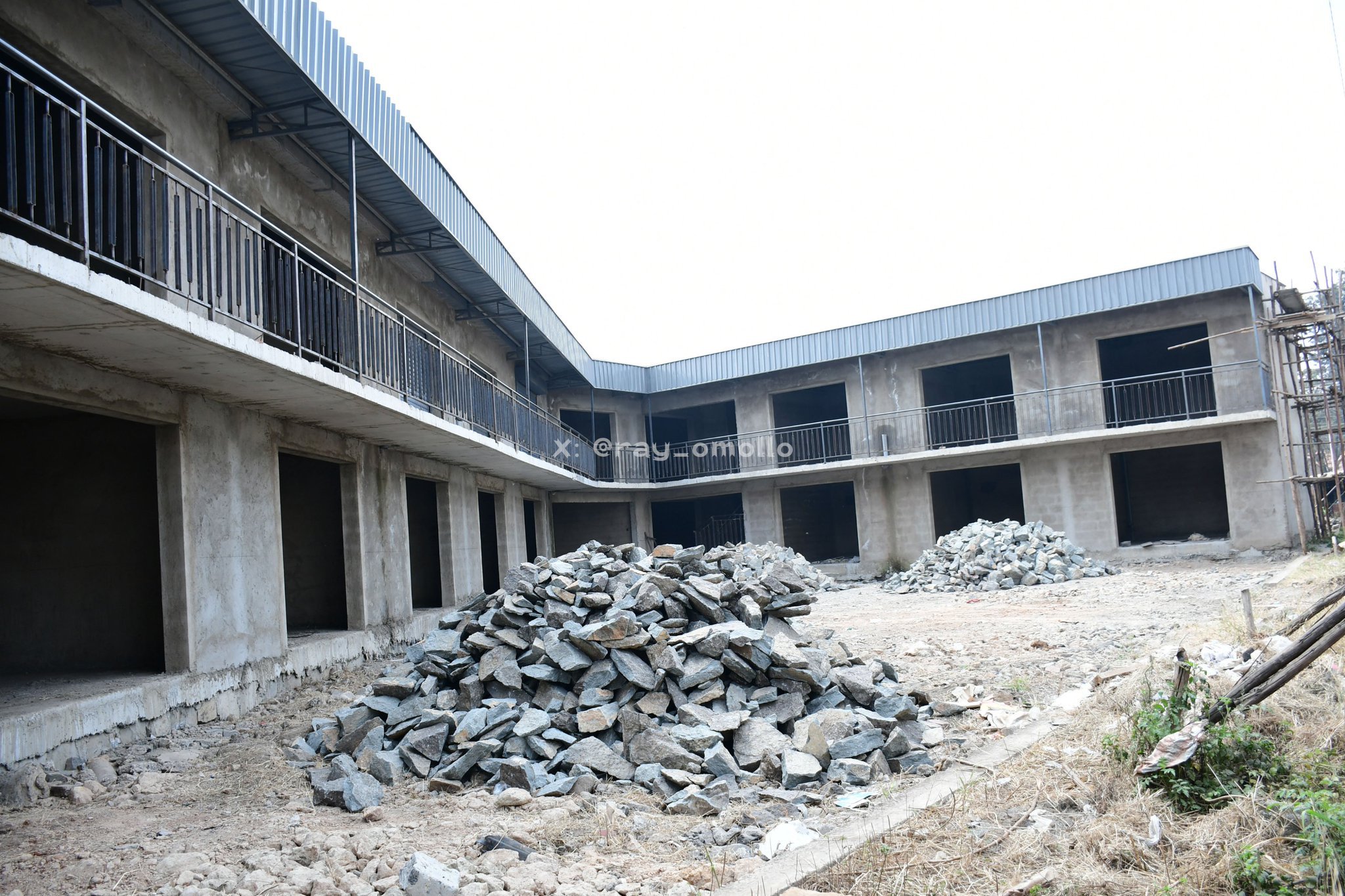
Ongoing works. /Handout
Three massive multi-storey market blocks have risen on site, with roofing and internal installations under way. The first phase will provide well-ventilated, numbered multi-level stalls for up to 7,000 traders, including a fish-processing zone for about 300 traders.
Other facilities include a day-care centre, modern kitchens and sanitation facilities, an ICT hub, youth community centre, basement parking, waste collection points and an integrated fire station. The project is also restoring Gikomba’s riverfront as part of the Nairobi Rivers Regeneration Programme.
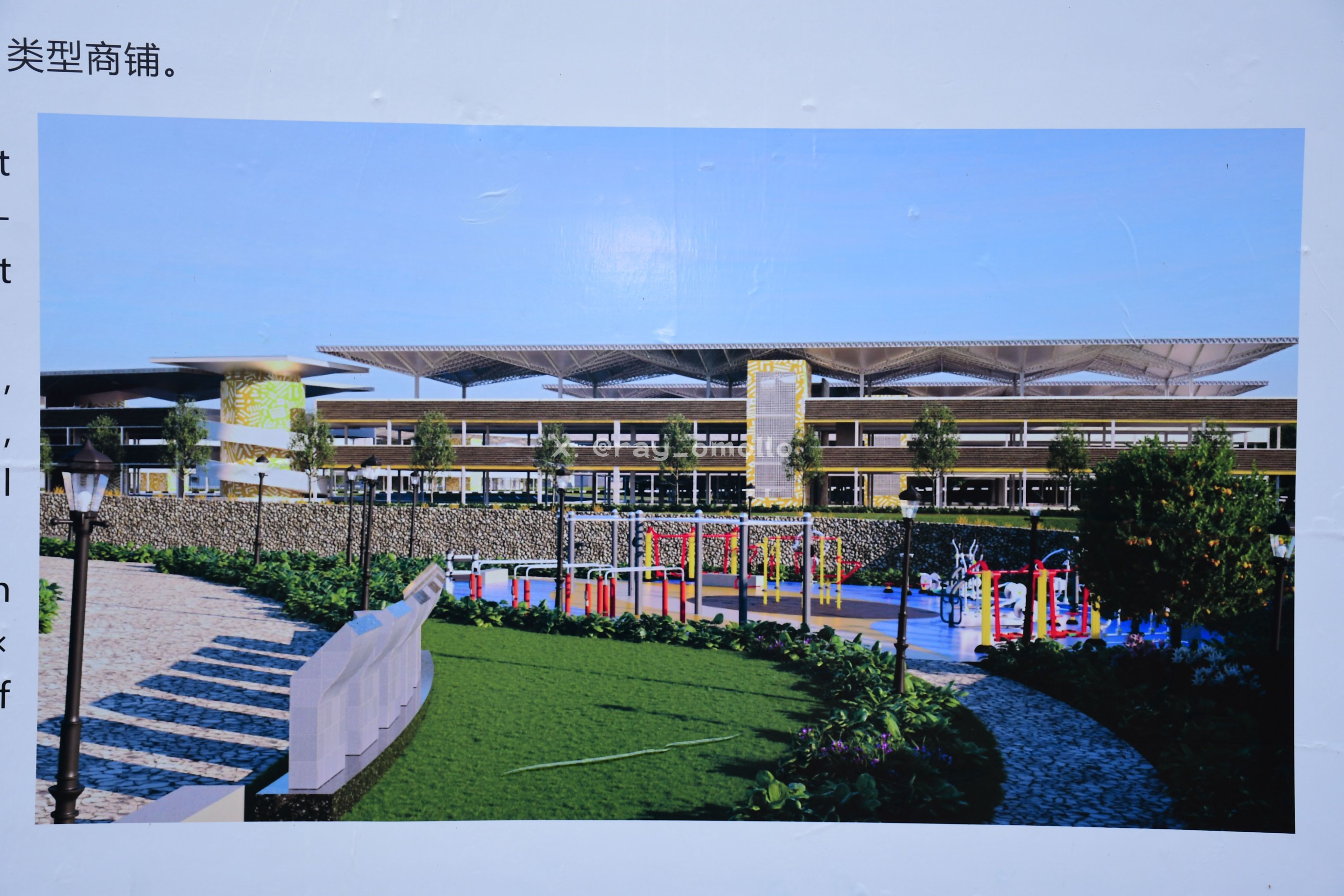
Artistic impression of how Gikomba will look like if everything goes according to plan. /Handout
Retaining walls are strengthening the riverbanks, while plans provide for recreational spaces and sports fields alongside the rehabilitated waterway. The works aim to create a safer and more functional public environment.
The State Department for Internal Security and National Administration will complement the physical transformation by strengthening the administrative and inter-agency framework needed to keep the upgraded market secure and orderly. The goal is to ensure the new investment delivers lasting benefits to traders and the wider public.
Gikomba has long served as a central trading point for second-hand clothes, household goods and other merchandise. The congested layout and temporary structures contributed to repeated fire outbreaks and seasonal flooding from the adjacent river.
Clearance of informal timber structures earlier this year created space for the new permanent buildings. The three multi-storey blocks now under construction mark the most visible progress on Phase One.
Once completed, the numbered and ventilated stalls are expected to improve trading conditions for thousands of merchants. The dedicated fish-processing zone will give specialised traders a purpose-built area separate from general merchandise.
Additional amenities such as the day-care centre, kitchens, sanitation blocks and ICT hub are intended to support both traders and the surrounding community. Basement parking and organised waste collection points address long-standing practical challenges at the site.
The integrated fire station forms part of efforts to reduce the risk of future fire disasters. Riverbank strengthening and the creation of recreational spaces along the waterway link the market upgrade to the wider Nairobi Rivers Regeneration Programme.
Coordination between construction teams and security agencies is presented as essential to maintaining order during and after the works. The administrative framework being strengthened is meant to support long-term management of the modernised facility.
The scale of the new blocks reflects the size of the trading community that has operated at Gikomba for decades. Providing formal, numbered stalls is intended to bring greater order and accountability to daily trading activities.
Traders previously operated in closely packed temporary structures that offered little protection against fire or flood. The multi-storey design allows vertical expansion while freeing ground-level space for circulation and services.
The inclusion of a youth community centre and ICT hub points to an intention to serve a wider range of users beyond pure trading. Day-care facilities acknowledge the presence of traders who combine business with family responsibilities.
Riverfront restoration forms a parallel strand of the project. Strengthening the banks and creating open spaces is expected to reduce flood risk while improving the overall environment around the market.
The combination of physical construction and administrative measures is presented as necessary for the upgraded market to function effectively once handed over. Security and order will remain important given the large number of daily users.
Comments (0)
Leave a Comment
No comments yet. Be the first to share your thoughts!