
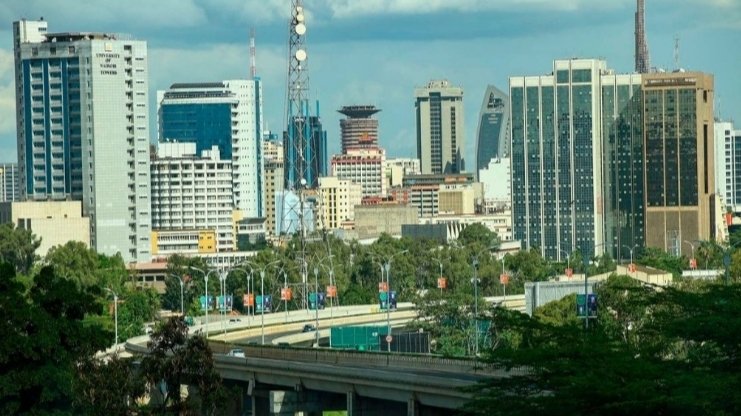

For many Kenyans, August has become a month of jackets, blankets and unusually chilly mornings. In Nairobi and the central highlands, cool conditions have persisted into the day, raising questions about why temperatures remain low as the country approaches the end of the dry season.
But the cold is not unusual for August. It forms part of a seasonal pattern driven by the movement and strengthening of large atmospheric pressure systems in the Southern Hemisphere.
Christine Maswi, Principal Meteorologist at the Kenya Meteorological Services Authority, said August is climatologically one of Kenya’s colder months. Cooler conditions begin in June and normally ease towards the first or second week of September.
“Climatologically, August is considered a colder month because it falls within the country’s cooler season, when the southeast trade winds bring cool, moist air from the Indian Ocean,” she said.
The explanation begins thousands of kilometres south of Kenya, where it is currently winter. As temperatures fall across the Southern Hemisphere, large high-pressure systems become stronger. These systems influence the winds that move northwards towards East Africa, carrying cooler air with them.
The two major systems are the St Helena High over the south-western part of the African continent and the Mascarene High over the south-eastern side, around Madagascar and the Indian Ocean.
When these systems intensify, they pump cold air from the south towards Kenya. This is why Nairobi, the central highlands and parts of eastern Kenya can feel particularly cold during June, July and August. Affected areas include parts of Machakos, Makueni, Kitui and Taita Taveta.
The process is reinforced by the seasonal southern monsoons, which help transport the cooler air.
However, the pressure systems do not remain equally strong throughout the day or from one day to another. Their changing intensity helps explain why August weather can sometimes feel unpredictable. One day may begin bitterly cold before temperatures rise in the afternoon, while the following day may remain cloudy and chilly.
When the systems weaken, warmer air is able to flow into the region.
Kenya Meteorological Services Authority’s June-July-August outlook anticipated cool and cloudy conditions over the Highlands East of the Rift Valley, including Nairobi, during July and August and into the first half of September.
The broader outlook projected temperatures warmer than usual across the country overall. A region can therefore experience persistently cold mornings and cloudy days while the national temperature signal remains above the long-term average.
Maswi noted that this year’s weather is unfolding against a developing El Niño backdrop. Kenya has experienced alternating spells of warm and cold weather due to the interaction between the seasonal pressure systems and the developing El Niño conditions.
She stressed that the cold August mornings in Nairobi should not automatically be blamed on El Niño. The immediate cause is primarily the seasonal atmospheric circulation and the strengthening of pressure systems south of the Equator.
For now, the cooler conditions are expected to remain part of the weather pattern into early September. Central Kenya is likely to retain its characteristic cool and cloudy conditions, while Nairobi is expected to experience intermittent rainfall.
The seasonal chill normally begins easing towards the first or second week of September as the atmospheric circulation changes and warmer air begins to return.
Comments (0)
Leave a Comment
No comments yet. Be the first to share your thoughts!