
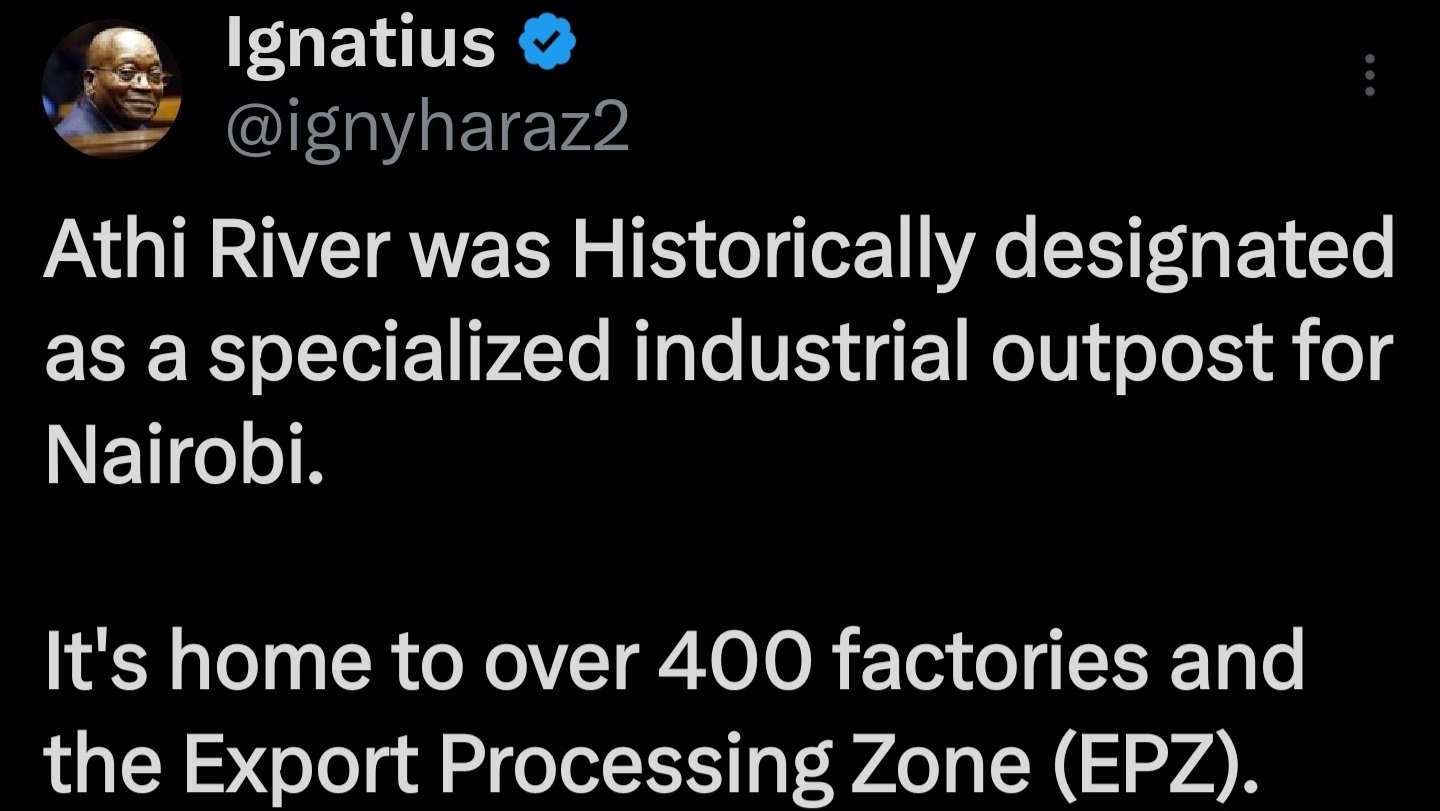

Athi River, historically designated as a specialized industrial outpost for Nairobi, faces a significant structural shift as rapid urban sprawl and high housing demands alter its original design.
The town was initially structured to pull industrial growth away from the core of the capital city, leveraging its flat terrain, rail access, and proximity to Nairobi.
According to historical planning, the regional master plan focused heavily on manufacturing and logistics. This focus attracted major investments, turning the area into an economic engine.
Today, the town hosts over 400 factories alongside the Export Processing Zone (EPZ). These facilities established the location as a key manufacturing node within the wider metropolitan area.
However, the pressure of a growing population in Kenya's capital has triggered an unprecedented housing boom, changing the region significantly. This demand has effectively rewritten the spatial reality of the region on a case-by-case basis.
As residential developers seek affordable land, the area has evolved into a mix of manufacturing plants and sprawling middle-class residential estates. This transition alters the dedicated industrial landscape.
Infrastructure like the railway and major transport roads have shortened commuting times to the Nairobi Central Business District (CBD), making the location highly attractive to families.
Large housing projects now sit within a territory once reserved almost exclusively for heavy commercial production, such as cement plants and manufacturing units.
This intersection of heavy industry and residential housing brings distinct urban challenges, although land affordability remains a powerful driver for the local property market.
The original zoning, which sought to segregate factory emissions and heavy transport logistics from domestic residential areas, has been compromised by the pace of private estate developments.
While the town continues to attract manufacturing investments, municipal managers face the task of balancing industrial growth with the welfare of thousands of new homeowners who live within the industrial corridor.
Comments (0)
Leave a Comment
No comments yet. Be the first to share your thoughts!