
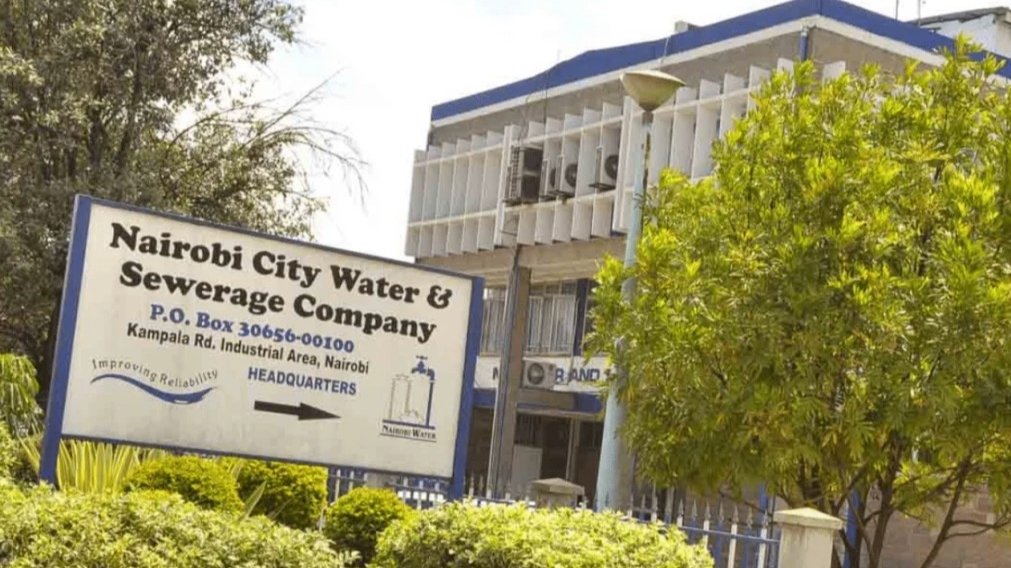

A petition has been filed at the High Court seeking to suspend implementation of Nairobi's revised water tariffs introduced through Gazette Notice No. 2710. Petitioner Francis Awino contends the new charges were approved without adequate public participation and violate consumers' constitutional rights.
The case targets the Nairobi City Water and Sewerage Company and related authorities. Awino requests conservatory orders halting enforcement, billing and collection pending the petition's full determination.
Alternatively, he wants bills issued under the disputed tariffs ring-fenced for adjustment, credit or refund if the challenge succeeds. Consumers should also receive protection from disconnections, penalties, back-billing or reconnection charges tied to non-payment.
Awino seeks disclosure of all documents related to the tariff application. These include affordability studies, financial and technical reports, public participation records, stakeholder invitations, attendance registers, minutes, objections and materials relied upon for approval.
He further asks the court to compel a complete record of the public participation process under Section 139 of the Water Act. This covers notices issued, venues, stakeholders engaged, written submissions received and how public views were incorporated.
The petitioner argues the tariff increases across domestic, commercial, institutional, sewerage and other categories over four years lack evidence of genuine consultation. Records do not demonstrate compliance with legal standards despite a reported stakeholder forum on December 19, 2025.
There is no indication of attendance details, representative input, written objections or how feedback shaped the final structure. The utility faces ongoing service shortfalls, with 79 per cent water coverage, 52 per cent sewerage coverage, 54 per cent non-revenue water and average daily supply of nine hours.
The High Court declined to treat the application as urgent. Justice Patricia Nyaundi Mande ordered service on respondents by July 13, 2026. Respondents must file responses within 14 days, with the petitioner granted leave for a further affidavit by August 6.
The matter returns for mention on October 27, 2026. The petition raises issues around rights to water, consumer protection, access to information, public participation and fair administrative action.
Such challenges frequently surface in utility tariff reviews across Kenya. They test adherence to constitutional and statutory consultation mandates before implementing rate changes that affect households, businesses and infrastructure projects.
In Nairobi's construction sector, water tariffs directly influence site operations, concrete batching, dust suppression and overall project costing. Developers and contractors track these disputes for their potential impact on service reliability and operational expenses.
The case underscores persistent questions about transparency in tariff-setting by the Water Services Regulatory Board. Outcomes could influence future reviews and the balance between infrastructure funding needs and consumer safeguards.
Public participation remains a recurring flashpoint in water sector governance. Legal requirements aim to ensure affected communities have meaningful input before significant adjustments take effect.
Comments (0)
Leave a Comment
No comments yet. Be the first to share your thoughts!