
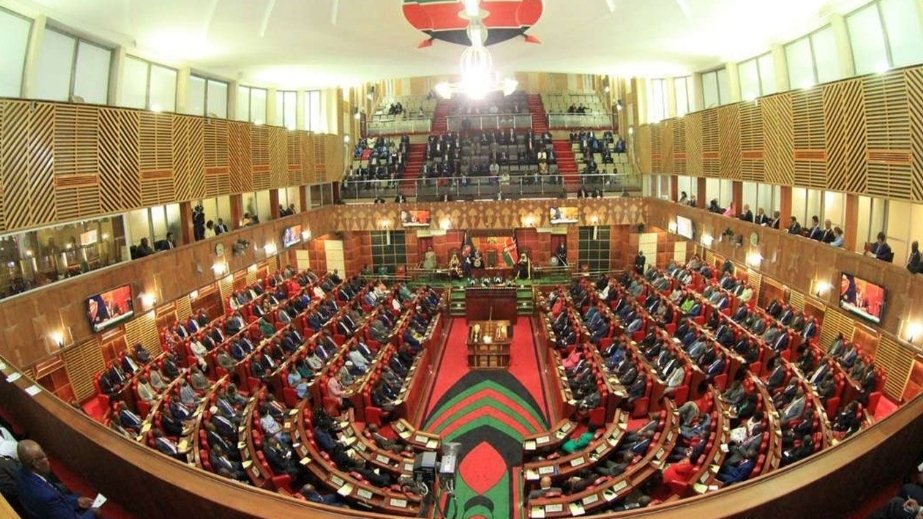

The National Assembly has passed the Finance Bill 2026 with amendments. The bill now awaits President William Ruto’s assent before it can become law.
Lawmakers voted 122 in favour and 40 against during the third reading on Thursday evening. No abstentions were recorded. The chamber endorsed all recommendations from the Finance and National Planning Committee.
MPs dropped several controversial proposals during the process. This reduced expected additional revenue from about Sh129 billion to Sh98 billion.
One key concession saw the removal of a proposed 16 per cent VAT on mobile money transfer fees for services such as M-Pesa and Airtel Money. The move spares users from higher charges on everyday digital transactions.
Another major proposal that failed required taxpayers to pay the full principal tax amount before their appeal against a Kenya Revenue Authority assessment could be heard. Under that plan a business facing a Sh10 million demand would have paid first with refunds or offsets available within 90 days if successful.
The house also rejected a 25 per cent excise duty on imported mobile phones. Another plan to impose tax at the point of activation was similarly thrown out over concerns it would undermine affordability and digital inclusion.
Further concessions included the removal of certain agency notice provisions and other measures that had drawn strong pushback from businesses and the public.
Despite the cuts the bill still contains a range of tax adjustments aimed at broadening the revenue base and improving compliance. Details on remaining provisions centre on streamlining administration and closing loopholes in existing laws.
The legislation supports implementation of the Sh4.3 trillion budget for the financial year starting July 2026. Passage came after weeks of public participation and intense negotiations inside committee rooms.
Low attendance in the chamber drew immediate criticism online. Only a fraction of the 349 MPs were present for the final vote.
Finance and National Planning Committee members described the amendments as responsive to stakeholder feedback. They argued the final package balances revenue needs with protection for key sectors including digital financial services.
Business groups and civil society had lobbied heavily against measures seen as burdensome. The dropped VAT on transfers in particular was viewed as critical for maintaining access to affordable mobile money platforms used by millions of Kenyans daily.
With presidential assent the new rules are expected to take effect from 1 July 2026 for most provisions. Some administrative changes may apply from January 2027.
The outcome reflects continued pressure on lawmakers to adjust fiscal measures in response to public sentiment. Similar debates marked previous finance bills with varying degrees of success for those seeking relief.
Comments (0)
Leave a Comment
No comments yet. Be the first to share your thoughts!