
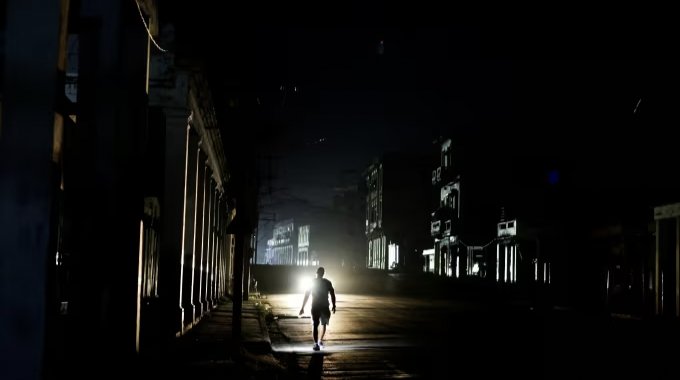

Cuba's national electricity grid collapsed late Sunday, August 2, 2026, plunging the Caribbean island's roughly 10 million residents into darkness for the first time this month. The state-owned Electric Union announced the collapse on social media without offering details on its cause or the extent of the disruption.
Sunday's failure follows three separate nationwide blackouts recorded in July alone, including two island-wide collapses within the same week. One of those July outages left the entire population without power, with authorities struggling to restore service because the country could not generate enough electricity to meet demand even after reconnecting the grid.
Cuba's power system has deteriorated under mounting fuel and spare-parts shortages, compounded by repeated breakdowns at ageing thermoelectric plants, some of which are more than 30 years old and have received limited maintenance. The country has struggled to import fuel since the United States captured Venezuelan President Nicolás Maduro in January, cutting off Havana's closest regional ally, while Mexico has also halted oil exports to Cuba under US pressure.
Before Sunday's nationwide failure, Havana's electricity company had already been reporting localised outages linked to damaged transformers, circuit failures and planned cuts tied to insufficient generating capacity. Dozens of unresolved complaints were logged across municipalities including Guanabacoa, Habana del Este, La Lisa and Marianao in the days leading up to the collapse.
When a total grid collapse occurs, authorities typically attempt recovery by forming small, isolated power networks, known as micro-islands, to supply hospitals, water systems and food facilities before gradually reconnecting larger generating plants back into the wider grid.
The rolling blackouts have become an increasingly disruptive part of daily life across the island this summer, forcing many residents to wake in the middle of the night to cook, wash, access the internet or cool their homes during Cuba's hottest months, often without knowing how many hours of electricity they will have.
Comments (0)
Leave a Comment
No comments yet. Be the first to share your thoughts!