
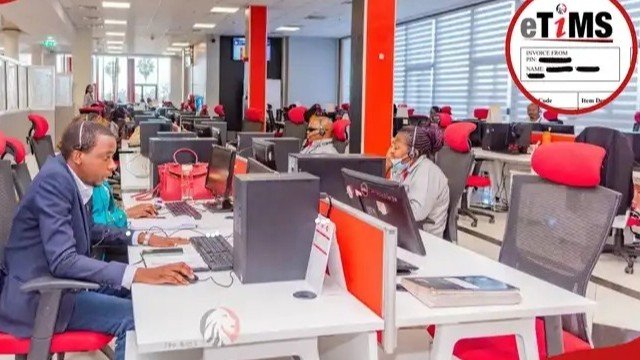

Kenyans and small business owners have been urged to exercise care when using the Kenya Revenue Authority’s electronic Tax Invoice Management System (eTIMS) to avoid costly mistakes that can lead to penalties or disruptions in their operations. Experts say that while eTIMS has simplified tax compliance by automating the issuance and management of electronic tax invoices, users must understand its requirements fully to prevent errors.
One key recommendation from tax specialists is to ensure that all business information entered into eTIMS is accurate and up to date. This includes the business registration details, tax identification numbers and contact information. Errors in these basic details can trigger system rejections or inaccurate tax records, which may result in audits or fines. Small businesses, in particular, are advised to double-check the consistency of information across all official documents before linking them to eTIMS.
Another important consideration is the proper categorization of goods and services. eTIMS requires businesses to classify items correctly according to Kenya Revenue Authority’s guidelines. Misclassification can lead to wrong tax calculations, causing businesses to either underpay or overpay taxes. This not only affects cash flow but can also attract penalties from the tax authority. Experts recommend that businesses train their accounting staff or consult a tax professional to ensure proper classification and adherence to KRA rules.
Timing of invoice submission is also critical. eTIMS is designed to record transactions in real-time, and delays in submitting invoices may create discrepancies between actual sales and reported revenue. Tax experts advise businesses to integrate eTIMS into daily operations so that every transaction is recorded promptly. This reduces the risk of errors and simplifies the preparation of monthly tax returns. For small enterprises, having clear internal processes for recording sales before uploading them to eTIMS can significantly reduce mistakes.
Another area where errors commonly occur is in the handling of returns and corrections. eTIMS allows for adjustments when errors are identified in previously submitted invoices. However, businesses must follow the correct procedures to make corrections, including providing proper documentation to support changes. Failing to follow the prescribed steps may result in rejection of corrections or additional scrutiny from KRA. Tax consultants emphasize that having a clear understanding of the system’s correction protocol can save time and prevent unnecessary penalties.
Security is also a key aspect of using eTIMS. Businesses are encouraged to protect their login credentials and ensure that access to the system is limited to authorized personnel. Breaches in security can compromise sensitive financial information and lead to unauthorized transactions. Regularly updating passwords and monitoring system activity are simple steps that can help safeguard business data while maintaining compliance.
Additionally, keeping proper records offline remains important, even with an automated system. While eTIMS reduces paperwork, businesses should maintain supporting documents for all transactions, such as receipts, invoices and delivery notes. These records are useful in case of audits and can serve as proof of compliance with tax obligations. Small business owners are encouraged to organize both digital and physical copies of records to make retrieval easier when needed.
Tax experts also stress the importance of staying informed about updates to the eTIMS system and any regulatory changes from KRA. The tax authority periodically updates its guidelines and software features and businesses that are unaware of these changes may unintentionally fall out of compliance. Subscribing to KRA announcements, attending workshops and insulting professionals can help business owners remain up to date.
Finally, seeking professional advice is highly recommended, especially for small businesses that lack in-house tax expertise. Engaging a qualified accountant or tax consultant can help ensure that eTIMS is used correctly and efficiently. Professionals can assist in training staff, troubleshooting errors and preparing accurate returns, ultimately saving businesses time and money.
In conclusion, while eTIMS provides a more efficient way to manage tax invoices and comply with Kenyan tax laws, careful attention to detail is essential. Accurate data entry, correct classification of goods and services, timely submission of invoices, proper handling of corrections, system security and record keeping all contribute to avoiding costly errors. By staying informed and seeking professional guidance when needed, Kenyan businesses can fully benefit from eTIMS while maintaining compliance with KRA regulations.
Comments (0)
Leave a Comment
No comments yet. Be the first to share your thoughts!