
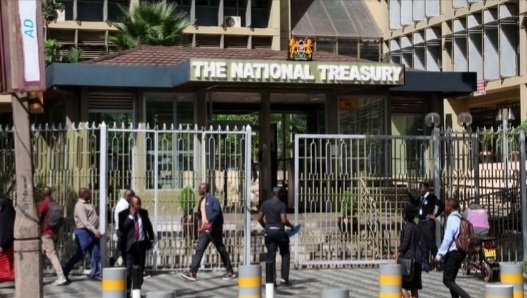

Kenya is set to make a significant entry into the sustainable finance market with a landmark KES 65 billion sustainability bond, leveraging the World Bank's robust and internationally recognized framework to ensure transparency and attract a global pool of investors.
The bond, expected to be launched in the coming months, represents Kenya's most ambitious effort to fund critical projects addressing both environmental and social challenges. By adopting the World Bank's framework, the government aims to align the issuance with global best practices for accountability, measurable impact, and responsible financing. This strategic decision is designed to boost investor confidence and potentially reduce borrowing costs at a time when the government is seeking diverse funding sources to bridge its fiscal gap.
According to Treasury officials, proceeds from the bond are earmarked for a wide range of high-impact sectors. The funds will be channeled into key green projects, such as the expansion of clean energy and the development of climate-smart agriculture. Additionally, the capital will support social programs, including investments in urban resilience, education, and healthcare initiatives.
This move positions Kenya as a leader in Africa's increasingly competitive capital markets. While nations like Nigeria, South Africa, and Egypt have also tapped into the green and sustainability bond market, Kenya's alignment with the World Bank framework could set a new benchmark for the region.
The World Bank has endorsed the initiative, highlighting the critical role of sustainable financing in accelerating development. If successful, this KES 65 billion bond will not only secure vital funding for Kenya but also pave the way for other public and private entities in the country to explore similar impact-driven financing options.
Comments (0)
Leave a Comment
No comments yet. Be the first to share your thoughts!