
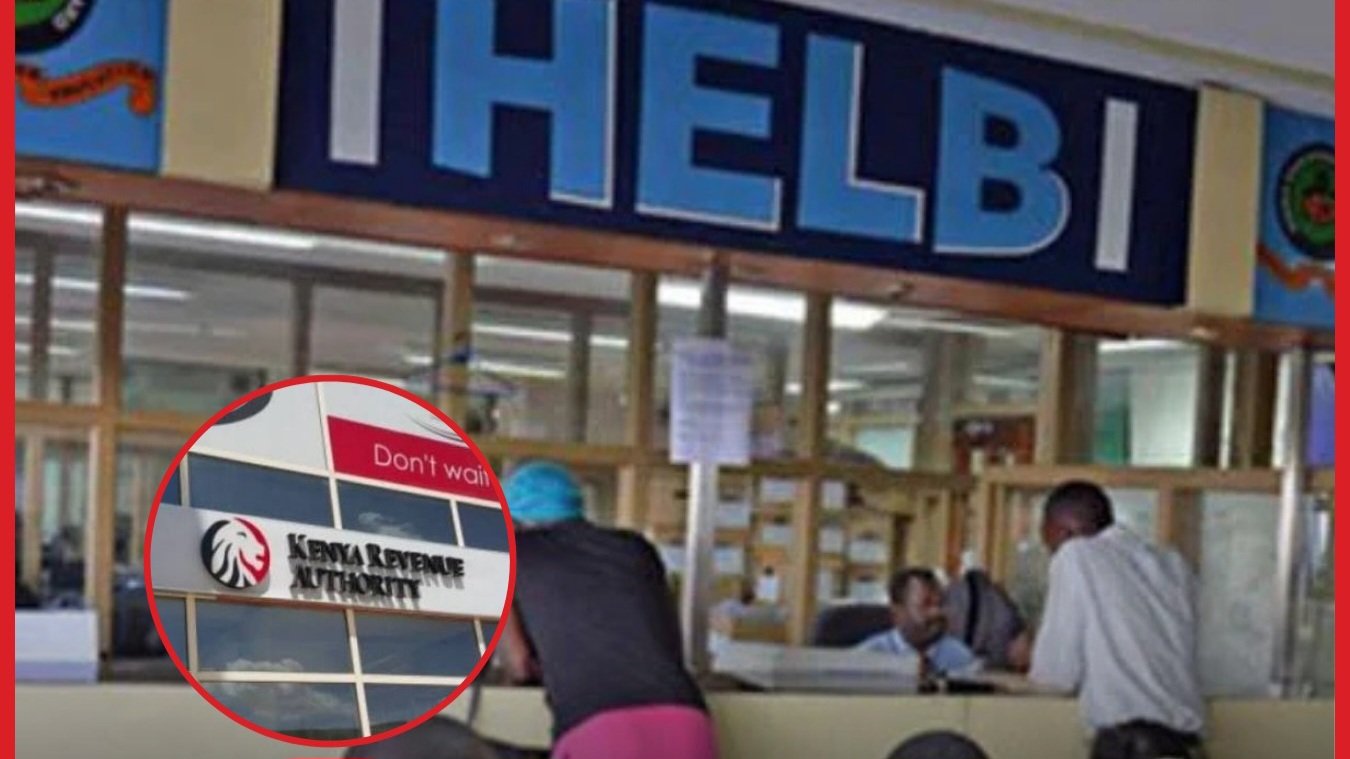

The Higher Education Loans Board (HELB) is establishing a partnership with the Kenya Revenue Authority (KRA) to track and recover unpaid student loans from borrowers operating within the informal sector.
This collaborative initiative targets thousands of past beneficiaries, who have transitioned into self-employment or informal trade but have failed to service their undergraduate or technical college debts.
According to recent data from the state funding agency, the total volume of non-performing student loans currently stands at Ksh20 billion.
Despite this large outstanding figure, the board maintains that overall progress is being achieved regarding monthly loan repayments and general collections from past university students.
The state agency faces severe structural constraints, because the traditional check-off system relies heavily on formal corporations to automatically deduct and remit payments from monthly payrolls.
With a significant portion of newly created jobs residing within the unstructured economy, monitoring the income streams of self-employed graduates has become an administrative hurdle.
By working closely with national tax compliance officers, the financing board expects to bridge this data gap and identify non-compliant individuals, who generate regular income outside formal employment.
Administrators emphasize that recovering these multi-billion-shilling arrears is essential to securing the fiscal health of the revolving fund, which supports thousands of current students nationwide.
The current liquidity pressures mean that uncollected funds directly reduce the financial allocations available for new applicants entering technical colleges and public universities.
Officials have previously indicated, that while formal employment numbers remain limited, tracking alternative revenue channels remains the most viable option for sustaining higher education subsidies.
The collaboration will involve matching national identification data with tax registration records to pinpoint active businesses managed by former beneficiaries across various urban trade centers.
Legislators have frequently urged the funding body to diversify its collection strategies rather than relying exclusively on direct exchequer allocations from the national treasury.
The agency expects, that integrating its database with national revenue portals will encourage self-employed professionals to voluntarily formalize their loan repayment schedules.
Failure to clear these balances attracts monthly statutory penalties, and the state agency continues to list chronic defaulters with local credit reference bureaus to enforce compliance.
The board is also examining how regional infrastructure projects and expanding informal markets can provide tracking points for individual consultants and independent technical sub-contractors.
This alignment with national tax enforcement structures represents a shift toward aggressive field auditing and data-driven tracing of individuals, who skip their financial obligations.
The funding authority reiterates, that every shilling recovered from past beneficiaries is immediately channeled back to support underprivileged students, who depend entirely on state financing.
The institution aims to raise its annual recovery targets significantly over the coming cycles by sealing collection loopholes within the informal transport and retail sectors.
Graduates, who completed their studies and finished their grace periods, are legally required to initiate self-directed payments or face active tracing by the state enforcement team.
This inter-agency framework is designed to create a sustainable financing ecosystem, ensuring future generations can access higher education without facing sudden budget cuts or funding freezes.
The strategic integration highlights the growing reliance on cross-platform data matching among Kenyan state corporations seeking to improve revenue collections andenforce statutory compliance nationwide.
Comments (0)
Leave a Comment
No comments yet. Be the first to share your thoughts!