
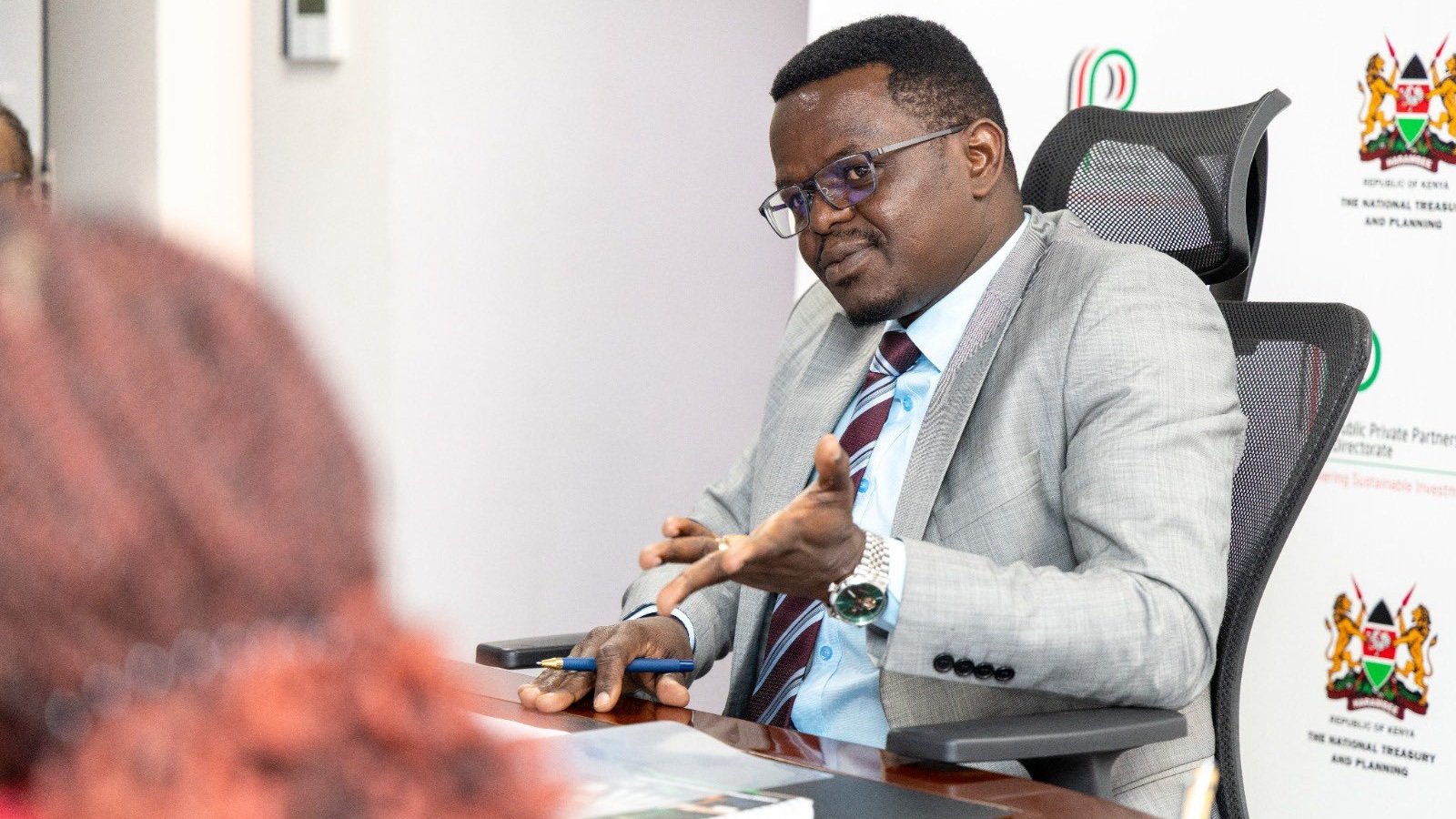

The National Treasury has highlighted the expanding role of private investment in national development. Public-Private Partnerships (PPPs) have become an increasingly important instrument for governments seeking to mobilize private capital, strengthen infrastructure delivery, and build enduring institutional capacity across the entire country.
Speaking on the evolving landscape of infrastructure financing, the Public Private Partnerships Directorate (PPPD) Director General, Eng. Kefa Seda, noted that private capital remains essential. The government actively focuses on alternative financing models, because direct borrowing capacity is highly constrained.
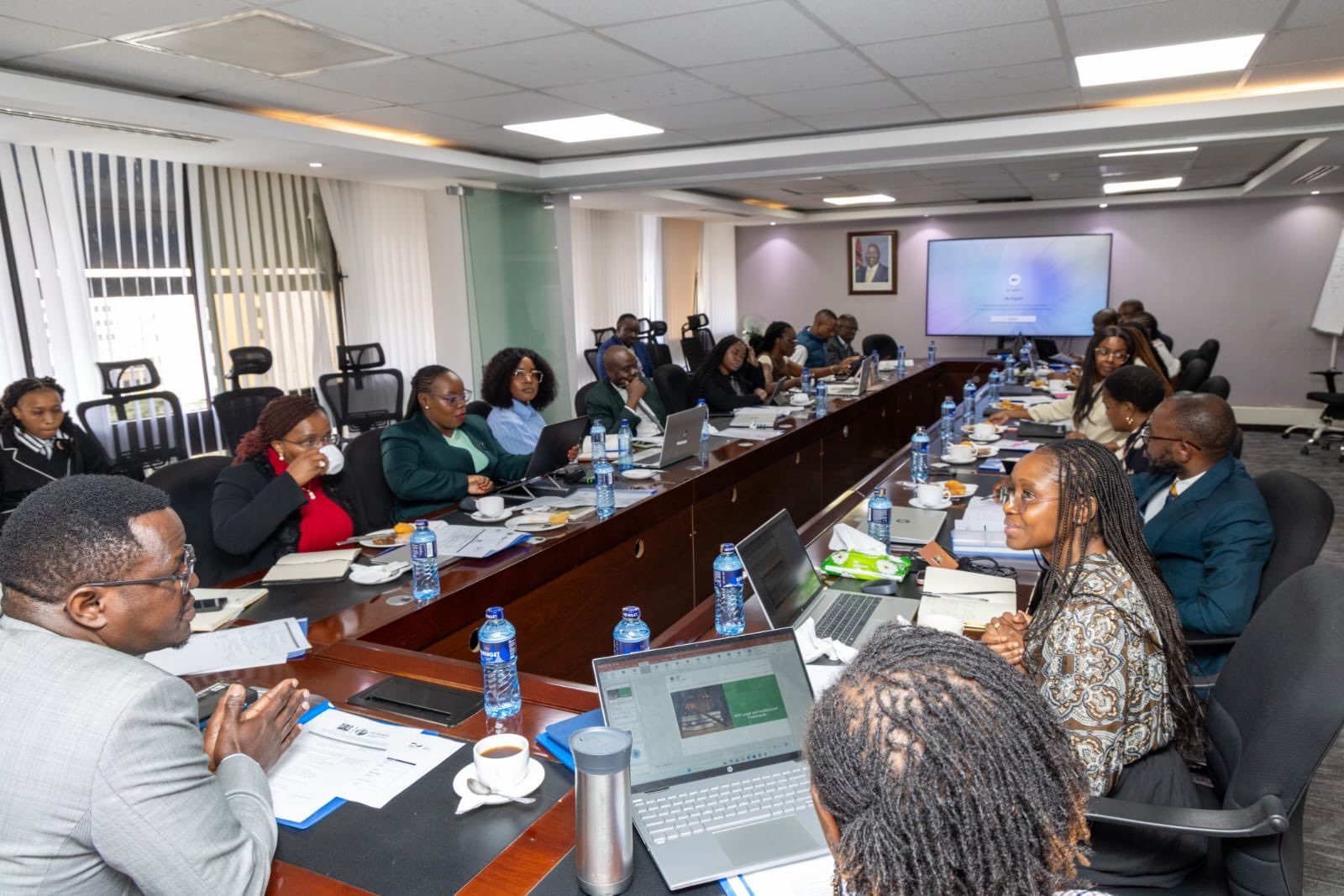
This shift comes as Kenya expands its pipeline of state-backed infrastructure developments, which now includes over fifty major projects. This strategy aims to bridge the national infrastructure gap, but without increasing the public debt burden through traditional sovereign loans.
Among the key projects under this framework is the Rironi-Nakuru-Mau Summit highway upgrade, which involves international private partners. The multi-billion shilling road project will transition to a toll-based system, which allows private concessionaires to recover capital investments over a multi-decade period.
The Kenya National Highways Authority (KeNHA) is also advancing plans for the subsequent Mau Summit-Eldoret-Malaba road expansion. This key corridor will see a competitive procurement process, although preliminary feasibility assessments funded by international lenders are still ongoing.
According to officials from the Ministry of Finance, the mobilization of private equity is critical for large-scale engineering works. The state has already signed several project agreements, which exceeded initial capital targets for the concluded financial year.
The State Department for Public Investments and Assets Management (SDPIAM) has emphasized that public infrastructure requires rigorous technical and environmental structuring. Comprehensive feasibility studies are required to establish bankable designs, before private entities commit substantial equity.
Private sector participation is also visible in urban transport modernization, which includes the integration of an Intelligent Transport System (ITS). These initiatives are designed to improve traffic coordination on critical local routes, although the initial implementation phases require careful state oversight.
National leaders, including President Ruto, have consistently reiterated that the country must look beyond traditional funding lines to secure its developmental path. The reliance on private consortia reflects a broader regional trend toward independent project financing.
The government intends to deepen cooperation with global infrastructure investors, who bring both financial resources and technical expertise. This collaboration helps in optimizing project risks, which are usually distributed between the state and the private partner.
Contractual arrangements under the current framework ensure that private partners handle long-term operations and maintenance. This arrangement guarantees that the infrastructure remains in good condition, while the state focuses its limited resources on other critical public sectors.
The current pipeline spans multiple sectors, which include transport, energy, housing, and water management. Each project undergoes rigorous scrutiny by the regulatory board, if it is to qualify for state guarantees or long-term concession agreements.
Engineering bodies, including the Engineers Board of Kenya (EBK), have welcomed the increased transparency in the procurement of large-scale works. They note that clear frameworks attract high-quality international contractors, who possess verified expertise in complex civil works.
As the rollout of these massive infrastructure projects progresses, the state continues to refine its legal and institutional guidelines. This ensures that future procurement processes remain highly competitive, transparent, and entirely aligned with national economic priorities.
Comments (0)
Leave a Comment
No comments yet. Be the first to share your thoughts!