
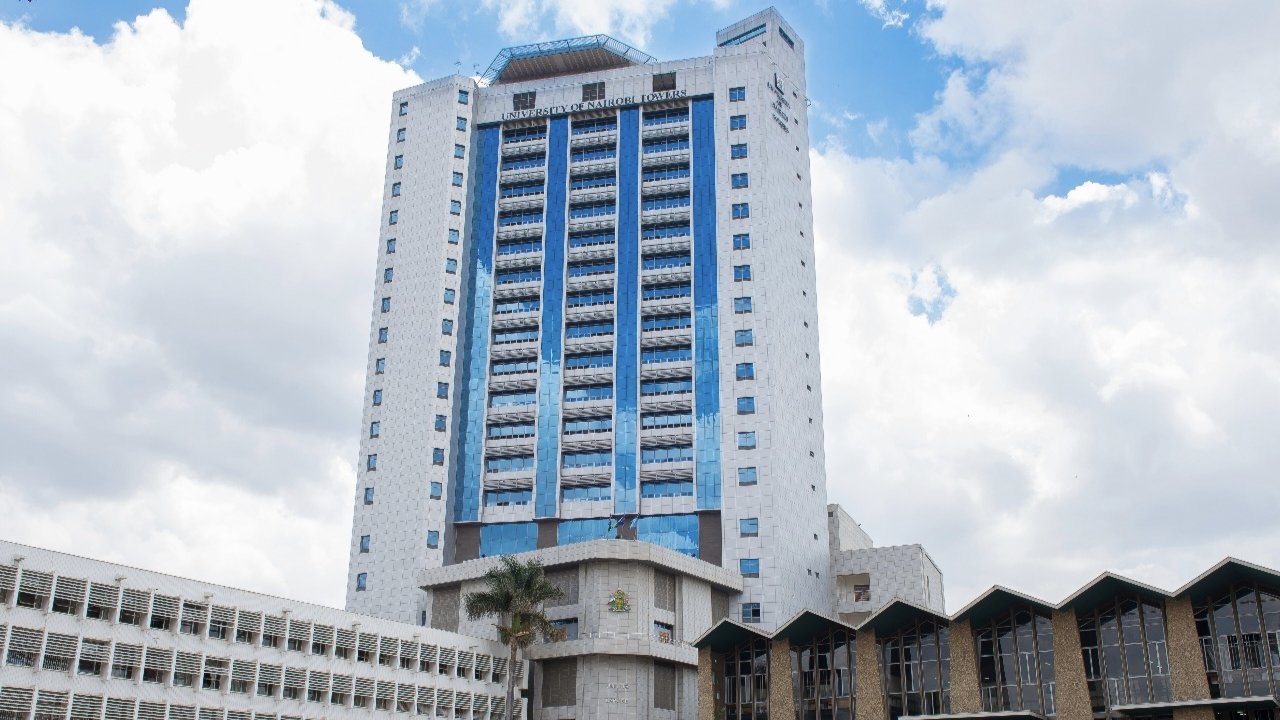

The University of Nairobi is planning to replace its ageing student hostels with a 4,000-bed facility across three campuses, financed and operated entirely by a private company for 30 years before ownership reverts to the institution.
The project will be structured under a Design-Build-Finance-Operate-Transfer (DBFOT) model, meaning the selected investor will handle everything from construction through to day-to-day operations. Feasibility studies were completed in October 2024 and received government approval in February 2025. Procurement and investor engagements are scheduled across the 2025/2026 and 2026/2027 fiscal cycles.
The 4,000 beds will be distributed across three sites. The Main Campus will receive 2,000 beds, Chiromo Campus 1,000, and the Kenyatta National Hospital (KNH) medical campus the remaining 1,000. At the KNH site, 50% of capacity is reserved specifically for medical students, addressing a longstanding concern about the safety risks and cost burden faced by medical students who commute from outer campuses for night rotations at the hospital.
Kenya's National Treasury has earmarked Sh9.2 billion from private investors for the UoN hostel component. The project sits within a broader Sh13.2 billion Public-Private Partnership (PPP) package that also includes expansion of teaching and accommodation facilities at Moi Teaching and Referral Hospital (MTRH) in Eldoret.
The scale of the problem these projects are trying to address is significant. According to the National Treasury's Budget Policy Statement, Kenya faces a countrywide student bed deficit of 320,000, with demand currently at around 600,000 beds against a supply of only 280,000. The University of Nairobi itself can presently accommodate 9,863 students across its eight campuses.
The project has backing from the Private Infrastructure Development Group (PIDG), which is involved to enforce international green building standards, specifically the IFC EDGE certification, a framework developed by the International Finance Corporation for resource-efficient construction in emerging markets.
The government is relying increasingly on PPPs to develop public infrastructure without adding directly to the national debt. Annual infrastructure needs are estimated at Sh250 billion, a figure that far exceeds what the Treasury can finance from public resources alone. By June 2025, more than Sh145.7 billion in private capital had been mobilised through PPP arrangements across various sectors.
For the UoN, the practical implication is straightforward. A generation of students will live in hostels built, owned, and run by a private company before the university takes possession.
Comments (0)
Leave a Comment
No comments yet. Be the first to share your thoughts!