
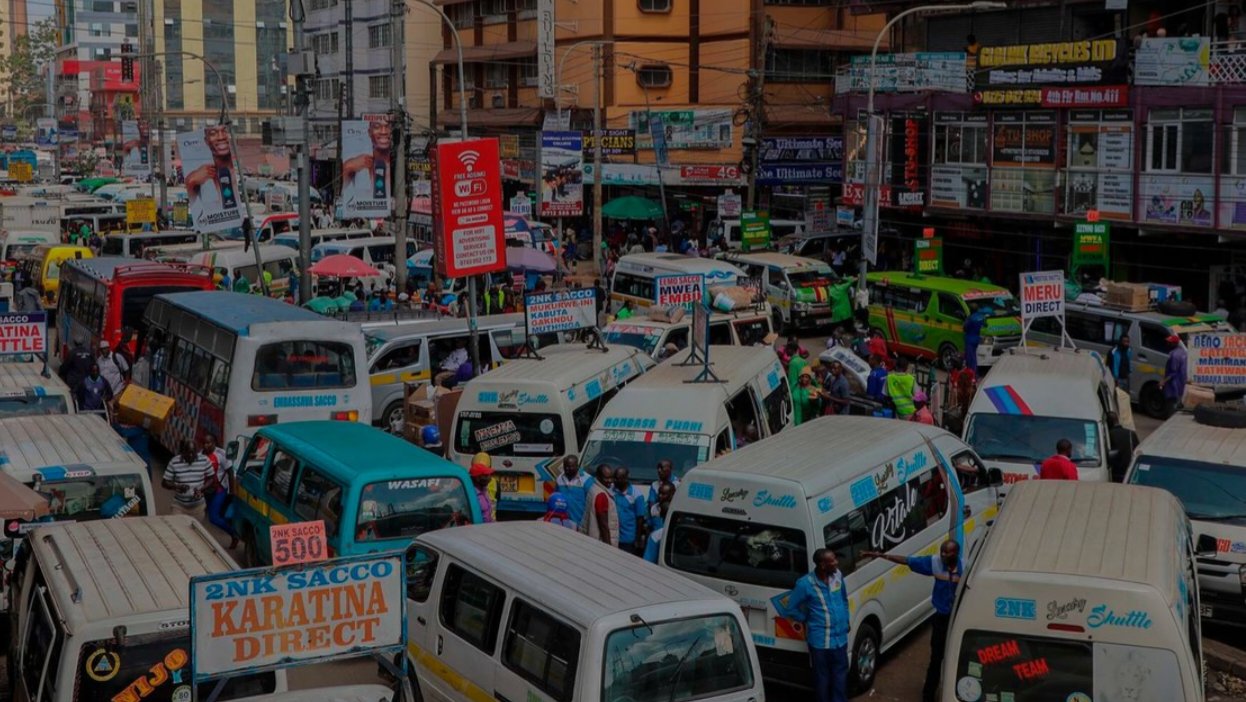

A version of this article appeared on Daily Nation.
The rise in fuel prices is no longer just a concern for motorists and transport operators, but it affects all Kenyans, especially those who commute to work.
Surging costs at the pump alter how commuters evaluate where they can afford to live, which shifts residential property demand. For years, many workers chose to live in outlying suburban areas where land and rent are cheaper.
They balanced the lower cost of housing against the time and money spent on daily travel. That calculation changes as commuting costs take up a bigger share of household budgets.
Public Service Vehicles (PSV) operators frequently raise fares to protect their margins, which leaves commuters to shoulder the financial burden.
Workers who rely on private vehicles face equally steep increases in their monthly transport bills.
As a result, more people look for rental housing closer to major commercial nodes or central business districts. This shift in preference changes the dynamics of the local real estate market.
Locations once deemed too expensive because of higher rents now look more attractive when balanced against reduced commuting expenses.
Property developers closely monitor these shifting migration patterns. Areas located far from primary employment hubs risks seeing a slowdown in rental occupancy rates.
Conversely, neighborhoods that offer short commutes or reliable access to mass transit networks see increased interest from prospective tenants.
Infrastructure projects, including dedicated bus lanes or improved rail links, play a growing role in where people choose to settle.
Proximity to these networks helps insulate households from fluctuating global oil prices.
Ultimately, transport affordability shapes urban expansion.
If fuel prices remain elevated, the trend toward high-density residential development near major urban centers will likely accelerate, which reshapes the real estate sector for years to come.
Comments (0)
Leave a Comment
No comments yet. Be the first to share your thoughts!