
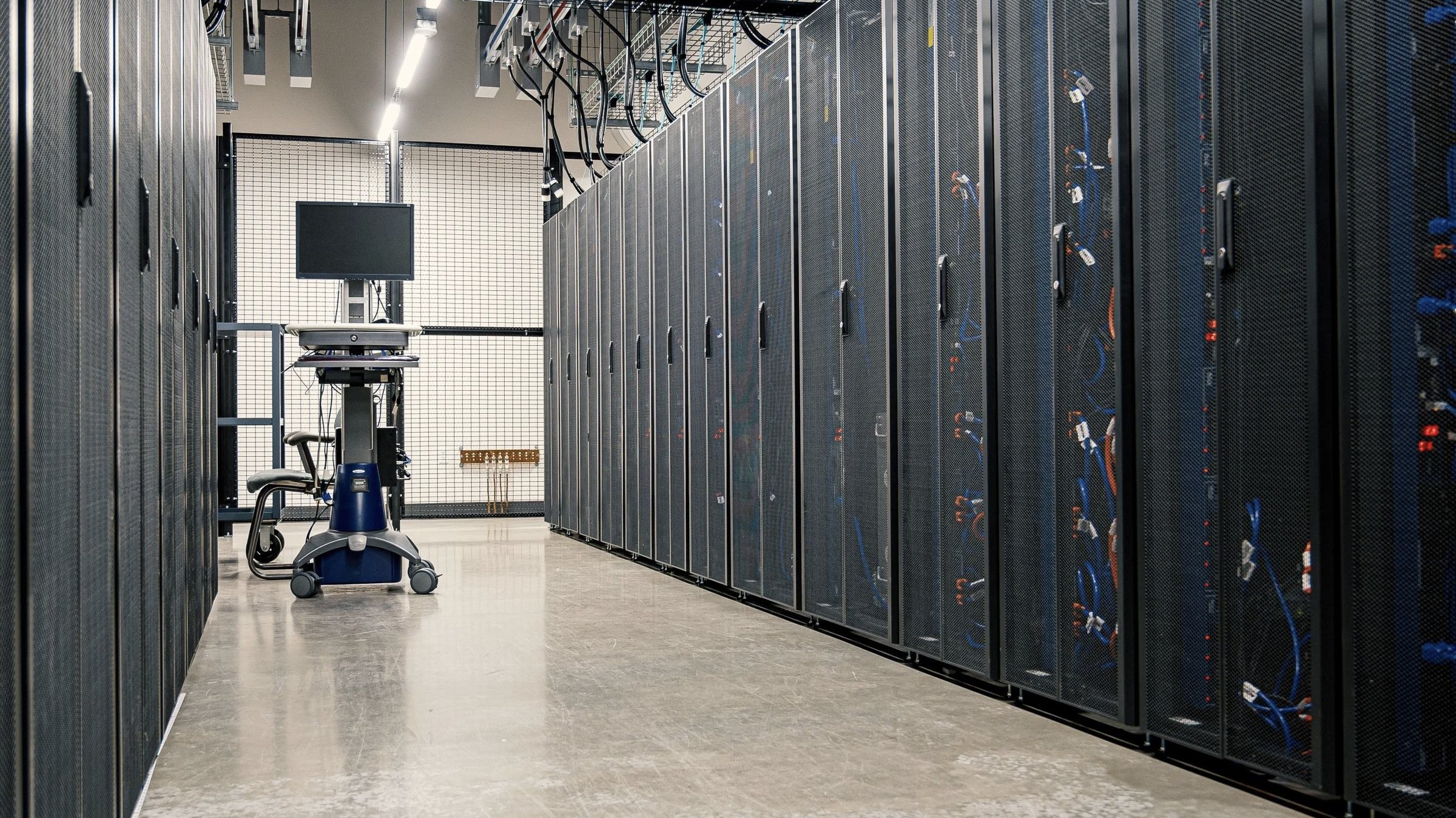

A version of this article appeared on Silicon Canals. A 2025 analysis estimated that AI systems may have consumed between 312.5 billion and 764.6 billion litres of water during the year, once cooling at data centres and water used at the power plants supplying them were both counted.
The upper figure is substantial, more than twice the volume of bottled water sold worldwide annually by some estimates. But researchers caution it represents the top end of a modelled range built from incomplete corporate disclosures rather than a direct measurement.
The estimate originates from a peer-reviewed paper published by researcher Alex de Vries-Gao in the journal Patterns. The analysis started from an earlier estimate that AI systems drew about 9.4 gigawatts of power at the end of 2024, potentially reaching 23 gigawatts through 2025.
Researchers applied a water intensity figure of 3.40 litres per kilowatt-hour, derived from environmental reporting by Google, Meta and Apple alongside grid data covering their US data centre locations. Holding that intensity constant across the power-demand range produced the published 312.5 to 764.6 billion litre estimate.
Water consumption in the analysis breaks into two categories. Direct consumption happens at data centres, often through cooling systems that evaporate water to remove heat generated by servers.
Indirect consumption occurs at power stations generating the electricity those facilities use. Thermal plants, including coal, gas and nuclear stations, frequently consume water to produce steam and dissipate waste heat during electricity generation.
The paper cites an International Energy Agency estimate that data centres consumed roughly 560 billion litres of water in total during 2023, with about 140 billion litres consumed directly and 373 billion litres tied to electricity generation. A further 47 billion litres was linked to hardware manufacturing, though that figure falls outside the AI water footprint calculation.
Researchers note that data centre operators generally report company-wide environmental totals rather than separating AI workloads from other cloud activity such as search, storage and office software. That gap forces researchers to infer AI's specific water share from hardware shipments and broader industry averages, widening the uncertainty around any single figure.
Location also affects the calculation significantly. The underlying paper found water-intensity estimates ranging from 0.68 to 11.98 litres per kilowatt-hour across different US power grids, meaning identical computing workloads can carry very different water footprints depending on where they run.
Some technology companies have pursued cooling designs intended to reduce on-site water use. Microsoft said in its 2025 environmental report that a new cooling design for AI workloads eliminates water use for cooling entirely and could avoid up to 125,000 cubic metres of water consumption annually per facility.
Researchers say that engineering shift addresses only part of the picture, since the electricity powering such systems can still carry its own water footprint depending on how it is generated.
The paper's authors argue that greater transparency from data centre operators, including location-specific reporting and clearer separation between AI and other cloud workloads, would help narrow the current uncertainty around AI's actual water consumption.
Comments (0)
Leave a Comment
No comments yet. Be the first to share your thoughts!