
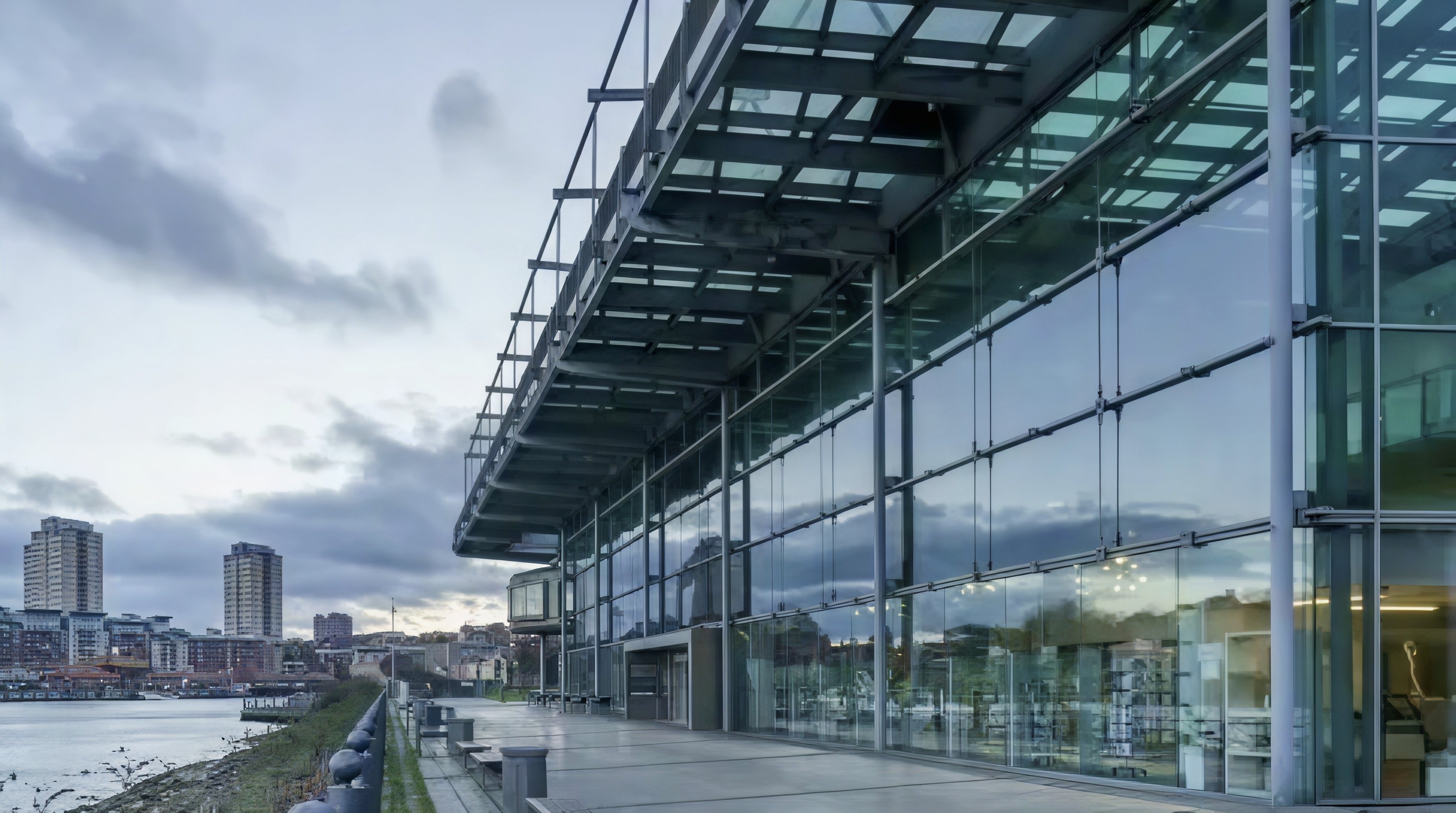

Sunderland City Council will commission two independent surveys, costing around £25,000, to assess whether the permanently closed National Glass Centre can be saved from demolition.
The council needs the surveys to determine whether the University of Sunderland, which owns the building, can demolish it without first obtaining planning permission.
Council leader Chris Enyon of Reform UK said the surveys would help inform an Article 4 direction, which, if implemented, could require the university to secure planning permission before proceeding with demolition.
"As long as this building still stands there is a chance to save it," Enyon said.
The university maintains it has continued to follow required guidelines ahead of demolition, stating the closure decision was based entirely on independent reports covering necessary repairs and the site's future financial viability.
Carolyn Basing, from the campaign group Save the National Glass Centre, welcomed the surveys, saying the local authority was now investing in the building's future.
Arts Council England, which contributed £5.9 million toward creating the site in 1998 and a further £750,000 toward refurbishment in 2012, confirmed a deed of covenant had been put in place to protect the building for public benefit. That covenant expired in January 2023, the same month the university announced plans to close the centre.
The council transferred the National Glass Centre to the university in 2010 under an undisclosed fee, which campaigners believe was relatively small. Enyon said the building has never been listed for sale, nor has the university offered to sell it to the council or any other party.
Labour councillor Brandon Feeley, deputy leader of Sunderland's Labour group, said the university's decision to close the centre had brought shame on the city, adding that those involved in the original 2010 transfer had acted in good faith.
The University of Sunderland said that since the closure, no individuals or organisations had approached it about purchasing the building, nor had anyone presented a feasible plan to cover its substantial running and capital costs.
The university said it would continue to follow all legal requirements relating to the proposed demolition as the process moves forward.
The dispute adds to a broader pattern of tension in the UK between local authorities and institutions over the future of publicly funded cultural buildings facing closure and demolition.
Comments (0)
Leave a Comment
No comments yet. Be the first to share your thoughts!