

A version of this article appeared on Nation.
The cost of building in Kenya climbed sharply in the second quarter of 2026, driven largely by a surge in fuel prices that pushed transport, cement and other construction inputs higher, according to new data from the Kenya National Bureau of Statistics (KNBS).
KNBS reported that its Construction Input Price Index (CIPI), which tracks costs for materials like cement, steel, wages, transport and energy, rose by 5.73 percent, climbing from 119.51 in the first quarter of 2026 to 126.36 in the second.
The jump is the steepest quarterly increase since the last quarter of 2022, when the index grew by 7.10 percent. KNBS attributed the rise primarily to increases in transport, fuel and construction material costs.
Transport, fuel and lubricant indices recorded the sharpest increase at 21.47 percent, driven by a 31.16 percent rise in fuel and lubricant costs and a 12.34 percent increase in transport costs. Data from the Energy and Petroleum Regulatory Authority shows average petrol prices rose from Sh179.69 per litre in the first quarter to Sh208.63 in the second.
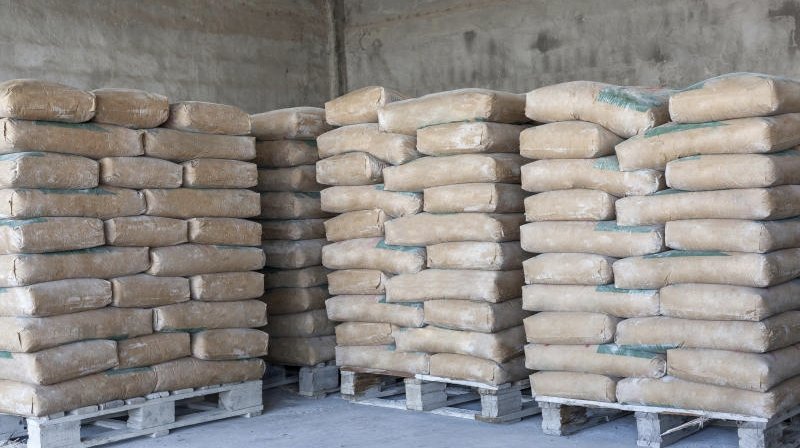
Despite the higher costs, cement consumption still rose by 6.83 percent during the quarter, an indication that developers pushed ahead with projects already in the pipeline rather than pausing for cheaper input prices.
KNBS recorded notable price increases across several materials, including concrete and asphalt at 7.25 percent, cement at 6.99 percent, ballast and graded crushed stones at 6.16 percent, electrical fittings at 6.27 percent, paints at 8.43 percent and kerbs at 5.89 percent.
Labour costs also climbed, with the labour index rising by 4.38 percent, reflecting higher wages particularly among carpenters, painters, welders and mechanics, whose combined wage index increased by 7.51 percent. The equipment index rose by 2.48 percent, with increases recorded across all machinery categories.
The overall building cost index rose from 119.77 in the first quarter to 126.06 in the second, a 5.25 percent increase, which KNBS linked to higher prices across transport and fuel, construction materials and labour categories.
Even so, the value of building plans approved in Nairobi edged up by 1.98 percent during the quarter, reaching Sh52.01 billion from Sh51 billion in the first quarter, suggesting developers remain willing to commit to new projects despite rising costs.
Comments (0)
Leave a Comment
No comments yet. Be the first to share your thoughts!