


A ramp at the back entrance is not accessibility. It is an afterthought with a slope.
That was the central argument Senator Crystal Asige, Member of Parliament and disability rights advocate, brought to the BORAQS Continuing Professional Development (CPD) Seminar on May 14 and 15, 2026, at Safari Park Hotel in Nairobi. Her session, titled "Embracing Inclusivity in the Construction Industry," opened the second day of the two-day event under the theme "Health and Dignity in the Built Environment."
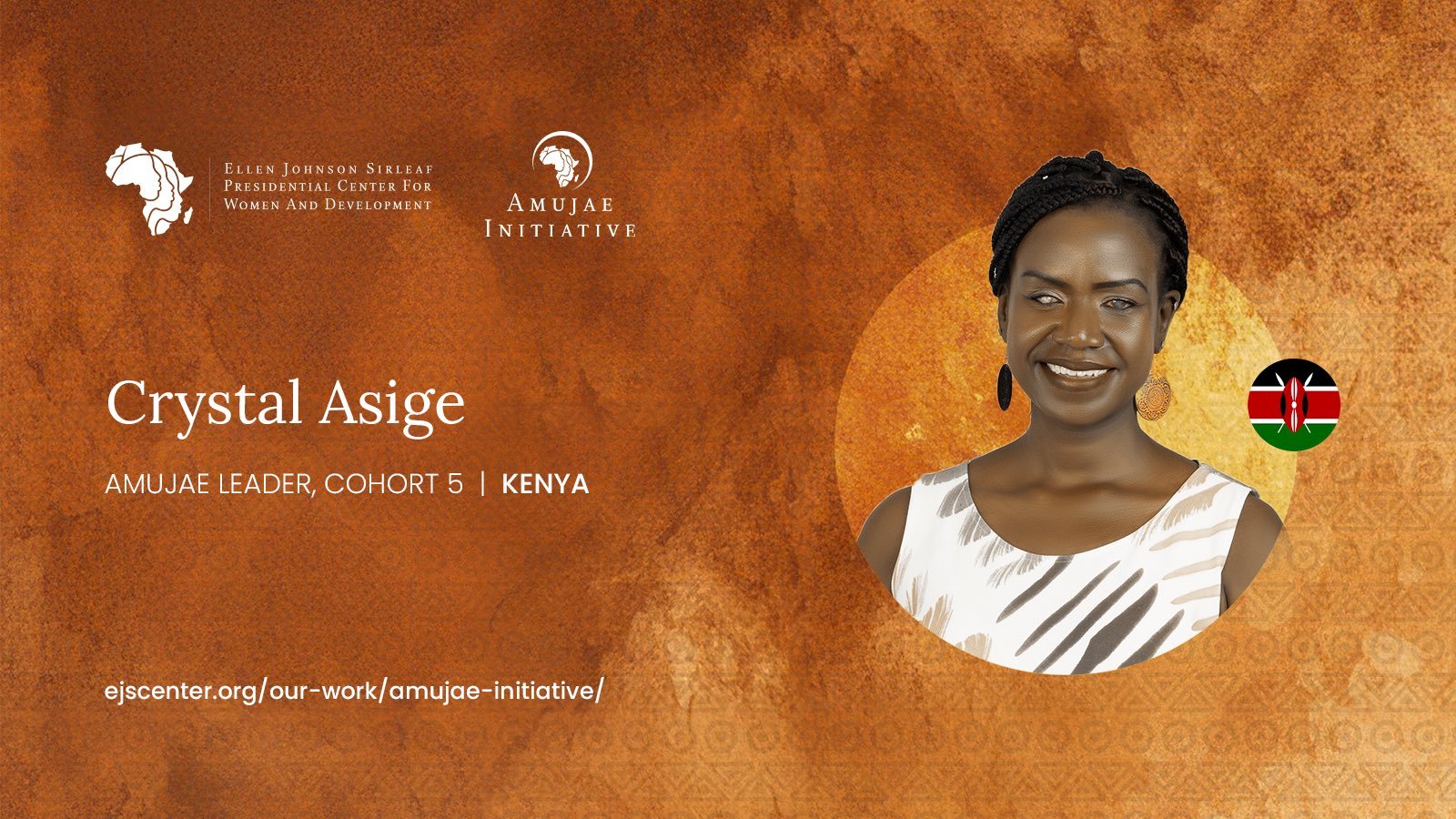
Asige
Asige's framing was precise. Disability, she told the room, is not simply a condition a person has. It is the product of an impairment meeting a barrier. Remove the barrier, and you remove the disability. That distinction, she argued, changes how Architects, Quantity Surveyors and developers should think about their responsibility. The built environment is not neutral. Every design decision either creates a barrier or removes one.
The National Council for Persons with Disabilities (NCPWD) has been pushing this argument through regulatory channels for years. Under Kenya's Persons with Disabilities (PWD) Act 2025, all public buildings are now required to meet mandatory accessibility standards. The Act mandates that private buildings also be accessible, and places the enforcement burden on BORAQS through its completion certificate and audit processes. NCPWD has indicated it will work closely with the National Construction Authority (NCA) and issue penalties for failure to adhere. Investigations into non-compliant infrastructure data and penalties for non-compliant owners and developers are on the table.
Asige's frustration with how compliance is currently approached was visible. Design too often treats accessibility as a checkbox, she said, something added at the end of a project to satisfy a form rather than integrated from the first line drawn. The consequence is what she described as forced dependency: a Person with Disabilities (PWD) who can access a building's front entrance but not its washroom has not been given access. They have been given a longer walk to the same barrier.
She outlined what genuine universal design requires. It has everything to do with the formulation of social policies, the construction of built environment features, and the way mobility services are planned and delivered. Accessibility must be woven into planning and scheduling, not bolted on during snagging. Inclusive transport, including vehicles, airports and bus stops, must be part of the same conversation as the buildings they serve. Health and inclusive sanitation must be treated as core infrastructure, not bonus features.
The second session on day two, led by Dr. Michael Munene, PhD, Chief Executive Officer of the Council of Persons with Disabilities, went further into operational detail. Munene presented the case for creating truly inclusive spaces, noting that as a council they offer training tools covering economic empowerment, mobility, visibility and hearing aids, rehabilitation programmes, autism support, skin cancer treatment, education scholarships, legal services and sign language interpretation. The point was that the built environment does not exist in isolation from these services. It either enables access to them or prevents it.
The legal framework underpinning the session is significant. Kenya is a signatory to the United Nations Convention on the Rights of Persons with Disabilities. Section 30 of the PWD Act 2025 provides the domestic legal basis for mandatory accessibility. Stigma around treating PWD as a special category rather than as citizens with rights was raised as a persistent barrier to genuine compliance, both in attitude and in design.
One practical point from Asige landed with particular force in the room. Countries are losing Gross Domestic Product (GDP) by failing to provide accessibility in the built environment for PWDs. This is not a welfare argument. It is an economic one. When a portion of the population cannot access buildings, transport, workplaces or services, the cost falls on everyone.
BORAQS itself committed to strengthening enforcement through its completion certificate and audit framework, writing to the National Construction Authority (NCA) and requesting audit partners including Sika Kenya. Partners present across the seminar included Crown Paints, Sika Kenya, Jumbo Chem, NTSA, and MRM.
The message that left Safari Park Hotel on May 15 was unambiguous. Universal design is no longer optional in Kenya. The law has arrived. The profession now has to decide whether it leads or is pushed.
Comments (0)
Leave a Comment
No comments yet. Be the first to share your thoughts!