

A version of this article appeared on The Civil Engineering Hub.
Structural design in the regional construction sector is undergoing a quiet shift as more engineers move away from traditional reinforced concrete in favor of post-tensioned slabs. This transition is largely driven by the physical limitations of standard slabs when faced with the demands of modern high-rise architecture.
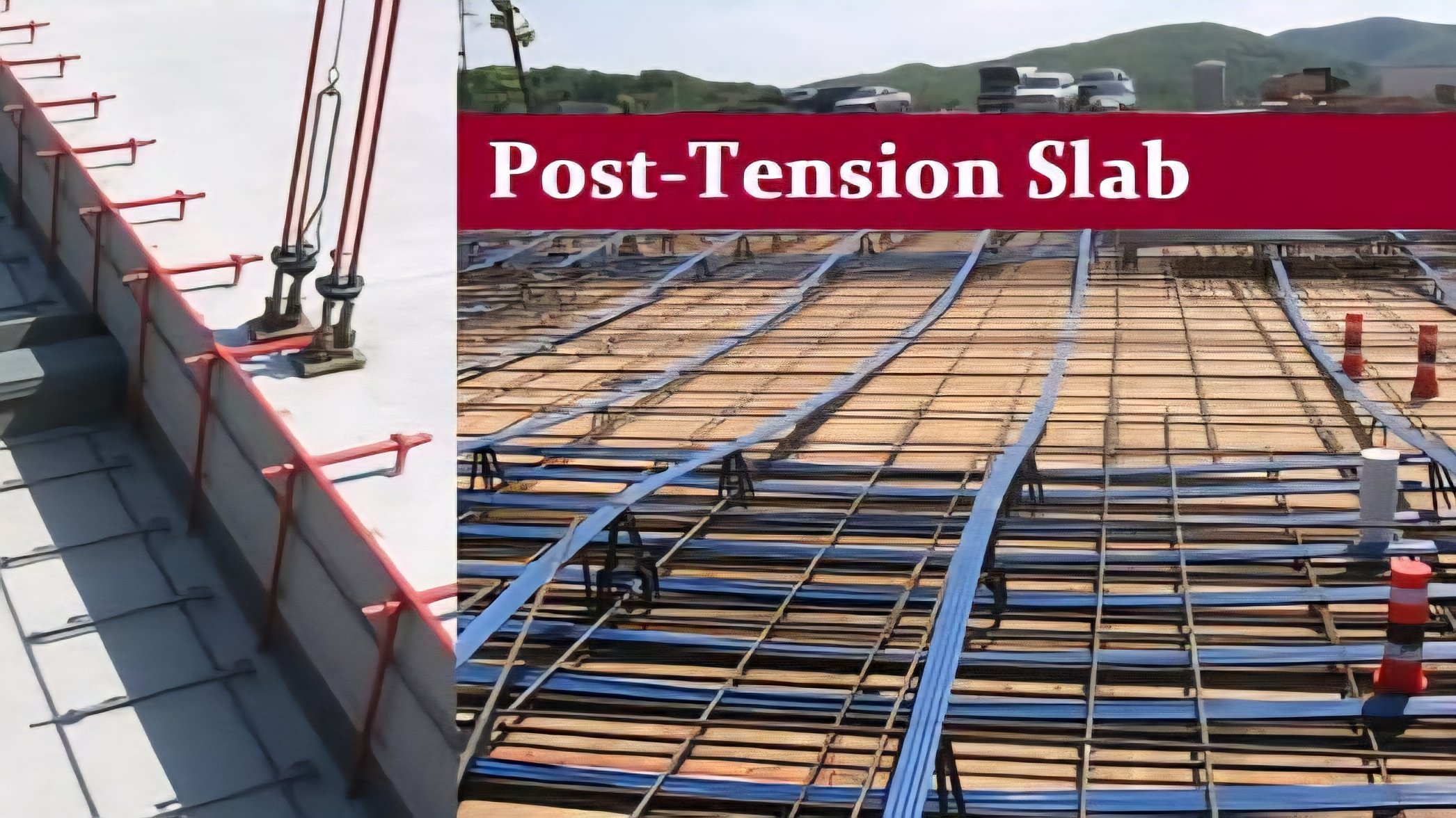
A post-tensioned slab incorporates high-strength steel tendons rather than just standard rebar. These tendons are laid out in a specific profile before the concrete is poured. Once the concrete has cured and gained sufficient compressive strength, the tendons are pulled to a specific tension and anchored at the edges.
This mechanical process places the entire concrete slab into a state of compression before it is ever subjected to service loads like furniture, machinery, or occupants. The result is a deck that is actively working against gravity, rather than simply sitting on its supports.
Engineers at The Civil Engineering Hub note that this change in internal physics allows for several advantages that traditional methods cannot match. One of the most immediate benefits is the ability to achieve much longer spans between supports.
In a typical office or residential layout, columns are often viewed as obstacles to interior design. By using post-tensioning, the distance between these columns can be stretched significantly, creating wide-open floor plans that are highly attractive to commercial tenants.
Because the slab is under constant compression, it can also be designed much thinner than a conventional reinforced concrete floor. A thinner slab reduces the overall weight of the structure, which in turn reduces the load on the foundation and the size of the columns required to support the building.
The efficiency of this system often leads to the complete removal of secondary beams. In many post-tensioned designs, the slab sits directly on the columns, a configuration known as a flat plate. This saves on formwork costs and reduces the floor-to-floor height of the building.
By saving a few inches on every floor, a developer might be able to add an entire extra story to a high-rise project without increasing the total height of the building. This optimization of vertical space is a key factor in the economic feasibility of dense urban developments.
However, the precision required for post-tensioning is higher than that of standard masonry or concrete work. The placement of the tendons and the timing of the tensioning process are critical to the structural integrity of the floor.
According to technical briefs from the sector, the primary reasons for this adoption include:
* Longer spans
* Thinner slabs
* Fewer beams
* Fewer columns
* More open and usable space
As land prices in Nairobi and other major hubs continue to rise, the pressure to maximize every square inch of a building becomes more intense. Post-tensioning provides a technical solution to these financial constraints, allowing for more efficient material use and more flexible interior layouts.
While traditional reinforced concrete remains the standard for smaller residential builds, the skyline is increasingly being shaped by these compressed systems. The move toward post-tensioning reflects a broader trend in the Kenyan industry toward adopting global best practices in structural efficiency and cost-management.
Comments (0)
Leave a Comment
No comments yet. Be the first to share your thoughts!